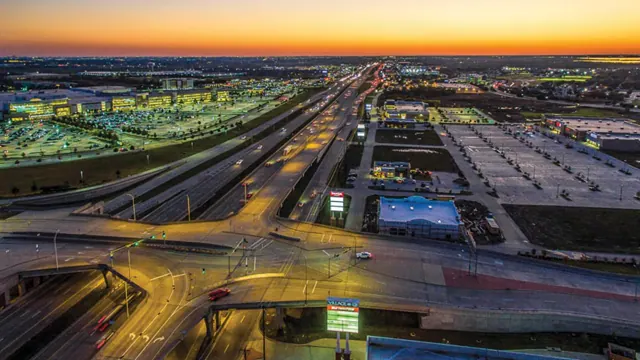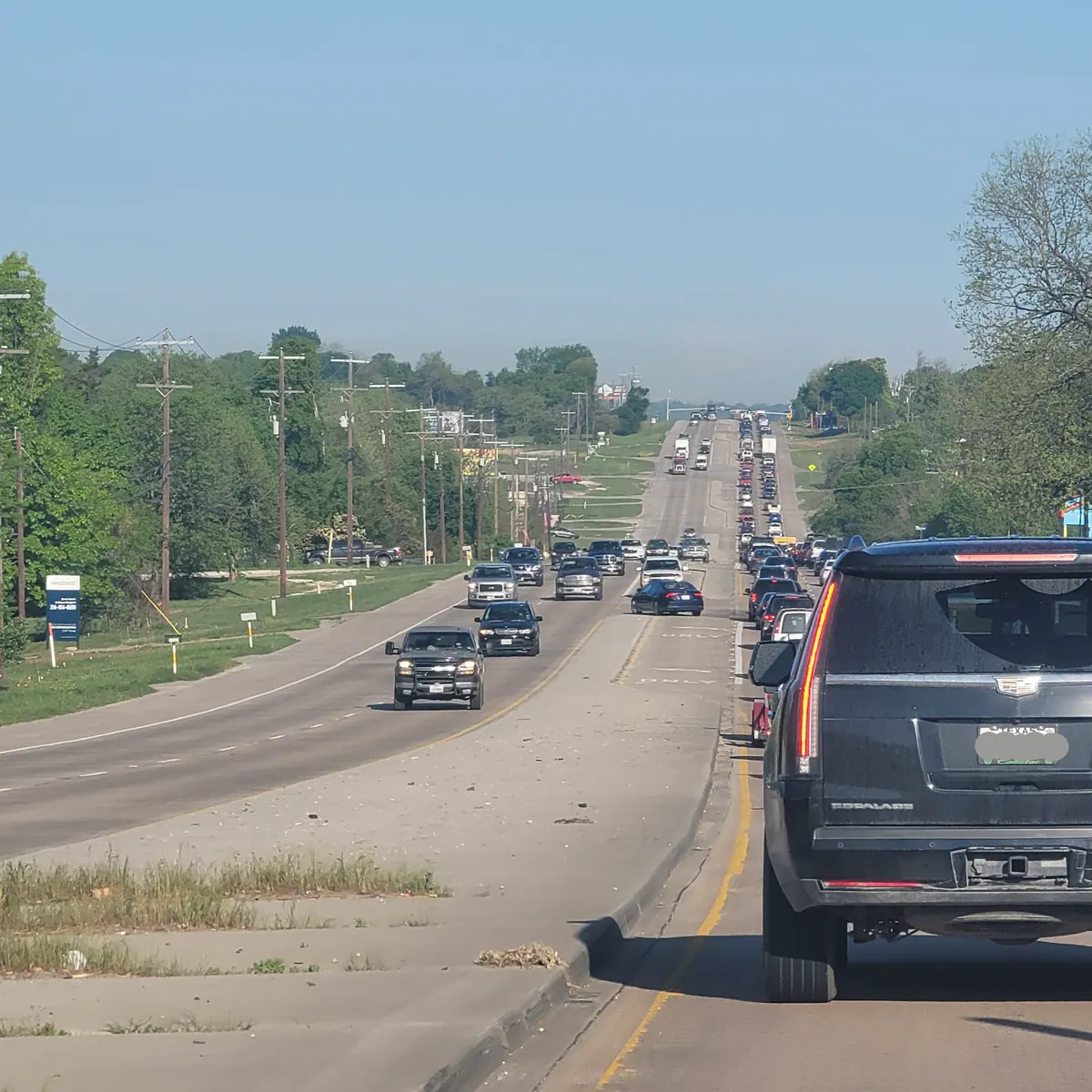




U.S. 380 feels like a contradiction.
Officials keep talking about improvement.
Drivers keep feeling worse.
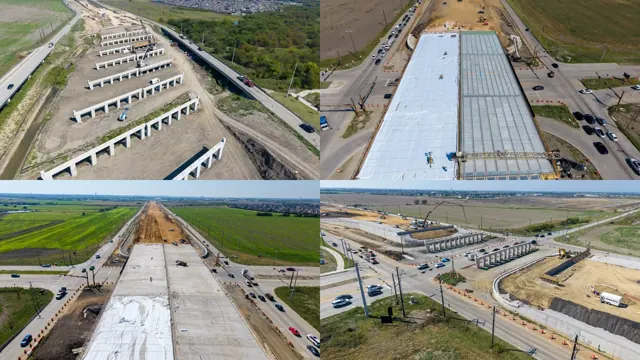
That is because the corridor is stuck between the old road and the future freeway. Growth is still arriving, traffic is still rising, work zones are still shifting lanes, land is still being acquired, and the long-term solution is still moving through government machinery.
The pain comes before the payoff.
That does not make the pain imaginary.
Quick Read
- U.S. 380 is carrying growth before the full freeway solution exists.
- TxDOT’s Princeton-area plan would create a controlled-access freeway and reconstruct existing segments.
- The Princeton-area project is roughly 11.8 miles from FM 1827 to CR 560.
- Construction, lane shifts, land acquisition, and design work can make daily driving feel worse in the short term.
- Growth from Princeton, McKinney, Prosper, Frisco, Farmersville, and eastern Collin County keeps adding demand.
- Residents should expect a long transition, not quick relief.
Growth Did Not Wait
The simplest reason 380 feels worse is that growth arrived first.
Homes went up. schools expanded. commercial projects followed. families moved farther east and north for affordability. commuters kept driving west for work, shopping, medical care, and daily errands.
The road became the release valve for every planning decision around it.
That is why widening alone never feels like enough.
By the time relief comes, demand has often already grown again.
That is why drivers feel like they are chasing a moving target.
Construction Creates Its Own Pain
Road work is supposed to fix congestion.
During construction, it creates new congestion.
Lane shifts, reduced speeds, work trucks, narrowed shoulders, construction entrances, detours, and driver confusion all add friction. Even a safer or better final design can make the temporary corridor feel chaotic.
Residents should not be gaslit about that.
The project can be necessary and still painful.
The Freeway Transition
TxDOT’s Princeton-area plan is far bigger than a small fix.
It includes new-location freeway north of Princeton, frontage roads, shared-use paths, and reconstruction of existing U.S. 380 segments.
The segment is roughly 11.8 miles long. Proposed right-of-way can reach hundreds of feet wide. That kind of project does not slide neatly into the background of daily life.
That kind of transition takes years because it changes how people access businesses, neighborhoods, side roads, and regional destinations.
Drivers want the final answer.
The corridor is still living through the draft.
Why Leaders Must Be Honest
Officials should stop selling relief as if it is just around the corner.
Residents can handle the truth: 380 may get worse in spots before it gets better, and some of the worst years may come while the region is building the thing everyone has been asking for.
That honesty matters because trust is already thin.
People who sit in traffic every day do not want a brochure. They want timing, maps, lane impacts, access changes, and straight answers.
Honesty will not clear the road tomorrow. It will at least stop insulting the people stuck on it today.
Bottom Line
U.S. 380 keeps getting worse because Collin County’s growth problem and infrastructure solution are colliding on the same pavement.
The freeway may be necessary.
The transition will still test every driver who depends on the corridor.
Sources: TxDOT U.S. 380 Princeton project page, City of Princeton U.S. 380 bypass page, Keep It Moving Dallas project page, Federal permitting dashboard for U.S. 380 improvements, and CCJ’s May land-sale report.