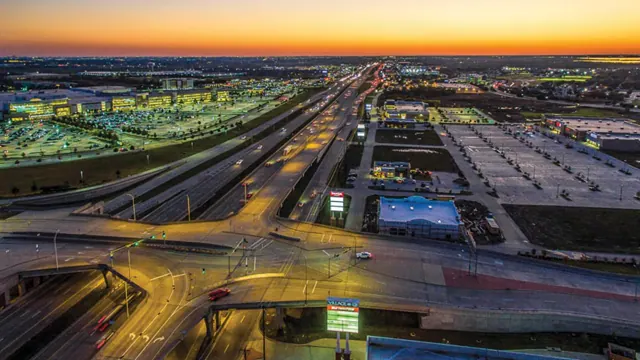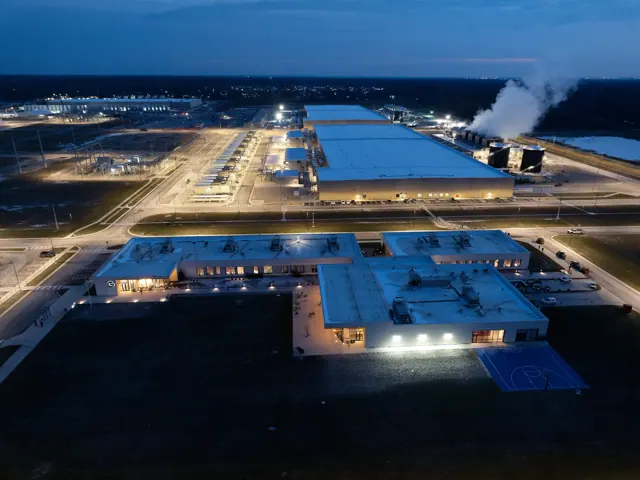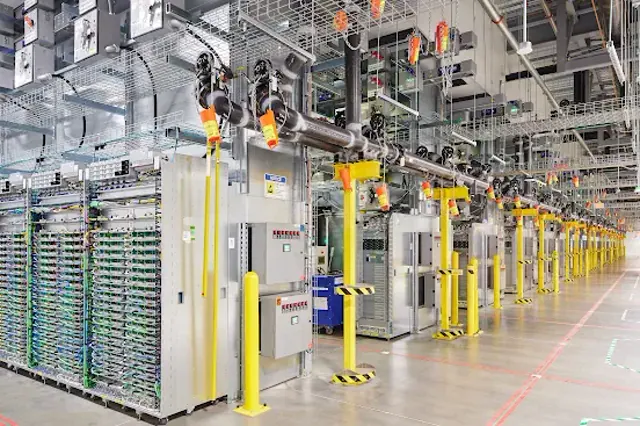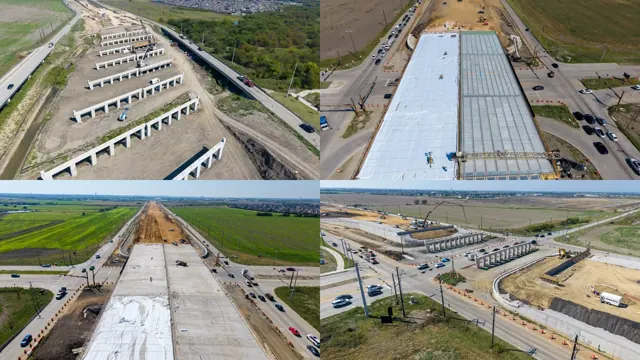




North Collin County is where the growth story still looks exciting.
South Collin County is where the growth story looks older, heavier, and harder to romanticize.
That contrast matters more after the newest Census numbers.
Celina ranked No. 1 in America for growth among cities over 20,000 people from July 2024 to July 2025. Princeton ranked No. 3. Melissa ranked No. 4. Anna ranked No. 5.
Four of the top five were in Collin County.
That is not a normal statistic.
That is a warning flare.
The exact numbers are even sharper: Celina grew 24.6% to 64,427 residents. Princeton grew 18.1% to 43,524. Melissa grew 14.5% to 29,969. Anna grew 10.2% to 35,245. Celina alone added 12,710 people in one year, more than Seattle and Houston did in the same Census table.
Celina, Princeton, Melissa, and Anna are where families are moving, rooftops are rising, and city leaders can still talk about the future like it is something clean and open.
But Plano, older Frisco, Richardson-adjacent corridors, and the mature suburbs show the next chapter.
Growth does not stay young forever.
Eventually the roads age. Buildings age. Commercial corridors need reinvestment. Redevelopment replaces greenfield development. Public safety costs mature. School districts change. Tax pressure gets harder to explain. The easy land is gone.
That is the warning.
Quick Read
- New Census estimates put Celina, Princeton, Melissa, and Anna among America’s fastest-growing cities.
- Celina added 12,710 residents in one year, landing at 64,427 people and No. 1 nationally by growth rate among cities over 20,000.
- Princeton hit 43,524 residents, Melissa hit 29,969, and Anna hit 35,245.
- North Collin County is now the county’s growth engine.
- Mature suburbs show what fast-growth cities eventually face: redevelopment, aging infrastructure, tax pressure, demographic change, and service costs.
- The smartest cities will study older suburbs before repeating their mistakes.
- Growth is not the trophy. The trophy is what survives after the boom.
The North Still Has The Shine
Fast-growth cities have energy.
New neighborhoods. New schools. New restaurants. New roads on planning maps. New residents. New money. New fights. New identity.
That energy is real.
It also hides problems.
A 24.6% growth rate sounds like a trophy until residents translate it into daily life: more cars at the same intersections, more children entering school systems, more patrol demand, more water demand, more trash routes, more utility planning, more medical access needs, and more families expecting city services immediately.
When everything is new, it is easy to confuse motion with direction. A city can be busy, popular, and full of construction while still failing to build the daily life residents thought they were buying.
That is the trap.
People move for a better life, then wake up surrounded by traffic, crowded schools, thin retail, unfinished roads, rising bills, and a city government constantly saying the fix is coming later.
Later becomes the local lifestyle.
The South Shows The Future
Older suburbs carry lessons that fast-growth cities often ignore.
Plano shows what happens when a city matures and has to manage redevelopment, aging commercial areas, infrastructure upkeep, public safety costs, and changing population patterns.
Frisco shows how success creates its own pressure: traffic, density fights, school shifts, cultural conflict, commercial intensity, and the constant need to keep the brand shiny.
Allen and McKinney show pieces of the same story.
Nobody gets to stay in the exciting phase forever.
That is the lesson.
North Collin County should not look south with arrogance.
It should look south with attention.
The Mistake Fast-Growth Cities Make
The mistake is thinking the boom is the goal.
It is not.
The boom is the test.
The goal is what remains after the boom: functioning roads, sustainable budgets, strong schools, safe neighborhoods, usable parks, real commercial base, trusted government, and a city identity that does not collapse under growth.
That is much harder than approving subdivisions.
Any city can cut ribbons.
The serious cities build the boring systems nobody celebrates until they fail.
The Question Every City Should Ask
Every fast-growing city in Collin County should ask one uncomfortable question.
What will residents hate about this place in 15 years if we get the next five years wrong?
That question changes everything.
It forces leaders to think beyond ribbon cuttings. It forces residents to look past cheap slogans. It forces developers to hear what daily life will feel like after the sale is done.
If Celina, Princeton, Melissa, and Anna ask that question now, they still have leverage.
If they wait until the roads are jammed, the budgets are swollen, and residents are angry, they will be studying Plano and Frisco too late.
The Countywide Moment
Collin County now has both sides of the suburban story.
The explosive edge and the mature center.
That gives the county an advantage if leaders are willing to learn. North Collin does not have to pretend nobody has done this before. South Collin is full of warnings, successes, mistakes, and lessons.
The growth engine is running north.
The warning is sitting south.
Smart cities will read both.
Sources: U.S. Census Bureau Vintage 2025 city population estimates release, City of Plano comprehensive planning materials, City of Frisco planning materials, and Collin County Journal reporting on Celina, Princeton, Melissa, and Anna growth.