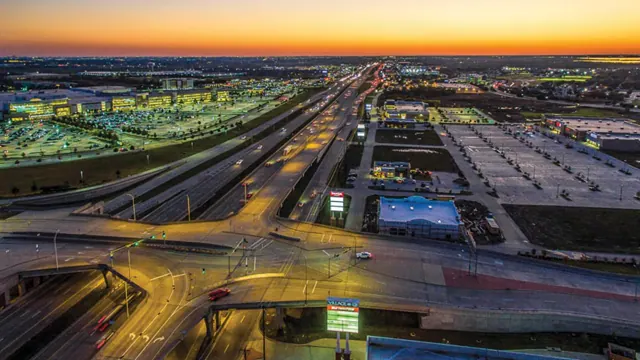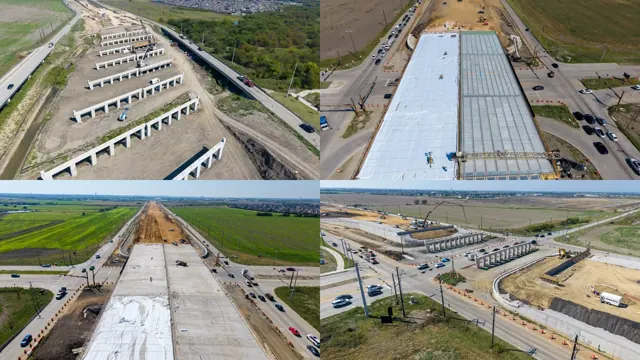




The data center fight will not hit every Collin County city the same way.
That is the part residents need to understand before the next “technology campus” shows up in an agenda packet.
Some cities already have the corporate base. Some have cheaper land. Some have power corridors. Some have industrial zoning. Some have leaders looking for tax base. Some have residents who will not realize what is happening until the deal is already wrapped in economic-development language.
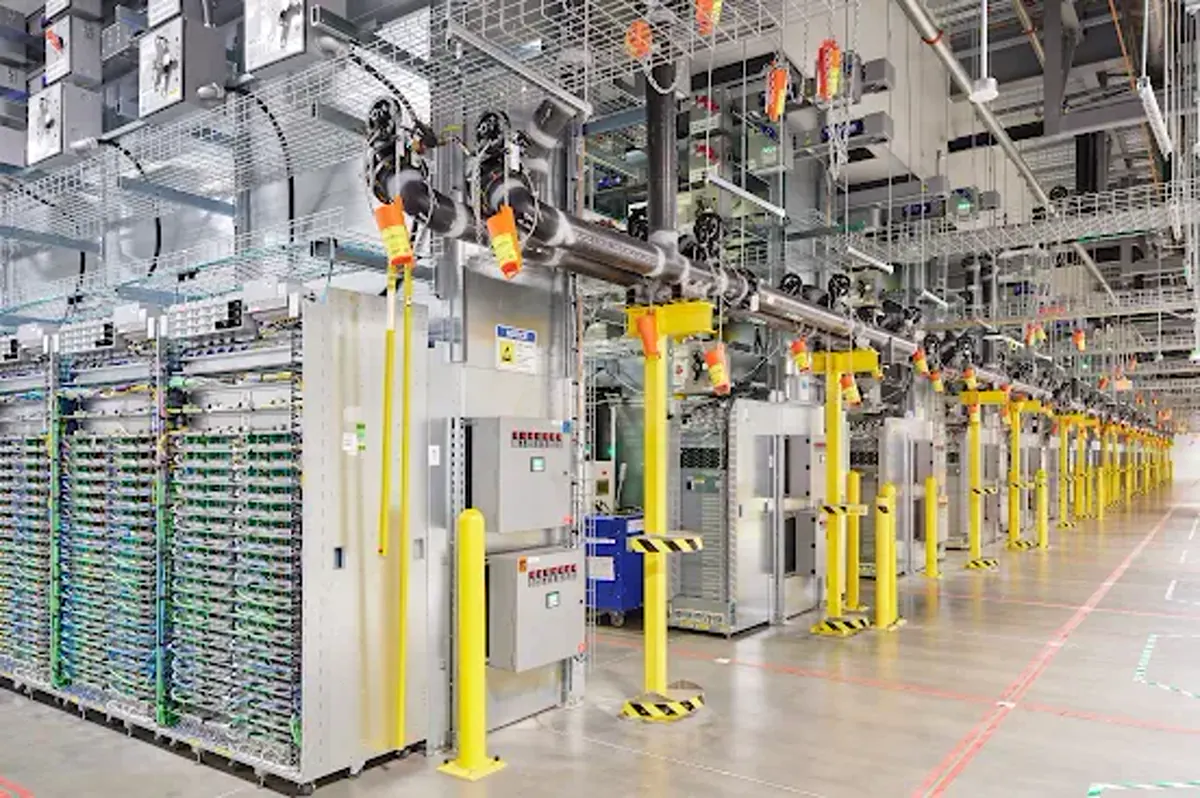
Data centers are not normal warehouses. They need enormous electricity, water strategy, fiber, road access, security, substations, transmission planning, and local permission.
The numbers prove the difference.
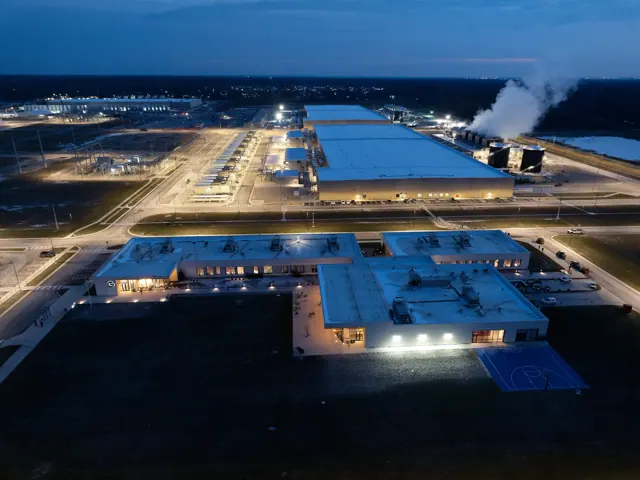
Plano’s reported Aligned / Lambda project is not a little server room. It has been reported as a 425,000-square-foot, two-story project at 601 N. Star Road, with a $700 million price tag and 72 megawatts of planned computing power.
That is the scale residents should picture when a future agenda item says “technology campus.”
Collin County is already on the map.
The fight now is over exposure: which cities are most likely to get the next pitch, and whether residents will get to see the tradeoffs before someone calls the project progress.
Quick Read
- Plano already has a major AI data center project moving forward.
- Allen has existing data center activity tied to CyrusOne.
- ERCOT’s latest planning materials show large-load demand is now one of the biggest issues facing the Texas grid.
- EIA has warned that ERCOT could see some of the strongest electricity-price pressure under high data-center demand.
- Texas’ data-center tax exemption program starts at 100,000 square feet, 20 county jobs, and $200 million in investment; the large-project tier starts at 250,000 square feet, 40 county jobs, $500 million, and at least 20 MW of transmission capacity.
- Frisco, McKinney, Prosper, Celina, Anna, Melissa, and Princeton should watch zoning, substations, incentive language, and utility upgrades.
- The risk is bigger than one building. It is the public cost of power, water, land, and secrecy.
Highest Exposure: Plano And Allen
Plano is already in the game.
The reported $700 million AI data center project at 601 N. Star Road is the clearest signal that Collin County is not watching this from the outside. A project that large changes how residents should read every future data-center conversation in the county.
Seventy-two megawatts is not neighborhood-scale demand. It is the kind of number that belongs in the same conversation as substations, transmission, backup generation, and grid planning.
Allen matters too.
Allen has data center activity tied to CyrusOne. Once a corridor has a serious data-center footprint, it becomes easier for similar users, power planners, brokers, and local officials to imagine more.
That is how these clusters form.
First one project proves the area can carry the use. Then the next pitch arrives with a cleaner slide deck.
Frisco And McKinney Should Watch The Language
Frisco and McKinney have money, land pressure, regional access, public ambition, and enough political confidence to chase big projects.
That combination should make residents alert.
Data centers can sound attractive to officials because they bring investment without adding thousands of students to the school district. That sales pitch is powerful in fast-growing cities already tired of rooftops.
But residents still have to ask the harder questions.
How much power? How much water? How many permanent jobs? What tax treatment? What backup generation? What noise? What transmission upgrades? What happens during a grid emergency? What does this do to nearby land?
If leaders cannot answer those questions clearly, the project is moving faster than public trust.
The Next Wave: Prosper, Celina, Anna, Melissa, Princeton
The northern and eastern growth cities may not look like data center hubs yet.
That is exactly why residents should pay attention now.
These cities have land, future road projects, utility expansion, fast population growth, and leaders hunting for a commercial tax base that can ease the pain of residential growth.
That is the opening.
A company does not need a downtown skyline. It needs power, land, connectivity, water planning, and a city willing to say yes.
Celina, Anna, Melissa, Prosper, and Princeton should watch for industrial rezoning, substation talk, transmission upgrades, large-load language, closed-session economic-development items, and project names that sound intentionally vague.
The first warning may not say “data center.”
It may say “mission critical facility,” “cloud infrastructure,” “technology campus,” “high-tech industrial,” or “confidential project.”
That is how residents miss it.
The Public Cost
Data centers can bring real investment.
They can also expose the weakness in local government: officials love announcing large capital projects, but the public often gets a thinner explanation of costs, grid stress, water use, incentives, and long-term fit.
ERCOT has already warned that large-load demand is reshaping grid planning. Its preliminary 2026-2032 load forecast projected about 367,790 MW of demand by 2032 as a planning snapshot, explicitly including large-load types such as data centers, crypto mining, industrial demand, and oil and gas processes.
EIA has modeled data-center demand as a serious electricity-price issue, with ERCOT among the regions most exposed in a high-growth scenario. In that scenario, EIA said ERCOT’s 2027 wholesale price averaged $37 per MWh, or 79%, above the February forecast.
That is the phrase residents should remember: 79% above forecast.
Now put that next to a local project with 72 MW of planned capacity and ask whether city hall should treat the next one as routine.
That does not mean every data center is bad.
It means every data center should be treated like a major public-interest decision, not a private trophy for city hall.
Bottom Line
Collin County is exposed because Texas is exposed.
AI needs power. Data centers need land. Local governments want investment. Residents want lower taxes, reliable electricity, water security, and daily life that still works.
Those goals can collide fast.
Plano and Allen show the county is already inside the market. Frisco and McKinney show where the political ambition sits. Prosper, Celina, Anna, Melissa, and Princeton show where land and growth pressure could make the next pitch attractive.
The cities that tell residents the truth early will have a chance to control the future.
The cities that hide behind economic-development language will teach residents to distrust every agenda packet that comes after.
Sources: CRE Market Beat on the Plano AI data center project, Interconnection.fyi CyrusOne Allen tracker, ERCOT preliminary long-term load forecast release, EIA data-center electricity demand analysis, Greenberg Traurig on proposed SB 6 interconnection standards, and Texas Comptroller data center tax exemption rules.