



Collin County did not just show up on another growth list.
It swallowed the list.
The U.S. Census Bureau’s new city population estimates put Celina, Princeton, Melissa, and Anna inside the national top five fastest-growing cities with populations over 20,000. Celina was No. 1. Princeton was No. 3. Melissa was No. 4. Anna was No. 5.
That is not normal growth.
That is a regional transformation happening in real time.
The easy version of the story is civic pride. City leaders can post the ranking, celebrate the momentum, and talk about opportunity. Businesses can see rooftops. Developers can see land. Families can see newer houses and a shot at the North Texas life they were priced out of somewhere else.
But residents know the other version.
Traffic is not a slogan. Water is not a ribbon cutting. Police response is not a marketing bullet. Schools are not magically built because a subdivision opens. Roads do not widen because a city wins a Census headline.
Growth creates money.
Growth also creates a bill.
Quick Read
- Celina, Princeton, Melissa, and Anna ranked in the national top five fastest-growing cities over 20,000 residents in the latest Census estimates.
- The story is bigger than population. It is roads, schools, water, taxes, police, fire, downtowns, and daily quality of life.
- North Collin County is becoming one of America’s clearest tests of whether fast-growth suburbs can keep up with themselves.
- Residents should watch budgets, bond packages, road projects, water capacity, school construction, public safety staffing, and development approvals.
The Growth Belt Is Here
For years, people talked about Collin County growth like it was coming.
It is not coming anymore.
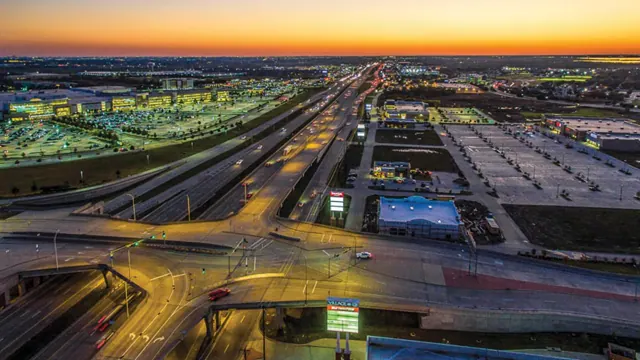
It is here, sitting in traffic, filling classrooms, changing council agendas, pushing bond conversations, and forcing cities to make decisions they used to be able to avoid.
Celina is the cleanest example because No. 1 in America is impossible to ignore. But Princeton, Melissa, and Anna make the story bigger. This is not one boomtown. This is a belt.
That belt runs through northern and eastern Collin County, where land was still available, families were still moving, developers still saw room, and older suburbs had already taught the market what comes next.
The same pattern keeps repeating.
First come rooftops.
Then come traffic complaints.
Then come school crowding, police staffing, fire stations, water questions, road bonds, commercial demand, downtown identity fights, and the slow realization that “growth” was never one issue.
It was all issues at once.
The Part Residents Feel First
Residents do not experience growth as a percentage.
They experience it when a two-lane road stops working.
They experience it when a school boundary changes, a tax bill rises, a grocery store still feels too far away, a doctor’s appointment means driving to another city, or a council agenda has another zoning item that sounds small until the traffic shows up later.
That is why the Census headline matters. It confirms what residents already feel.
North Collin County is no longer a quiet edge of the metroplex. It is becoming one of the main places where the future of suburban Texas is being tested.
The question is whether the cities can build daily life as fast as they approve places to live.
The Next Fight
The next fight is not whether growth is good or bad.
That argument is too old and too lazy.
The real fight is whether growth is disciplined.
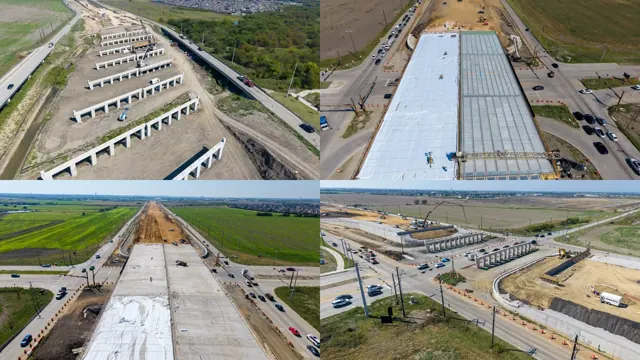
Does the city get roads before neighborhoods are trapped behind bottlenecks? Does water planning stay ahead of demand? Do public safety budgets match the population? Do schools know what is coming? Do commercial projects create enough local sales tax and local jobs? Do residents get answers before decisions are already made?
That is where the next few years will be decided.
Not in a Census press release.
In budgets. In agenda packets. In bond elections. In road timelines. In tax rates. In water plans. In school construction. In the difference between a city that grows and a city that gets run over by its own growth.
Collin County now has four of America’s fastest-growing cities.
That is the headline.
The bill is coming next.
Sources: U.S. Census Bureau Vintage 2025 city population estimates, Associated Press reporting on the 2025 city estimates, Texas Tribune reporting on Texas city growth, and city planning and agenda materials from Celina, Princeton, Melissa, and Anna.