



Princeton’s dirtiest little election issue is not a road.
It is trust.
People do not just complain because traffic is bad or growth is fast. They complain because they feel like decisions happen in a language normal residents are not meant to understand.
Budget buckets. development terms. public information requests. staff reports. legal limits. agendas. incentives. timelines.
City Hall can publish a document and still leave people feeling shut out.
That is why the Place 4 runoff matters.
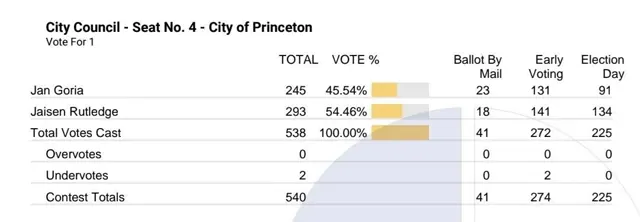
Jan Goria and Jaisen Rutledge both know the trust problem is real.
They just want to attack it in completely different ways.
Quick Read
- Goria’s trust pitch is resident-centered: make the city easier to understand and pull people back into community life.
- Rutledge’s trust pitch is systems-centered: track requests, publish metrics, review departments, and make projects visible.
- Both candidates know residents feel disconnected from City Hall.
- The runoff asks whether voters want human connection or process discipline as the first repair.
- This issue affects budgets, development, public records, and whether residents believe the city is working with them.
Jan’s Trust Fix
Goria talks about transparency like someone looking at it from the outside.
She said the budget has useful information online, but regular residents can still struggle to understand what all the funds and categories actually mean.
That is the point.
Transparency that people cannot understand is not enough.
She also wants the city website to do more than post official information. She talked about clubs, community meetings, residents helping residents, volunteer opportunities, and ways to make people feel connected to the city again.
That may sound small until you realize distrust grows fastest when people only meet government through frustration.
Jaisen’s Trust Fix
Rutledge wants the city to stop relying on fog.
His public information request answer was the clearest example. He wants levels, timelines, expectations, tracking, and accountability so residents know what is happening instead of guessing.
He also talked about department reviews, written processes, performance indicators, project tracking, and resident-facing dashboards.
That is the adult version of “show your work.”
If a project is delayed, show it.
If a request is aging, show it.
If staff is meeting standards, show it.
If the city set a goal, measure it.
Why This Is Explosive
Trust is the issue that makes every other issue worse.
Bad road plus trust equals patience.
A bad road plus distrust becomes more than a traffic complaint.
Budget confusion plus trust equals questions.
Budget confusion plus distrust equals suspicion.
Growth plus trust equals planning.
Growth plus distrust makes residents doubt the process before the meeting even starts.
That is why the next Place 4 council member matters.
They can either lower the temperature or make it worse.
The Real Contrast
Goria is saying City Hall has to feel more human.
Rutledge is saying City Hall has to be more measurable.
Both are right in different ways.
But voters only get one seat.
That means they are choosing which kind of trust repair they want louder at the table.
Bottom Line
Princeton’s trust problem is not going away after Election Day.
The only question is who voters want asking the next hard question.
The fresh voice?
Or the process candidate?
Sources: CCJ’s full Jan Goria and Jaisen Rutledge runoff interview feature, City of Princeton elections page, and Collin County election results page.