Start Here: Jaisen’s Full Runoff Interview
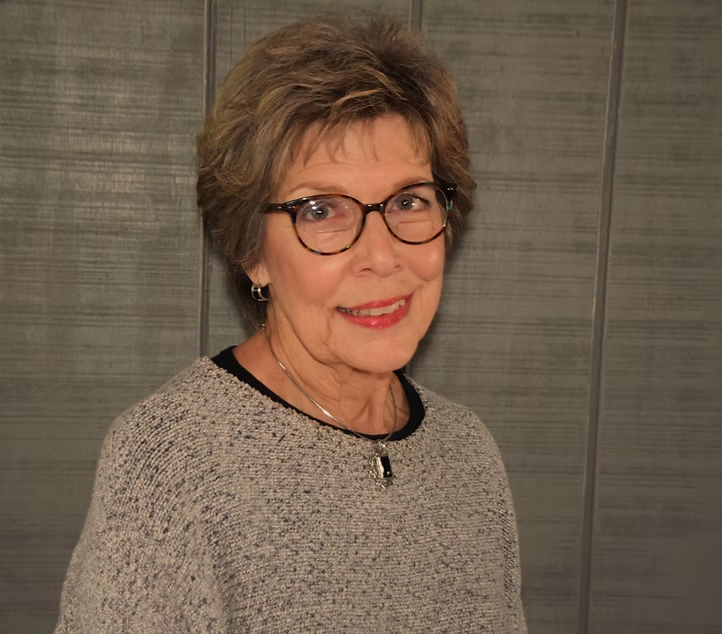
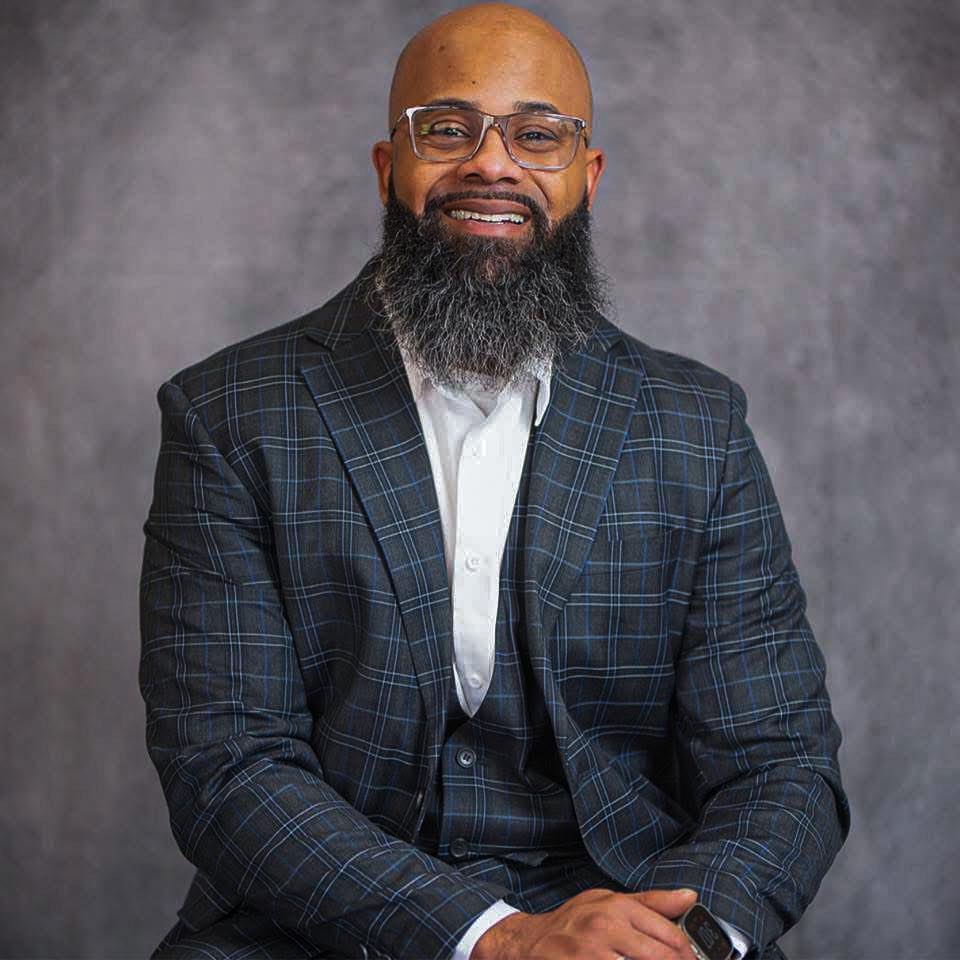
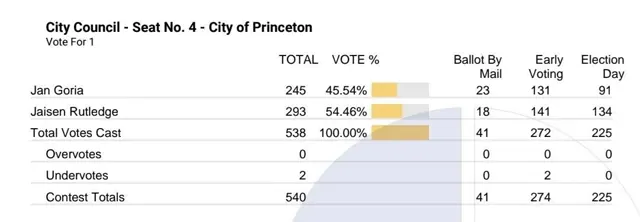
Hi, everyone. This is Christian with Collin County Journal, and today I'm speaking with Jaisen Rutledge, a candidate for Princeton City Council, Place 4 ahead of the June 13 runoff election. Jaisen has recently participated in the Princeton candidate forum, where he discussed his city experience, growth, public safety, transparency, economic development, and how he believes Princeton should operate moving forward.
And so today's conversation is intended to go deeper and clarify his positions and also help voters understand what they could expect if they elect him. And so Jaisen, thank you for joining me. We'll move on to the first question. Before we discuss policies and city operations, many voters may recognize your name, but still not know you personally. And so I ask you, who is Jaisen Rutledge outside of committees, meetings and city government? Yeah, I mean, thank you for that question.
I think, you know, I'm a, I'm a father of three boys. I have one that's in college wrapping up. Actually, one, one last semester will be done at UTD. I have one that goes to person high school runs track. He's doing phenomenally prepared problem. He's going to a senior year next year that I have my youngest son. He's 10 to be turning 11 around October of this year. And, you know, he's, you know, trying to keep up with his brothers, you know, with all these athletics and academically as well.
So, but in addition to that, you know, my husband, I've been with my wife since middle school. We have the same exact birthday. We met in middle school. We've dated and got married and, you know, I've been together ever since. So, but, you know, in addition to that, I'm a, I'm a gamer, you know, I have three boys, so kind of hard to get out of the video game life. I enjoy, you know, using that as an, as an excuse to be able to get away and spend some time with them and, you know, I try to stay active.
As much as possible, obviously father time is undefeated, but I like to play basketball, not as good as I used to, but I try to still be involved in that capacity and coach here and there and just kind of be involved. You know, wherever I can. But I think, you know, outside of local government perspective, if people kind of do their, their own digging, they'll see that I've kind of been a person that enjoys serving the city.
I've had a nonprofit, I've given away backpacks and shoes and school supplies and when COVID happened, we gave away some PCs to some families that needed them to be able to allow their kids to be able to do homework from home. I grew up, you know, I'm not having a whole lot. And so, I think, honestly, it's kind of a thing, you know, I'm helping that, that version of me, right. That didn't have a lot. So that's why you kind of find me in these capacities where I like to be a service to other people.
So, yeah, that's, that's me kind of ultimately in a nutshell without going too far into it. That's really beautiful, man. That gives voters a better understanding of the person behind the campaign. And so let's talk about what led you into public service.
Why He Says Council Is The Necessary Next Step
You've already served Princeton through the CDC and the Home Rule Charter Committee. And what made you decide that serving on city council was the necessary next step. You know, I think there's, there's a lot of, you know, various inputs that kind of pushed me towards this direction. Obviously being involved at those different capacities and the CDC with the Home Rule Charter Committee, you start to kind of get closer lens to how the city runs. And, you know, I started looking at, you know, where there was opportunities.
And honestly, with my background and what I do for, for, you know, my professional career. I look at, you know, gaps in processes is what I do all day long. Right. And my job is to then write policies that are setting requirements to ensure those gaps are closed. And then I work with the specific divisional heads, you know, leaders to operationalize those, those, you know, those expectations. So, and I think that that's one of the key pieces that is kind of missing right now.
And in addition to that, you know, there's, you know, opportunity for us to kind of be a little more intentional with some of the things that we've been doing from a city perspective. I do feel like there's been some decisions that have been made in the past that probably could have been done with a little more foresight. And, you know, some stronger planning. But at the same time, I have to be honest, I've learned through this process that, you know, it's easy outside looking in. And having these judgments.
But once you get closer to these things, you start talking to the staff, you start talking to, you know, legal counsel, you start talking to all of these people have all these expertise and experiences. You start to learn that's a lot more complicated than what it looks like from the outside looking in. And you start to appreciate that. And, but it takes that, that, that external knowledge, but also having the lens to the specifics, you know, and understanding them.
To be able to kind of break bridge that, you know, the difference between where we probably could be and where we are now. And that's what I'm hoping to, to bring to, to the table with, you know, coming on board if elected into the role. Yeah, your city experience is one of the clearest differences between you and Jan Goria. So that brings me to my next question. You argue that your experience means you can begin working immediately.
Can He Challenge City Hall From Inside The System?
And some residents may wonder whether existing city hall relationships could make someone less willing to challenge the system. And so how would you respond to that? I would say, go and check why I'm no longer on the CDC. I was, you know, just for transparency, I was very close with the previous administration. You know, some of the people that, you know, that were in that role in the position, you know, on council were friends.
And, you know, I would be willing to say, like, if you were to go and talk to someone, they would tell you know, Jaisen has no problem challenging you. And so much so there's video evidence of calls of like, you know, meetings, council meetings. We had a council meeting where two boards in the council all met and you could see me standing at the podium challenging the council. And it's part of the reason why I lost my, I was asked to resign from being the chair of the CDC, because I had no issue challenging it.
And, you know, I understand that's the perspective that is being pushed by certain individuals and that's creating that narrative. But, you know, there's just too much evidence out there. If you really look for it, you know, the second meeting that Home Rule Charter committee meeting. The mayor said he didn't want the responsibility of doing, you know, and I can't remember exactly what it was. You could probably go back and look into it.
But, you know, my immediate response was like, this committee is put in place to make the recommendations. If it makes it from there to the, you know, to the council and council approves it and makes it to the ballot and the residents approve it. It's the role. And at that point, you have to determine if you still want to do the role or not, you know, appreciate your input, but we're still going to make that decision. We're going to make the recommendation based off of what we feel like makes sense for a person as a whole.
So, you know, I have, I have no issues challenging anyone, you know, regarding of what the relationships or the interactions I've had with them. I think actually puts me in a position to understand those individuals and be able to challenge them. And they know that I'm going to do it in a manner to where we don't have to create a full circus show. We don't have to do all the back and forth. Ultimately, at the end of the day, there's seven individuals up there and your vote will speak, right.
And I think there's so much that can be said for a lot of the kind of influence or the co-hursing or trying to persuade individuals. But at the end of the day, you know, you're going to vote based off of what you believe. And, you know, that I think is ultimately where, you know, your voice is going to make the most make the most sense and make the most impact. So, yeah, I don't know. I don't know what else I can say about that.
I think it's, it's gotten to the points where it's very humorous to me because I feel like I have a strong track record of disagreeing publicly with people that are in positions of authority. Or that I've had, you know, friendships relationships with, but still they even maintain it. And I don't know if it's that they want to see something other than that, but that's that's not my style. I disagree. I don't have to go back and forth. And then I'll vote. So hopefully that answers that question. Yeah, 100%.
That question matters because, you know, residents want both competence and independence.
Three Changes Residents Could Notice In Six Months
During the forum, you frequently discussed processes, frameworks, technology reviews and tracking. And so my question to you would be, what are three specific changes that residents would actually notice during your first six months, if elected. Yeah, I would say the first one would probably be, I would heavily lean on, you know, some of the opportunities we have when it comes to the way they were communicating around expectations for public information requests. It's just, it's just been, I brought it up before.
It's just something I see that comes up as a hot topic. I think that one seems like a process that's a simpler fix. I know that there's parameters that are, that are in place that we know that depending on the, the type of request, you know, we can fill immediately. If it's, if it's a different type of request, it may require legal oversight or have legal counsel review and approve.
And then there's, you know, other types of requests that require us to kind of push further down to, you know, maybe like the attorney general so on and so forth to get like, you know, the approval to be able to release the information. We have the criteria, if you will, kind of laid out to understand what kind of makes sense and what doesn't make sense.
What we could probably do a better job without doing is ensuring that the public is aware, like, hey, let me, let me tell you the things that, you know, are going to go from a level one to a level two to a level three. And here's the SLA for one, two or three, right. And then let's, let's set expectations around like, if you submit this, then you should expect to turn around and around this amount of time. And then let's ensure that we're hearing to that.
And when I say hearing to it, then, you know, in my role, we have key performance indicators, their metrics, and we're going to review that we're going to see if we hold, we're going to hold ourselves accountable to meeting those metrics because we set this expectation publicly. I think that's one simple fix that we can do it again. And I say this, you know, with the preference of, I'm on council 107 right so I can't immediately direct staff to do anything on my own.
I'm one vote of seven votes, but that's an area that I would put focus in. I think in addition to that, TxDOT the roads and infrastructure. I really feel like we can be intentional about. And I would love to be the liaison. I like to show up and Laura across crossing enemies have a council meetings, you know, just kind of attend and then start to build those relationships. Start the relationship from Kennedy start to build relationships with farms, you know, all the cities that are touching our borders.
So we have communication as to what we're all doing, and the things that are going to impact our cities from a traffic standpoint from a roads and infrastructure standpoint. There's a lot of opportunity for us to not just how the same way we look at how we're going to partner with, you know, the ISD on certain things if we just have open communication, we can probably better suit each of our specific areas. The cities that we represent by ensuring that we're talking through what the changes are and what's coming.
And then specifically with TxDOT, you know, I think there needs to be a voice in the room that needs to be someone that's in constant communication to, you know, ensure that we're providing them with all the information that they need as they're going the process of the projects that they're on, but also communicating back to them, the pain points and the issues that we're running into and trying to be that voice that kind of persuades the direction that's going to be beneficial to the city of Princeton. So that's that's number two.
And I see that the last one would probably be really putting an emphasis and focus on looking at where we sit from a staff perspective, not just budgetary, right? We talked a little about in the candidate form, you know, the police department and it's kind of getting right, right, fitted from a staffing perspective.
But in addition to that, I think there's an opportunity for us to really look at, you know, Princeton residents have been very clear that they want to have people who work in Princeton, like our city manager and our high level directors to be living in Princeton and we do have staff that already live here. But, you know, there's complaints about the level of performance and so on and so forth. So part of that's the transparency aspect of the part of its continuous education. We started as a small town and we rapidly grew.
And some of these people have been here since then. If we actually been investing in sure that they can develop along with the pace of the city. So I'd like to see us be intentional about that. And not just from a staff perspective, this is expound into our boards as well. There's the required toma, you know, the public information act, you know, things like that are required for you to be able to join a board. But there's other things that are out there that are beneficial to ensuring we have competent people that are on the board.
They said, I got the time. I want to join. I want to serve. But let's now put some requirements on. Hey, we love that you want to serve, but you also need to go to this conference so you can have these relationships, these connections, this learning, this experience so on and so forth. Because it's beneficial to helping you be more beneficial, more impactful your role. So hopefully that kind of gives you a good idea of like the areas that I would see myself being impactful for impactful in the first six months.
The Processes He Says Are Failing Residents
That makes the operational side of your campaign much more concrete. You've spent time working within city related organizations, which Princeton processes are currently failing residents. And why have they not already been fixed? Well, I think, you know, obviously the one I mentioned earlier is probably again, I'll use that as an example, the public information request PR is just a pain point, you know, and I feel like this thing goes in waves. You know, you hear about it and then dies down, you feel like things are going well.
And I think part of it is part of it is a staffing thing. Part of it is, you know, just having the resources, having the right people with the right experience to be able to manage it. And it is also having, you know, when you have those requests that require legal oversight, if you have experienced legal counsel, which is one of the issues we've dealt with recently, then you're going to get quicker responses. You're going to get the information you need to be able to move on provide provide the details back in the request.
So it's a staffing issue. It's kind of ensuring that we have the right oversight. And in addition to that, I think that there's some opportunity for us to be able to look at, you know, efficiency gains through automating, you know, tools. I know that there is times where, you know, requests go in and they're flooded with them and it's hard to keep up with the tracking and where things are and so and so forth.
And I know that we have an opportunity to look at how we're actually utilizing technology to be able to create a workflow, like a process where you have, you know, a repository of. Request and it's telling you which one's age, which one's not, which one's next in queue, you know, which one that needs to have a check from this department from that department and so on and so forth. Like these types of things just make things cleaner and make it easier for you to get things through the process. A lot, a lot faster outside of that.
I would say there's absolutely opportunity when it comes to receiving public input. I've seen tools that are used from municipal, municipal spaces that allow for a resident to go online and be able to provide, you know, their specific input to a specific issue. Like if we're thinking about bringing in a new development and we want to have a poll, we can have that built into our website and we can gather that information and get all the details.
Now I've seen the polls go out and email so and so forth, but the, I think the difference in these tools I've seen is they have test specifically to that specific project. And so you can see kind of a ultimately a grade of residents a grade from a staffing perspective right you may have your EDC director that gives his grade based off of the, the checkpoints that he's looking at.
And then it also the tool itself has, when you input the information around whatever the development potential development is, it will also because it's pulling from all these different, you know, previous developments that have been successful. It's going to give you a grade as well and say, Hey, this is, you know, according to what we've seen the last time something like this was built, it benefited and provided this type of a return on investment, this type of impact to residents, so on and so forth.
So I think we could look into these like that to be able to implement into prison out these, these, these things aren't going to be within six months, these things take time. But I do feel like I would be able to come in and help and lay the foundation work with staff to get these types of things implemented.
How He Would Hold Staff And Council Accountable
And that actually does lead directly into accountability. It begs the question of, how would you hold city management staff and fellow council members accountable without damaging the working relationships needed to get things done. Yeah, yeah, I think that's a, that's a wonderful question. So let me start with, with staff. So obviously, I think, you know, with your input insight and I know that you've been kind of watching.
You know, how things are transparent, not just within principal within calling counting, you have a good understanding of how the city works right so you have your, your city council right there simply like the board of directors, you have your city managers like the CEO of the company and they have your staff. You know, your department heads, right, parks and wrecks, you know, you know, courts, whatever the case would be, you know, all these different areas, they have their own verticals and they have staff that reports to them.
Well, I like to see happen is I would love for us to be able to review comprehensively. Not just like I know the city has this comprehensive plan, which is like the strategy where our numbers are going. I want to see from a process standpoint, where things sit comprehensively. What are the processes that we haven't placed? Are we just doing things off of tribal knowledge? Is it just because this person has experience in this area and this is how they've always done it.
Is there any written documentation that says if we, if we bring someone else in new, we promote you and this person is now going to do your job, they have a clear framework as to what they should be doing what the job looks like. And are we reviewing these things to ensure that they're growing with the pace of our city. I would love to come in and just comb through what that looks like for the higher city and then start to build the foundation. Now, how this is going to work is council should not be expected to direct staff.
It doesn't mean that council shouldn't have, you know, an opportunity to be able to have input from staff and receive feedback and things like that. But the city manager is the person that runs the city, they're nine to five, you know, outside of, you know, the council meetings and the required, you know, additional inputs that they have to have. Like these people volunteers, you know, we all volunteers and we have our own nine to fives. We can't be there all day long to ensure these things are happening.
And that's why we have to depend on the city manager. So I would like to see council create the framework as to here's how we'd like to see vertical by vertical. Let's start with one. Let's start the parks and rec department. Let's say we like to see that this, this is built out the framework for how this functions. And we give them key specific areas metrics, things that we've recognized by reviewing the processes that are there. And then once we feel like our gaps and we set that framework. And now we push that on the city manager.
Okay, now go get with that, with that department head, go with it, go with, go with chase Brian. And I need to, I need you to come back to us and three less time and show us how you put these gaps. And then we can give you a thumbs up. Feel good about it. And then we move on to the next vertical. We do that over and over again till we feel good. And then we set an expectation for consistent review. And my company, there is a annual review process that happens for our employees, but we don't just do it for the individual.
We also do it for the vertical he oversees. So you review those things to ensure that they're still keeping up with the pace of the company, or in this case would be of the city. And so I think that would specifically fix from a city staff perspective, because what you now have is clear expectations as to what each department head and their staff should be doing. And then now you can, as a department head, say, okay, we have expectations outline staff member you're, you're doing a great job or hey, we have some concerns.
Is there coaching and development needs to happen? Is this a will or is this a skill issue? And it helps you more clearly identify the bad actors versus the people who just need the extra development, right? And before the past we've had situations of like, why do we fire this person? Why do they let this person go? This person feels like they're being targeted. No, now we have clear performance indicators to say, you're doing a great job or you're not doing a great job.
And then when you're not doing a great job, we can go back and say, here's coaching conversation one. We gave you this training to do. We actually do this thing. You didn't do this. Right now we can clearly identify that it's not a skill issue. It's a will issue. We've tried to give you the opportunity to decide not to take advantage of them. And so therefore we should feel good about releasing that relationship and letting that person move on. So from a staff perspective, I think that's how that works.
Now, from a council perspective, I think the key piece here is going to be that each council member has should be responsible to the residents should understand that they are responsible to the residents. For me, I feel like there's a key piece to going through and identifying like, Hey, I want to keep a track of my voting record. I want to know exactly. I'm going to be sending out a request on a monthly basis to have my voter record sent over to me.
And then I go through and I pinpoint exactly, you know, why I voted this specific way with the specific details are all within, obviously within not, you know, breaking any any tone of violations or anything like that, but communicating that out to the residents. I think that creates that transparency that was talked about. Sometimes I think a lot of the issues happen because people don't understand why or what the hurts and hang ups are.
And then I think the other aspect of it is it's just letting residents know about the real issues that council is facing. So that way they don't look at your vote and have confusion as to why you're not actually, you know, voting a specific way. There's times where there are, you know, pitfalls where we thought we had this money here and we found out that money's not there. We were supposed to take action in a specific way. And that didn't happen. Oh, this, there's an issue with the building here.
And that's why we had to close down and get it fixed, you know, by leaving open, it was going to put the city, you know, having that and be more transparent where we can be more transparent. And then giving the residents an opportunity to have visibility to it because ultimately their voice is going to be the level of accountability that is going to be expected at a council level.
And then obviously the home will try to give them the free will to be able to act upon any council member that's not, you know, doing the role, according to what their expectations are, you know, you can be recalled any given point. But I think it's going to really be the transparency part, the communication to the public when it comes to the council's perspective. Unfortunately, council is different this staff. Right. So it really just kind of has to be, you know, let me ensure that you know what I'm doing.
Let me have a track record of what I'm doing. I mean, make myself available. But at the end of the day, if you feel like I'm not doing a good job, then you have the measures in place there by the Home Rule Charter. And for me specifically, I've made a commitment to myself. It begins to the point to where residents are coming up and they're saying, Jaisen, we just really don't think that you are fit for this role. I'm more than happy to step aside with someone else. I will. No, 100% see that.
That balance between cooperation and accountability could really define not just your effectiveness on council, but any council member.
The Growth Tools He Says Princeton Still Has
And if we scale outside of just council, you explain that state law limits, you explain that state law limits what Princeton can do to control residential growth. And so within those limitations, which tools should the city actually use more aggressively? Like, for example, what development standards should be non-negotiable or where has Princeton failed to use its existing authority? Yeah, I would say there's, there's opportunity, like, you know, one of the most common things like chapter three economic development agreements.
I think that's something that we could, you know, ensure that we're focusing on. So these are grants tied to investment levels and job creation incentives. I think that's a lever that's great to be pulled. And I know that we have used it in some capacities, but I do feel like a lot of times it's, you know, it's just kind of something that, you know, is not really considered as, as, as part of like a standard versus like, hey, here's, here's something that we could potentially pull from.
I think that there's, you know, opportunity for us to really look at, you know, what type of development is being brought into the city in the areas that we have control over. And then, and when we have, like, for instance, I think the example I gave before was Texas Instruments, right. I went to a conference, a TEDC conference, and I remember them going over this presentation about how they went out and they actually went to Texas Instruments.
They knew that, you know, that they were looking for an opportunity to be able to, you know, create another facility, you know, within a specific region. And that, and their city was within that region, and they went aggressively towards them to try to get, you know, that, that development brought in because it fit what they were looking for. You know, now the city had the land for it. I think that's the other aspect that the residents need to understand.
It's different when it's city owned land versus if you own the land, and I can't really tell you what to do with it. Right. And you can, you can say yes to whatever, you know, developer comes and fits the number that you're looking for outside of our zoning requirements, right. We may be zoned for residential, maybe zone for agriculture or world location B. Those are things that we can, we can kind of push.
And then, you know, obviously, you know, when you talk about city ordinances and things like that, like we could have certain ordinances in place, but they still have to be subservient to the state laws. As far as residential growth and kind of maintaining that aspect of it is. It's a tough thing right now. I think that there are things we probably could look at when it comes to how we're setting up our zoning within the city. You know, there's areas that I think should be gated.
And what I mean by that is, I call like, you know, through ADR, like the gateway of the city. I think there's areas where we should be specifically intentional about how we have the development zone to ensure that we're when people come into Princeton, they get the best first look. It's like keeping your front yard cut really well.
So I think that we could kind of be intentional about that a little bit more specifically to ensure that we have more retail development in those specific areas that are going to present the first view of the city.
And in other capacities, there may be opportunity for us to build to look further into ensuring that we're kind of using some, some multi use in a smart way, especially in areas that we know are close to schools and close to some of the city related facilities and things like that to kind of build these things up, but ultimately with the way that the state structure.
If I'm just being honest, it's a very tough thing to try to really, to try to really control how development is done unless the city is being proactive, which is something that we probably could have done years back. Go out when land was cheaper. And there was opportunity to go out and purchase the city could walk more of the land within its area to have that control. And that's what I have seen those cities like, you know, as, as for still signs come up and people.
When people start looking to get on top loads on this land, the city will say, you know what, I'd rather have that land and own it. So I can control how, how it's being developed because it's in a crime area. Right. That's, that's, I think a measure that we could look at into doing. And then it kind of put a bow on it. I'd love to see the city. And I know just because of some of the conversations I've had in the past with the previous city manager, I know that we were entertaining this in the past.
I love the city to see the city entertain the lake space. Right. We, we have something that not all, you know, not all cities have. There's an opportunity for us to be able to look at what we could do with Lake LaVon. And I understand it is, you know, a currently managed that we're seen by the Army Corps of Engineers. But, you know, there's, there's partnerships and things like that we can start to be aggressive about it. It could end up being done very, very well. Right.
You could, you could have, you know, resorts, hotels, you could have, you know, a medical area out there. You could have some type of, you know, park and adventure, like entertainment district. You can have those types of things built over there. Or we can allow it to kind of just go through the process and, you know, see where it lands and who knows how it ends up being developed and it'll just be a missed opportunity. Right.
So I think we should be a little bit more aggressive with that and kind of ensuring that we're having our input and having the foresight to ensure that's developed appropriately. Yeah, no, that's extremely helpful. That can be really helpful for voters to distinguish between what the city truly cannot control and what it has simply chosen not to control both in the past and now.
How Far Incentives Should Go Before Taxpayers Lose
But beyond the present and the past, if we look at the future, you said Princeton may need to offer incentives to attract major employers, retailers and grocery stores. And so my question to you would be, how much is too much and what protections should taxpayers receive in return? For example, should incentive agreements include performance requirements or some sort of repayment provisions? What was the answer to that? Sure. No, I think that's, again, another great question.
So for instance, what I've seen is, you know, typically cities will offer like a, you know, like an abatement on, you know, facility improvements for like a specific term. And with the expectation that there's, you know, an increase in, you know, investments and job targets. These are KPIs that are agreed upon from the city and the develop, you know, developer that comes in. So let's take, again, an example before Texas Instruments. Let's say Texas Instruments comes and built a facility.
We may offer, you know, somewhere between like, you know, 35 to 40% abatement on the facility for specific term. Now, yes, that's going to, that's going to help keep, you know, funds in the pockets of Texas Instruments for that term, which in turn, in that agreement, we can say, okay, we're expecting to see these types of improvements in the roads in the areas, right? This level, this quality, right? These, we can build these into the requirements.
We're expecting to see, you know, specific targets around, you know, the investment, not just investment, but in jobs as well. So we can set those expectations. And what happens is, is yes, in the front end of it is an investment from the city's perspective, from a tax abatement perspective. But the, the back end is that what happens is that the company kind of, you know, it assumes the construction operational risk, but the residents will benefit from the long term growth after the abatement expires.
So this is, you know, 5 to 10 years, but that facility typically, you know, is going to be there for, you know, 3 to 4 x that, you know, pass at minimum, right, pass the time that it's built out. Those companies typically, when they build and invest in a facility like that, especially someone like Texas Instruments deals with high level coverage contracts, they're there for a long time.
So, yeah, that 5 years may kind of be an investment from the city perspective, but 20, 30 years from now, the city is strongly benefiting from the growth that happens post the abatement. So I think that's the key piece, what that can benefit, you know, the city as a whole, and is in road improvement utility extension traffic signal upgrades water and waste, waste water capacity. These are things that can be invested back into the city from an infrastructure standpoint, if we structure it appropriately.
Now, the key piece is if we structure appropriately, and there's two parts to that. Part is what can you do legally, right, what can you do from an agreement standpoint from a contractual standpoint, the other aspect of it is, you know, and I don't want to say this like, one is legal, once illegal, once it's more so prone to how do you lock this in from a contract perspective.
The other aspect of it is the partnerships, and that's the part that I have learned by sitting in these, you know, TVC conferences is that there's conversations, there's rapport, there's relationship building. You can get a city manager extremely knowledgeable, but it's going to take him also being, you know, someone that's able to be conductive from a relationship standpoint, that's able to get these developers to come in.
And a lot of times what happened is, is that a developer will come in and they will do things because I'm not, I'm not doing this right now for just this one opportunity. I'm trying to build that relationship with the city because I'm going to come back and I'm going to develop again later on, right. And I want to be able to ensure that rapport is very good there.
And so that's another aspect of it is just having that type of conversation, having those types of discussions and ensure that we're lining it out and, and keeping Princeton on the ground. And it may not be at the upfront part of it, but of course in the long term. And that is important because residents do want new businesses, but they don't want the city giving away more than it receives.
The Employers And Retailers He Wants Princeton To Recruit
And that is important because residents do want new businesses, but they don't want the city giving away more than it receives. And so speaking of businesses, what specific employers, retailers, services or industries should Princeton aggressively recruit. Yeah, yeah, I think that's again, another really good question. I think one of the things that obviously is hot topic, right.
So, you know, in the, in the general, I would say kind of city center area, like when you're talking about 380 kind of the beach and area where we got the Walmart and stuff like that. Like I think that area is prime opportunity for growth and like your big box retail, you know, restaurants and things like that. I think we do need those amenities, we need the variety, we need the options.
It's, it's obviously a topic that comes up often from the residents and I, and I feel like council and our staff, like our EDC CDC CEO should be looking at trying to bring those types of developers in that have those relationships and again, you have a developer that may come in and develop, you know, a space, you know, land, but then they're also going to be a pinch, you know, a lens pen for the retailers that are going to come into that space.
You know, and I think residents have to understand that sometimes these things are two separate, you know, aspects. I'm a developer. I'm going to build it out, but I don't own, you know, TJ Maxx, right. My relationships, because I've developed other things have put me in contact with people who are representatives of team team access to their force, probably a good chance that I could pull them into the, into that development, but things have to make sense, right.
And so they have to have those types of conversations in the city sometimes has to be involved there so in that capacity, I think those are probably good examples. I would love to see us look at, you know, medical facilities closer to the, you know, to the municipal center. I'd love to see that built out that capacity. I think we should have, you know, other than I know we have a medical center that is being built out here off of beach and not too far behind the Walmart.
But I mean, like, like a actual or, you know, strong, you know, not mid level, but a high level medical facility like a hospital urgent care that can actually deal with issues instead of us having to shoot down 380 to medical city or Baylor, right. It has something closer to us to be able to ensure our residents are being able to be taken care of.
Aside from that, you know, I'm really would love to see, you know, some mixed use space that has entertainment that has some shopping has some, you know, some commercial spaces that are things like, you know, having, you know, little offices and things like that for business. This kind of in a location that's, that makes sense. I'll be honest with you, I haven't really thought like outside of like Lake the lawn area for the mixed use that I mentioned before.
I haven't really thought about like that to be where that being that's one of the things I'd like to see where our comprehensive plan lands to see what we've kind of identified in that capacity. But I do feel that there's opportunity for us to have more of that. And then I will tell you, I think we have a large opportunity.
And I know in the past we were entertaining like a pharmaceutical company, we have opportunity for us to be able to have, you know, some type of industrial warehouse, something like a Texas instrument something that it's like, it's, it sits out in the space. It doesn't take a lot on the infrastructure, but it is huge on the number of jobs it's going to create. And, you know, it's a, I think the last of my check Texas instrument does like post the $16 billion in revenue a year. Like that is a huge uplift.
When we talk about hitting the, the, you know, taking the tax burden off of the wallets and the residents and putting it on the companies, you get something like that into the city. It's going to, it's going to be a lot of breeding room really quickly. And so I'd love to see something like that come into the city because it's going to really give us more to be able to pour back into the infrastructure.
But it's also going to, you know, kind of level the playing field when it comes to, you know, some of the things that we're trying to do with like our amenities and things like that. You know, we get, I think Walmart is, I think the last time I checked is Walmart was number two to the school district as far as the, the tax revenue city received. So, you know, we have to find another organization that's able to kind of come in and take the top spot other than, you know, Walmart being the, the big hitter within the city of Princeton.
So, hopefully that answers your question. Yeah, definitely. I really like those answers. And I'm sure a lot of residents will as well. And especially the point about the medical side of it all because, you know, God forbid you're, you need to get through it. You're just not going to make it like you might as well say we're goodbyes. So, economic, so that's for sure Economic development also directly affects the city's budget and the tax burden.
When Commercial Growth Could Actually Lower Pressure
Economic development also directly affects the city's budget and the tax burden. And you've talked about that before you argued that expanding the commercial tax base could reduce pressure on residents. And so, again, my question to you would be how long would that realistically take and what should taxpayers expect. Before meaningful relief actually arrives. Oh, I love this question.
I'm going to tell you why I love this question, because it gives opportunity to kind of really shed light on something I think that most people don't really understand. And it's not like a capacity of understanding is more so just like it's until I got into, you know, certain positions and was able to have conversations and be in rooms and see things and a different light. I didn't have an understanding of it. These things like you think about the Princeton Town Center like this was in the works prior to Brianna coming on board right.
And then we still have a really broken ground like we're close, but we still haven't even broken ground. So, like, one of the things that I've had conversations with, you know, the current council, current mayor is like, you know, there's a lot of time people come in and they see these pain points and they think, oh, this current administration, you know, a lot of times these things are like years in the process.
And when you have a turnover in staff, you have a turnover in council, you have, you know, individuals that don't have the experience. It just delays it even further. And then you create opportunities for, you know, these headwinds that cause, you know, pain points or roadblocks to actually getting things done. Like if we agreed to something that's a bad contract.
I remember one of the most common topic or response I heard from Mike Masper when he first came on was like, you know, he was digging in because you're doing things like these are just bad contracts in your back. So he's pushing back and trying to, you know, get out of these contracts or change them. So to answer your question, if we do it right, you know, where you may see, like, once the facilities build, and there's, let's say minimal incentives, right?
If we're bringing in something that's really good in this minimal incentives, it's going to be, you know, four or five years, you know, post getting it completed before you're really going to start to see, like, everyone that's in Princeton right now needs to know that they need to be invested in Princeton, because none of these things are going to be quick turnaround, quick changes. What is important, though, is we are in a great spot. And I probably not a great spot. We're in a sweet spot.
We're in a transitional phase to where we have the opportunity to really make changes and adjust how we're approaching before we've given up opportunities. We've allowed land to be, you know, to be developed in a certain way that doesn't, you know, that contradicts with how we'd like to see to grow. We've, you know, really put ourselves in a position to where there's no more space for the campus is full, right? It's already been painted over. Now, now we're trying to erase and, of course, correct, and so on and so forth.
So we're in a place right now, if we make the decisions, we're smart, we're intentional, we go out and get the things that we're looking for. We're working with business owners and landowners, because what I have found is that, you know, I've talked to people who own land in Princeton. And they're happy to hear, you know, what the city's looking to do and work with the city on things.
And we can, you know, there's opportunity for you to take advantage of those type of, you know, relationships and be able to, you know, ensure that we're developing things in a way that makes sense without putting pressure in places that don't. So, but again, to answer your question, these things typically take, I would say, if I had to give you kind of like a round out, it's going to be like a five to seven year turnaround before you actually start to really go like, Oh, this feels different.
Like you can see the city's got more money from the tax of this getting receiving from the growth, the bird is shifting from the residents. Like it takes time because you got to get the developer in, you got to get the development going. You have to look at whatever incentives that we provided. There's tax abatement. That's going to, you know, slow down that process. But once that tax abatement runs out, then you see the huge uplift or kick in of what's going to actually give the comfort, the buffer and so on and so forth.
So hopefully that answers your question a little bit better. Yeah, that's really good. That gives residents a clearer understanding of the financial promise behind your economic development strategy. And so we're going to pivot to public safety Public safety is an issue that all residents on any side of all sides care about.
Public Safety Targets He Says Princeton Should Track
Public safety is an issue that all residents on any side of all sides care about. You said Princeton must invest in police staffing and use crime and traffic data to make decisions. And so what measurable public safety targets should the city establish. I definitely think obviously we should look at, you know, the reported crime rate, right? And I know that Princeton is growing. So you're as you have a growing city, you know, more people means that you're going to have an increase of, you know, opportunity and activity.
But I think we should really look at what that looks like in comparison to some of the standards in other areas within the, not just within, you know, the county, but from a state level. And we should see how we compare. I know we've received a number of rewards for our police, for the, you know, the efforts that we put in place. I know that the police chief has been extremely focused on ensuring that they have the right type of tools and technology.
I think really what it comes down to at this point is we should really be focused on having the right number of officers, according to the size of our city, which I think is where we have an opportunity. And then we should be looking at, you know, some of the things that like one of the residents are recently brought up. Looking at traffic studies, I know we have a ton, a ton of accidents, three eighties of highway going through.
It's going through like a three 80 is a highway that has like almost like your normal speed limits like you would expect for like 75 or six 35 but, you know, but going through, you know, a city. And so it creates opportunity for, you know, some really, really bad accidents. And I think that we should look at what that looks like across the board. We should review where our, our, our pain points are where the hot tub.
I'm pretty sure that at some point we'll be able to pull where have we noticed the areas that have the most issue and then start to look at, okay, the lights time properly are the speed limit set appropriately. And the areas where we do have control, you know, we make adjustments and areas where we don't have control, but our voice out into the ether and ensure that, you know, though, that those, those authorities here the pain points and are able to take that in consideration to make adjustments as well.
Outside of that, I think, again, we hit on this earlier. Public safety, I think part of public safety. It's also not just what happens to prevent right crime prevention, you know, safety prevention, those types of things, but what happens after an incident happens. And I would double click on the importance of having, you know, not just EMT services contracted through the county, right.
But also having, you know, we have our fire department as well, but also having like, you know, putting a focus towards having a dedicated, you know, medical facility that's able to take issue. Quickly from a, from a Princeton perspective, instead of having to go into these other cities to receive service. So that will probably be another area that would highlight as well. Yeah. And I think actually we should piggyback off that topic. Emergency response involves similar questions about funding and responsibility. And so forth.
Fire, EMS, County Lines, And Response Time
Emergency response involves similar questions about funding and responsibility. And so forth. You said the city should prioritize getting emergency help to residents as quickly as possible, regardless of jurisdictional lines. And so what specific changes or agreements should Princeton pursue with common county? Yeah, I think that is a very, very good question. I think that at the end of the day, we should look at what the state standards are for response time.
And we should ensure that if you're within the areas that we're able to service that we're trying to adhere to those standards and whatever needs to happen. It needs to happen to move us in that direction. And we should adhere to that. As long as it and here's the thing, I think this is the caveat is that the whole tug of war that we had with the county before. When it starts to put a. A level of pressure on the city that starts to move that number within our own area, like, like I can run to your house and help you put out the fire.
But if I'm over there putting out the fire at your house and my house is burning to it burns down, but I saved yours. It, you know, doesn't kind of really fit the, the, the benefit of my family, right. And as, as, as council members for Princeton, we're responsible for ensuring the Princeton is taken care of. So I think that's where the balance is. You know, we should look at how we can address that across the board and ensure in that any area that we're able to service, even if it's outside of the Princeton city limits.
We're able to get to them and meet that need within the standards that are set across the state that we should do so. But we have to communicate with the county and ensure that they understand that we're going to ensure Princeton is taken care of. And that comes back to you. I think the point I brought it before with police. Same thing with fire like we're growing. We're, you know, I think we've, you know, built maybe a two or three new fire stations within like the last five. Five, six years.
I know that there's probably more plan to come. We got to put attention and emphasis and ensuring that we have the right number, the right amount to ensure that we're able to, to, you know, service, you know, our city and the surrounding areas that, you know, within the easy day that we're. That we can service at the end of the day, you know, I just, I'm not going to say that. There's a perfect answer to this. There's probably a lot more balance that goes into the, into the equation.
But that's kind of like the plan I said, the candidate form is like, all I know is that the standard for me is I won't feel comfortable. If there's some story that has the news line of something happening to someone that was within ETJ or something like that. And we had an opportunity to make better decisions. So I would want to have those conversations to see where we can adjust and kind of compromise, but ensure that everyone across the board is taken care of.
Yeah, Public safety planning also depends on coordination with Princeton ISD.
What City-School Coordination Should Actually Produce
Public safety planning also depends on coordination with Princeton ISD. I know that you called for consistent communication between the city and the school district. And so I want to ask, what should that relationship produce beyond just additional meetings or more meetings? I love a question.
Yeah, so I'm seeing like, for instance, I've seen, you know, other cities have come together and said, look, you know, we have an opportunity to partner with our ISD and create facilities that not just our focus for our students for them to be able to grow. You know, STEM is a high topic right now, right? Science, technology, junior math, right? It's a hot topic. And it's because, you know, you have the, we have AI that's going crazy, you know, chat, GBT, COD, all these different things are going on.
And these are, these are areas where there's a boom and drop job growth. But the point that was brought up before is like, you know, there's people who live here. That they're concerned is that they're being priced out that the city will progress and it will grow. And there's not a lot that we can do to stop that growth. It's going to happen. It happens. If you track, it happens across the nation. You know, it's just, Princeton is one of the areas that's being affected right now.
What we can do from a city's perspective is we can say, let's ensure that we are creating the right opportunities to partnerships in the areas where like CDC is responsible for creating, you know, quality of life initiatives. So if we can partner with like, you know, the Texas Workforce Commission, which is one of the, the, the partnerships I was working on when I was on the CDC to say, Hey, let's say if we build a family education facility that has something for everyone at all ages.
We, you know, kids can come in and they can do, they can learn about, you know, how, how, you know, the city builds out its infrastructure. They can, they can have these little, you know, stations where they have like these, these leg old light things that's to let them kind of work on how, you know, you know, things work out when you talk about building out like a pump station or something like that. Like I've seen these things happen and then you at the adult level, you have adult facilities to build education classes.
You know, if you want to come in here and use the facility, sign up for class and then, you know, the Texas Workforce Commission could partner with us to for resources to be able to. Allow someone to get their GED. Right. That takes you from a different level to another level of what your potential earning opportunity is right.
We may partner with calling County College is another area that we were starting to have those conversations with where we have them feed into, you know, certain sessions this place like a zoom certification type process so I can get a professor that is certified to teach a specific area. He does it for certain amount of time, maybe the city partners with ISD. We come up with a cost, you know, a narrative or however that makes sense.
But then it creates an opportunity for people to come in and be able to go and get a certification that's walking distance from their home. Right. And that from their levels of the earning potential within our city so people aren't being left behind. Those are the types of initiatives that we should be talking with the ISD about focusing on creating those types of spaces. To where I can come to bring my kid, they can go into this class. That's going to teach them about how the city runs.
It's going to talk to them about, you know, nature and agriculture. It's going to give them some history about that is specifically to present them. They're in there. They're there. They're, you know, instructor led. There's somebody in there that's watching them and having a great time while they're doing that. I'm going to go over here. I'm going to do my hour and a half that I need for my GED training because in three weeks I have to come back and take my GED tests. And now I can go from working at these specific job areas.
So now I can, because I have my GED, I can qualify to work in these other areas. That's kind of the idea that I was thinking about. Yeah. And that focus on measurable outcomes is important, not just with the previous topic we were on, but another topic. And that's transparency. You proposed using technology, polls, project tracking, and formal communications.
The Transparency Dashboard He Wants Residents To See
You proposed using technology, polls, project tracking, and formal communications. And so what would a resident facing transparency system actually look like? Like, for example, would residents be able to to track projects or costs or delays. Public record requests, council commitments. What would you say? Yeah, yeah, absolutely. No, no, so I'm going to be straightforward to you. I still, I stole this idea. Probably somebody I work with that was on staff. During my time to the CDC, or David's a shadow walker.
She was working on a tool that we were bringing on to the CDC that allowed us to be able to show residents on our site where projects were. If we offered a grant, we could show them what the KPIs were for the grant for the person to get the funding where they were on that process who was involved, how much of the job was being done. You know, it was, it was, and it had all the way to like how you go into the agenda and you can click in and open up specific. It had all the details of what they submitted. So on and so forth.
It was, I think it was a wonderful idea. And what I found through that process is that this tool wasn't just specific to CDC or EDC. It could be used across the board. So I would be strongly pushing an intentional about, Hey, this was a tool that we're looking at on the CDC. So why don't we look at implementing this across the board for the city wide that gives people insight to budgetary items when the budget is supposed to be released, what development things look like.
And again, I think that there's, there's a lot of conversations. For instance, when you're into these development agreements and the process kind of in the early stages, there's certain things that the city can't stay because it gives a competitive advantage to someone else in a bidding process or development process. So we have to be very intentional about ensuring that there's no laws, rules, regulations are being broken. And we have to work with, we have to have good legal counsel that safeguards the city. But I've seen it work.
I've seen, you know, in the examples that the project team came in and presented. They use examples from other cities. So I've seen it work. How that works specifically for Princeton. That's the part that's in these massaging. And it's not a quick fix. It's not a quick turnaround. It's something that we have to kind of, again, we have to, these tools, a lot of times, work, work well when you have good processes behind them.
And so again, the framework and process part that I spoke up before, that's key because when you start to bring this technology, take almost the least on top of the processes and allows better visibility, better communication. I think that to your point about public information request, that's the one aspect I would see sitting outside of a tool like that. I feel like that should be its own separate portal. And that there should be.
I've seen a tool that was similar to what was used for reserving spaces within parts of Rex, a lot more clean, a lot more user friendly. But basically what it does is it allows you to be able to communicate. I have an issue with filling your PIR. This is what my issue is, and you can see it. It's like a ticket. You go and you see exactly where it is. I've touched this ticket on this date. I went through this process. I sent a legal legal said they were concerned about this.
I can't maybe go into the de granular details, but I can give you a generic overview of what's holding this up. So you at least know, right? And then that transparency, I think from an individual perspective, it allows you to go, I have a ticket. I have all my information. If someone else spent something similar, I can look at theirs and look at mine and see if it's running through the same process. And is it meeting the before I get into the portal tells me if your request is this level, you're going to get this SLA.
If it's this level, it's going to be this SLA. And I can look and see if the ticket is following the service level agreement that is outlined in the process. So those are examples that I think will be helpful to your question there. Yeah, that could substantially change how residents interact with City Hall if implemented properly.
His First 100 Days If Elected
What are the three most important actions you would take during your first 100 days on council? Oh, three most important actions. I think. Probably number one is going to be really focusing on. Ensuring that I have a very good understanding of where we sit. From a from a staff perspective when I talk about the process, right? That's for me. It's like I need to know the gaps. And that's I'm going to tell you why that's more difficult now than it was when I first started running. Obviously.
We know our city manager is no longer in place. We have chief that stepped in as a city manager. He is also chief of police. But I think it's going to be key for us to get. Like to get someone that is able to outline where we stand from a process standpoint. So the within my, like. The first period of me coming in, that's going to be like the number one focus for me is going to be trying to get that information. So that way I can be able to.
And I personally will like, I'm going to be going out for this, you know, going out to each department head, going out to the heads of staff and asking for them to provide that, not try to burden the chief with it. Because I think the beautiful thing about councils that you can. I can't direct staff. I can ask for information, right? And I asked for them to provide it.
And then what I can do is I can work with, you know, the chief and I can provide a presentation of what my perspective is and what I found from from the digging and research and I've done. And that can be a starting point. That can be the foundation. But I really don't think that there's a lot that we can do in that area until we have to get a city manager. And then you're like, that's, that's number two, and that's going to be probably my second thing that's going that I'm going to be a vocal about.
It's like, where are we at in the process with the city manager? What are the resumes looking like? What are the criteria that we're looking at? Are we all on the same board that we need someone that has proven track record and experience the next one in needs to be a superstar? This person has to know what he's doing. He has to have the he or she. They have to have the relationships, have the connections. We don't we don't have an opportunity to be able to make another, you know, bad call. The next one that comes in is going to be.
They're going to be critical to the success of the city and because there can be a lot on their plate. And so that's going to be probably another big ticket item that's going to be on my focal. That's going to be a focal point for me. A lot of it is really foundational. A lot of it is really about creating the groundwork for some of the other things that are. I think it's going to be a really important item for the city, you know, for the residents to be able to be addressed. And then thirdly, it's going to be really ensuring that.
And this is this is thirdly going into it, but it's going to be a constant running track in the back of my mind. What am I doing to ensure that I make proving transparency? So I'm going to be vocal. I'm going to create a space, you know, if elected. To a consistent, you know, a council page and then pushing the city to create a space to where working with our, you know, our comms team to create a space to work, we're communicating things out to the residents.
And I mean, not just the, hey, you know, we have a trash off or, you know, whatever the case we need to be communicating where we are with specific projects with the roadblocks are the things that we're experiencing and ensuring that the residents have line of sight. And that would kind of resolve some of the concerns, you know, a lot better if the residents knew exactly what the roadblocks are and what the council's dealing with and what staff is dealing with.
So again, that's, I don't have the perfect world scenario for what that looks like because there's legal implications. You know, we don't want to cause any conflict of interest. We don't have any issues where we're causing issues with with. Any, any projects, but I do think that it, if we sat down and thought through it.
Council could come up with what our list is, what our parameters are, and we could agree to those things and we could push those things out within a space on the city's page so that the residents have more line of sight to how things to be around and what our roadblocks are. Yeah, that gives voters a concrete standard rather than just, you know, another campaign promise or what have you.
Why He Says Experience Beats Fresh Eyes Right Now
Yeah, that gives voters a concrete standard rather than just, you know, another campaign promise or what have you. Okay, Jan Goria argues that Princeton needs fresh eyes and a voice outside of the existing city hall structure. And so why should voters choose your experience instead? I would ask, you know, voters, we've had, we had a previous city manager as an example. He was the Parks and Recs director for farmers branch, and I think it was interim city manager for like less than 90 days before we hired him.
And it didn't work out very well. So I would ask them if we hire this next city manager, would they be okay with someone who doesn't have experience. If they would not be okay with someone who doesn't have experience, then the same as the case for the person that's going to be overseeing the person who oversees all of our staff, which is council. Your next council member needs to have experience. We don't want to city managers coming to Princeton and cutting their teeth, trying to figure things out.
I've been in meetings with Mike where he's like, I'm not sure how that works. And like in areas where you would really anticipate that he should know. I think that's why he brought John Land in. John Land was his mentor. You know, and I think that's why we had, you know, in his space, we had a city manager. And, you know, two or three adjacent, you know, deputy or assistant city managers. Consultant, you know, John was a consultant for a while and then kind of transition.
There's a lot of people for, you know, a job that we hired this guy to do. But I think it's just because it was lack of experience. So what I'm saying is essentially we're not in a place where we can afford someone coming in and not really understanding what the role is, not understanding who the, like example I gave earlier. If I know that I had a resident reach out to me and say, you know, I had concerns about the ADA, you know, set up within the parks.
I knew immediately I could send him over to Chase Bryant because I work with him. I knew him very well. I work closely on the CDC. And I knew that he's a guy that if I send him something, he would see my request, he would drag his fee on, he would take action on it. Because he knows that, you know, I'm a good guy. And then I, when I, when I send him something, I really mean it. And I, you know, he, there's a respect. There's a relationship built there. And that's something that I've developed over time.
You know, I've disagreed with Steve on CDC, but VST, definitely have a great relationship. Brian Washington, you know, you know, Carolyn David Graves, he sees on HRC. I've worked with staff. I've worked with counsel, built these relationships, not always have we been on the same page. But I think there's enough there to where they know that I know what I'm talking about in most cases and not that I'm in foul. I always make mistakes, but I'm not starting from zero.
And we just can't afford for someone to come in and cut their teeth right now. We need experience. We need people that are able to keep Prince and moving in the right direction and are going to be able to join in right as the process is flowing and not be left behind. And that is the central choice that voters are going to face in this run off.
What He Thinks Voters Still Misunderstand
What do you believe Princeton voters may still misunderstand about you or your experience or even your intentions? I think I've got to be blunt. I think that there's a narrative out there because of my relationship with, you know, Terrence Johnson and Eugene Escobar. There's a narrative pushed by a specific group, very, you know, small, but loud subset subset of individuals that I'm, you know, unable to think for myself that be aware of group think. And I think we talked about this before, you know, the my track record says otherwise.
But I think that some people could get that misconstrued. I think what the issue is is that these individuals have had interactions with parents and Eugene outside of me. And some of them, you know, when I'm mostly outside of me because, you know, I wasn't, you know, running, you know, the city I wasn't involved. And I wasn't elected official at the time that they had these interactions. I'm still not elected official now.
But because of frustration and pain points and disagreements from there, they're naturally going to have, you know, I have an issue with you, Terrence and Eugene. So I'm not going to like the guy that you're supporting. And so I think that residents need to understand that's really what's happening. Outside of that, like, you know, I think it's so small and, you know, not really a huge deal.
It doesn't bother me too much, but I just, I just think that if people look at my track record and look at the fact that I've served, it serves, you know, responsibly and have been involved in, you know, things outside of the city, you know, from helping people, you know, with your yards to, you know, all kinds of things and so many things that I get going to go into. I'm, I'm, I'm invested in serving Princeton and I will continue to serve Princeton.
And I just hope that people don't see the narrative that's pushed out there and get, get confused as to the type of, you know, character in the level integrity that I have. I'm, I would also say that my perspective is this. I said this to my son recently, my middle son. I said that I believe that there's this error. You know, we're talking through, you know, he's a school, he's entering senior year next year.
And I said, there's this error where, you know, there's these great men, you know, a lot of these great men were, you know, these signatures you'll find on the declaration of independence and our constitution and so on and so forth. I said, I think, you know, these guys got it right, but because they take the time to get it right, they take the time to invest to grow themselves to get the skills to get the understanding. And I just hope that people see that. I didn't just go straight to go. I invested at the lower level.
I joined the CDC when we're picking out chairs for the community center and trying to determine colors of the tables and stuff like that. And I took the time to sit with people who had the experience, both staff and appointed elected officials to grow and learn from them, because that matters. And so I'm not going to rush through anything. I'm not going to be perfect.
But I do put my best foot forward and I do try to make decisions that are going to be better for the whole, even if they don't even align, you know, with my own personal. The beliefs outside of the role. I don't allow that to impact what my required fall is within the role with the what I've been called to do from from an elected official perspective. So hopefully people get that sense and that they don't get the confusion from some of the misguided narratives that are out there. Okay, great.
Before we close, I want to give you the opportunity to make your final case directly early voting is underway and Election Day is June 13.
Jaisen’s Final Message To Runoff Voters
Before we close, I want to give you the opportunity to make your final case directly early voting is underway and Election Day is June 13. And so what's your final message to Princeton residents deciding between you or Jan Goria. I'll say this, Jan, I've met with her and she is a very nice woman. And I think that, you know, she absolutely is, you know, obviously she's I'm planning it's only right now. It's going to be official with time and that capacity. I'm sure she's already becoming beneficial in time and in that capacity.
But I would say, you know, right now, Princeton needs someone who is ready to go. That's going to step into the role and it's going to be able to keep up with the process that's currently in place and be able to also be a voice that unites where it's needed and be objective and push back when it's needed as well. And I feel like my track record shows that I will do so. I'm not perfect. I've made mistakes. But what I commit to anyone that, you know, that wants to talk to me that ever has any questions.
I'm happy to talk to you about any of your concerns and what I will commit to doing is any time that I realized that I made a mistake, there won't be any, you know, beating around the bush. I'll just call it out. I'll raise my hand and say, yep, that was me. Sorry, not perfect. And I'll commit to trying to do a better job. But I think that's a leader you can respect. And I think it's the same approach the city should take. We should be very clear about the issues we're running into. So our residents understand better.
And then we have to be intentional about ensuring that we're putting things in place to overcome those types of issues. So. Jan's great. I just think Jan's not great for right now. I think she will be great for maybe one of these a little bit more settled. There's a lot more that she could learn before she were in a position to where she's making decisions for the city at the capacity of the right at this current point. Jaisen, thank you for taking the time to answer these questions directly to everybody listening.
This has been Christian with the Collin County Journal. Make sure you research both candidates and participate in the Princeton Place 4 runoff election. Thank you, Jaisen. Thank you.