



Frisco just made its council room quieter.
That does not mean it made the city healthier.
At the June 2 City Council meeting, Mayor Jeff Cheney said the citizen-input section for non-agenda topics would not appear on agendas for the foreseeable future, according to Community Impact.
Residents can still speak on posted agenda items. That matters legally.
But the broad open microphone, the one place where residents could walk into government and force uncomfortable issues into the room, is gone for now.
City Hall may call that order.
Plenty of residents will hear something else: government deciding that the public can speak only when the agenda allows it.
Quick Read
- Frisco removed general non-agenda citizen input from council agendas after the June 2 meeting.
- Residents can still speak on posted agenda items.
- Texas law requires public comment on agenda items, but not broad non-agenda citizen input.
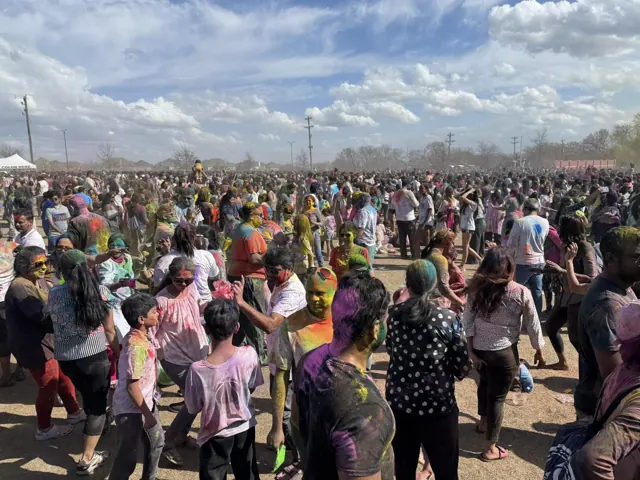
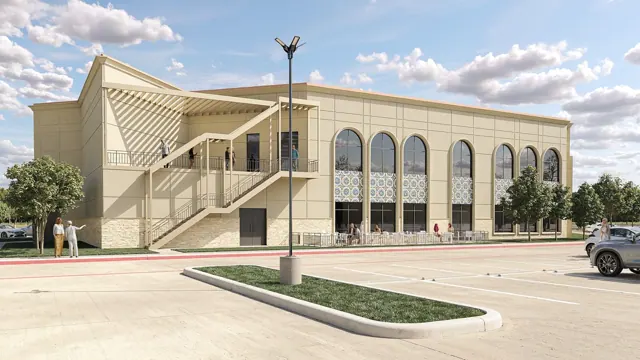
- The decision follows months of fights over demographic change, H-1B claims, religion, mosque and temple projects, and meeting decorum.
- The legal minimum and the civic standard are not the same thing.
- The next mayor and council will inherit the backlash. They will not avoid it by cleaning up the agenda.
The Microphone Became The One Place Left
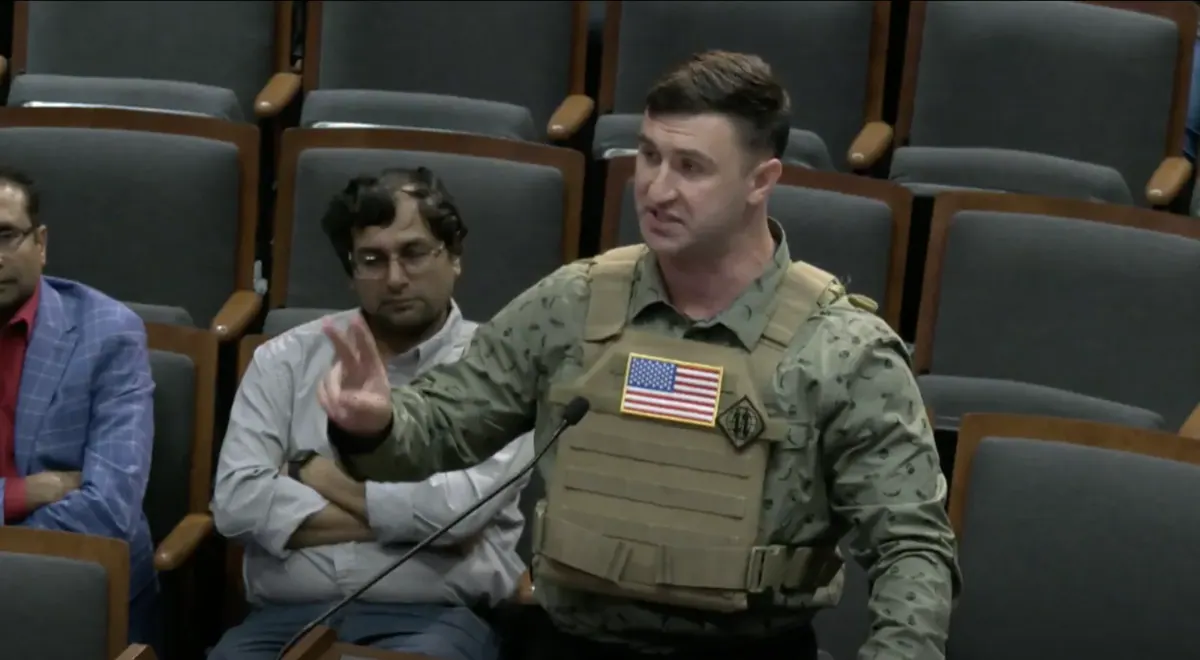
Frisco’s citizen-input period had stopped being a quiet civic ritual.
It became the public square for everything City Hall did not want to own directly.
H-1B accusations.
Indian population growth.
Mosque and temple fights.
Sharia arguments.
Claims that outside activists were hijacking meetings.
Residents who felt City Hall was letting the city change without a real public check.
People who thought the comments had crossed into intimidation and chaos.
That microphone became the one place where all of it collided on camera.
So City Hall removed the broad microphone.
That is the part residents should not brush past.
When speech gets messy, the answer cannot be to keep narrowing where speech is allowed until the meeting looks clean again.
That is not accountability.
That is turning off the lights and hoping the monster in the room disappears.
The Legal Minimum Is Not The Civic Standard
City leaders can make a clean legal argument.
Texas law gives people the right to address posted agenda items. Frisco’s own public-meetings page says general non-agenda comment was something the city had provided beyond that legal minimum.
That distinction matters.
But politics does not live inside legal minimums.
If residents believe the only topics they can speak on are the topics City Hall chooses to post, then City Hall controls the front door and the microphone.
That is where this becomes a freedom problem.
Public speech should be most protected where government is sitting in front of the people.
If a city can say, “Speak only on what we put on the agenda,” residents will naturally ask the next question.
What else gets narrowed?
What else gets moved out of the room?
What other uncomfortable subject becomes too disruptive for the public square?
The city may be trying to restore order.
Plenty of residents will agree with that.
But residents who already distrust the process will hear something different: speak only when the agenda lets you.
How Did Frisco Let It Get Here?
That is the question City Hall should be asking itself first.
How did the room get so angry that leaders felt the answer was to shut down general comment?
How did residents get to the point where council meetings became the pressure valve for religion, immigration, development, demographics, traffic, and distrust?
How did a city with Frisco’s money, growth, polish, and national reputation end up with leaders trying to manage public speech instead of solving the tension underneath it?
Those questions matter more than the new agenda format.
Order at the cost of public voice is not a serious long-term solution.
It is a trade.
And residents should ask whether that trade is worth making.
The Fight Will Move
Frisco can remove general comments from the agenda.
It cannot remove the issues.
The growth fight is still there.
The mayoral runoff is still there.
The mosque and temple fight is still there.
The public suspicion around demographics, development, and City Hall responsiveness is still there.
Now those arguments move to Facebook groups, campaign pages, lawsuits, public records, speaker cards on agenda items, emails to council, and every viral clip someone can still pull from the room.
Frisco did not end the conflict.
It changed the venue.
Bottom Line
Frisco had a real problem inside council chambers.
But a city that quiets a room still has to answer why the room got that loud.
If the next mayor treats this as solved because the agenda looks cleaner, the city will misread the moment.
Public comment was the symptom.
The disease is a fast-growing city where too many residents believe the future is being decided before they get to speak.
If there is anywhere speech should survive discomfort, anger, disagreement, bad optics, and political pressure, it is inside government.
Frisco can have city business and civil discourse.
But it will not get either by pretending the monster in the room is gone because the microphone moved.
Sources: Community Impact reporting on Frisco removing general public input, City of Frisco public meeting FAQs, Community Impact reporting on earlier public-input proposals, and KERA reporting on Frisco public-comment changes.