



Frisco’s mayoral runoff has turned into a fight over what the city is becoming.
The surface-level campaign is about City Hall experience, development, public safety, taxes, and management.
The real campaign is about religion, immigration, growth, identity, establishment power, and whether one of the most successful cities in North Texas is still willing to have the conversations its residents are already having privately.
That is why the forum mattered.
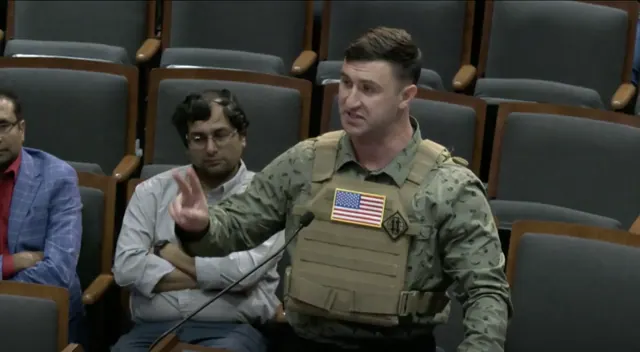
At the Frisco Chamber mayoral forum, reports described cheers, interruptions, and sharp exchanges as the candidates argued over Sharia law, religion, growth, leadership, and the future of the city. The forum was held at Grace Church. The topic that broke through was not potholes or permits.
It was whether Frisco is changing into something residents are no longer allowed to question.
Quick Read
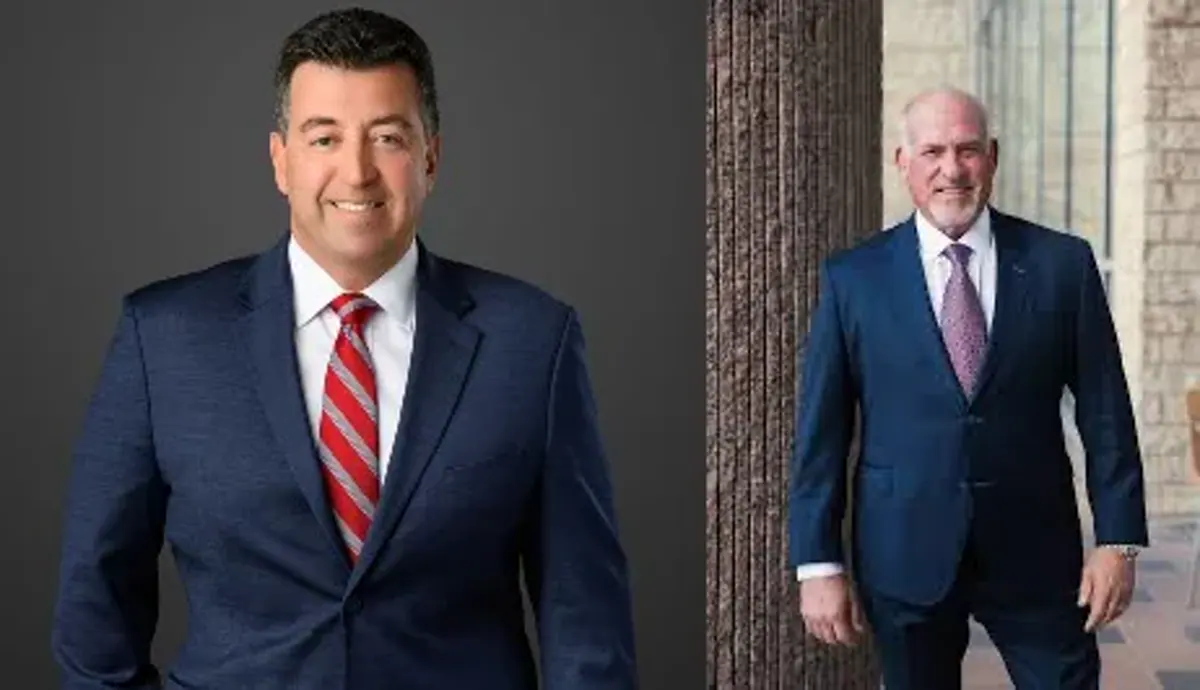
- Frisco mayoral candidates Mark Hill and Rod Vilhauer are headed to a June 13 runoff.
- Their May 18 forum became tense over Sharia law, religion, rhetoric, growth, and city identity.
- Rod Vilhauer has made cultural change and religious concern part of the campaign conversation.
- Hill has presented himself as the steadier establishment-backed candidate.
- The race reaches beyond Frisco City Hall because fast-growing Collin County cities are being forced to decide whether they can still talk honestly about the cultural future they are building.
- Early voting begins June 1 and runs through June 9. Election Day is June 13.
What The Forum Revealed
The Frisco Chamber mayoral forum was supposed to be a normal runoff event.
It did not stay normal.
Reports from the forum described cheers, interruptions, and sharp exchanges as Rod Vilhauer and Mark Hill clashed over Sharia law, community identity, leadership style, immigration, and the direction of Frisco.
That reaction tells the real story.
People were not sitting through another city hall discussion. They were reacting like residents who feel something deeper is happening and who are tired of being told not to notice it.
Frisco is richer, bigger, more global, more developed, more corporate, more crowded, more politically watched, and more culturally contested than it was 20 years ago.
That transformation created wealth and opportunity. It also created anxiety.
Vilhauer put that anxiety directly on the table. Hill tried to position himself as the stable hand who can keep Frisco moving while keeping the cultural fight contained.
That is the choice voters are being handed.
The Sharia Question
The word that changed the race was Sharia.
Some people hear that word and immediately say the discussion should stop. They call it fearmongering, bigotry, hysteria, or distraction.
That reaction is exactly why the issue has power.
Vilhauer’s line, as reported from the forum, cut straight to the anxiety: “We know that Sharia law is here” and “What is this place going to look like 20 years from now?”
That is the question people remember.
Because it names the thing polite politics tries to keep buried.
When a city changes quickly, are voters still allowed to ask what values will shape public life?
That question is fair.
It is fair in Frisco, Plano, McKinney, and every Collin County city absorbing rapid demographic, religious, cultural, and political change.
Public life is infrastructure, rooftops, retail centers, trust, shared norms, schools, holidays, public speech, faith, policing, family life, and whether residents believe their city still belongs to them.
That is why dismissing the question does not make it disappear.
It makes people more convinced that the establishment does not want them asking it.
When residents believe only one side is allowed to speak openly, resentment does not vanish. It goes underground, waits for an election, and comes back sharper.
Hill Versus Vilhauer
Hill has the safer political profile.
He has institutional experience, public-service credentials, and establishment support. He can argue that Frisco needs calm management, not cultural fire.
That message will appeal to voters who are tired of conflict, trust the current direction, and want the city to keep growing without national attention.
Vilhauer is running a different campaign.
He is forcing the uncomfortable questions out loud: what is growth changing, who is shaping the city, what cultural direction is Frisco taking, and why do residents get scolded when they ask?
For Christian families, conservative voters, and residents who believe Texas cities should defend their moral inheritance instead of apologizing for it, Vilhauer is the candidate putting the real concern into words.
That matters.
Public officials do not have to share every resident’s fear to take those fears seriously. But when one candidate is willing to name the cultural conflict and the other side wants to manage around it, voters should notice the difference.
Hostile coverage of Vilhauer may not hurt him the way critics expect. When a newspaper frames him as the dangerous candidate for raising Sharia, immigration, and cultural change, many voters will hear something different: he is saying the forbidden part out loud.
That does not make the race neat.
It makes it real.
Because Frisco’s future will not be decided only by professional bios and chamber language. It will be decided by whether voters trust the person at City Hall to defend the city they actually want to live in.
The Growth Machine Is Part Of This
Frisco did not stumble into this moment.
It built its way here.
Years of explosive development turned Frisco into a magnet for companies, high-income workers, corporate relocations, expensive homes, elite youth sports, international migration, and national attention.
That is the success story.
But every success story has a cost.
When growth changes a city faster than residents can process it, politics becomes emotional. People start asking who benefits, who gets ignored, who is protected, who gets labeled, and whether the old community has any meaningful say left.
That is why this runoff now carries countywide weight.
Frisco is now a case study for the rest of Collin County.
If one of the most prosperous cities in Texas cannot talk honestly about cultural change, then smaller cities should expect the same silence when their turn comes.
Celina, Prosper, McKinney, Plano, Allen, Princeton, Anna, and Melissa should all pay attention. The details will change city by city. The pattern will not.
First comes growth. Then comes cultural change. Then comes public discomfort. Then comes the command to stop noticing.
Frisco reached the point where the noticing became impossible to contain.
What Voters Are Really Deciding
The runoff ballot will have two names.
The actual question is larger.
Do Frisco voters want a mayor who keeps the city’s public conversation inside safe establishment boundaries, or a mayor who is willing to force uncomfortable cultural questions into the open?
That is the race.
Roads matter. Taxes matter. Public safety matters. Development matters.
But values decide what those things are for.
And if a city loses the ability to talk about values, it eventually loses control of its own identity.
Frisco voters now have a clear choice.
They can treat the forum as an embarrassing moment to move past.
They can also treat it as the moment the real race finally started.
This runoff is a test of whether Christian and conservative residents still have room to speak plainly in the cities they built, funded, served, and raised families in.
If the answer is yes, Vilhauer has given those voters a lane.
If the answer is no, Frisco’s future will be decided by people who call every hard question divisive until the city has already changed beyond recognition.
Sources: TX3DNews report on the Frisco mayoral forum, Context Corner report on the forum, Dallas Observer report on the runoff controversy, and Frisco Chamber voter information for the runoff.