



Plano’s loudest development story right now is the arena question.
The quieter story may be more revealing.
Community Impact listed seven ongoing or upcoming transportation and infrastructure projects in Plano with a combined published cost of about $85.14 million.
That money is not buying one shiny district.
It is buying the work people usually notice only when something is late, broken, closed, flooded, backed up or under construction.
Road repairs.
Sewer improvements.
Bridge replacement.
Trail work.
Concrete repair.
This is the cost of holding an established city together.
Quick Read
- Plano has seven listed infrastructure and transportation projects underway or coming.
- Published costs total about $85.14 million.
- Cotton Belt Regional Trail Phase 2 is listed at $50 million.
- Plano Parkway sewer improvements are listed at $17.25 million.
- 15th Street paving and waterline reconstruction is listed at $7.14 million.
- Arterial Overlay 2026 is listed at $5.4 million.
- The Cotton Belt trail and Plano Parkway sewer work together account for about $67.25 million, or roughly 79% of the known total.
- The list shows Plano’s mature-city problem: expensive maintenance, utility work and mobility upgrades do not stop just because bigger redevelopment projects are on the table.
The Real Story Is Concentration
The $85.14 million total is useful.
The breakdown is more useful.
The Cotton Belt Regional Trail Phase 2 is listed at $50 million.
Plano Parkway sewer improvements are listed at $17.25 million.
Together, those two projects make up about $67.25 million.
That is roughly 79% of the known list.
That tells residents something.
Plano’s current infrastructure bill is not evenly spread across tiny repairs.
A huge share is tied to two big categories: regional trail/mobility infrastructure and underground sewer capacity.
The first is visible.
The second is not.
Both matter.
Residents can see a trail.
They usually do not see a sewer problem until it becomes a crisis.
That is why the Plano Parkway project matters.
Not because it is exciting.
Because mature cities either keep replacing the systems underneath them or they start aging in ways residents eventually feel.
Plano Is In The Maintenance Era
Fast-growth cities get attention because they are building new things.
Plano has a different pressure.
It has to maintain, replace and modernize what already exists while still competing for new growth.
That is a harder story to sell.
It does not look like one ribbon cutting.
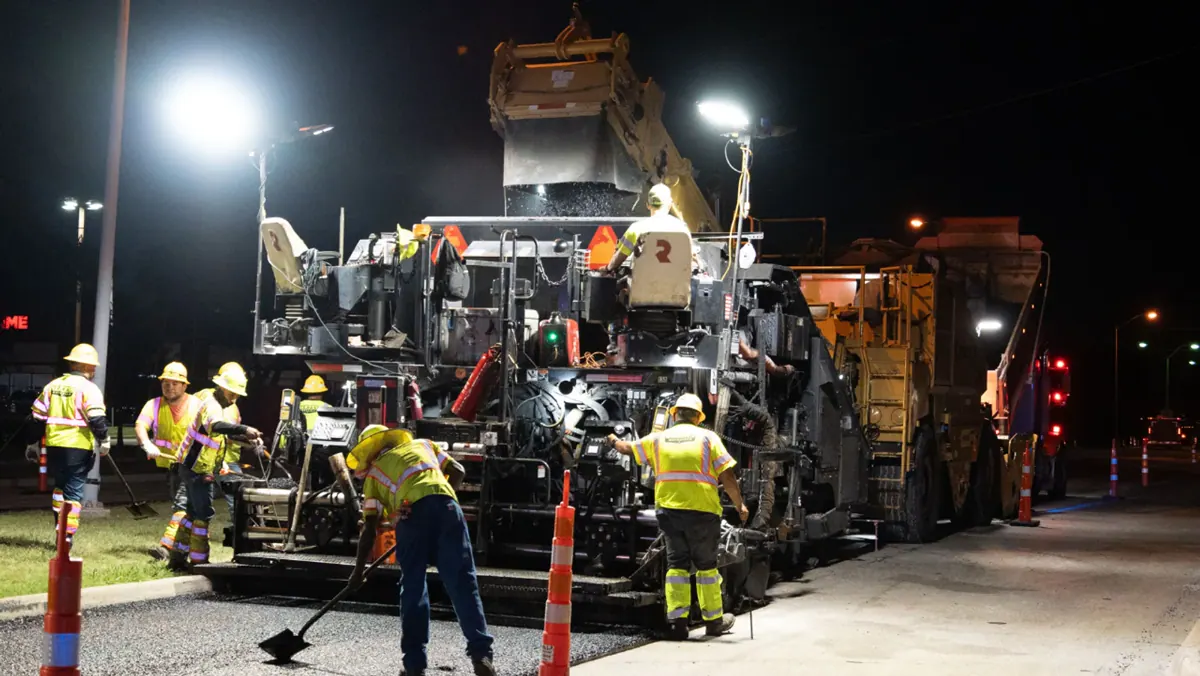
It looks like pavement work, bridge replacement, overlays, sewer improvements, waterline reconstruction and concrete repair.
It looks like lane closures residents hate until they realize the alternative is decay.
The project list includes arterial overlays, Plano Parkway sewer improvements, 15th Street paving and waterline work, Pittman Creek bridge replacement, Custer Road concrete repair, Coit Road concrete repair and Cotton Belt trail work.
That is the maintenance era.
Plano is not a new suburb trying to build its first version of everything.
It is an established city trying to keep its older systems strong while deciding what its next identity becomes.
That is expensive.
It is also unavoidable.
The Dollar Figures Show What Residents Usually Miss
The big numbers are not only about cost.
They show where city life is fragile.
Cotton Belt Regional Trail Phase 2: $50 million.
Plano Parkway sewer improvements: $17.25 million.
15th Street paving and waterline reconstruction: $7.14 million.
Arterial Overlay 2026: $5.4 million.
Custer Road concrete repair: $1.94 million.
Pittman Creek Bridge replacement: $1.8 million.
Coit Road concrete repair: $1.61 million.
This is not one project type.
It is the full stack.
Transportation.
Water.
Sewer.
Bridge safety.
Road condition.
Trail connectivity.
If one part fails, residents complain about quality of life.
If several parts fall behind at once, the city starts feeling older than it should.
The Arena Context Makes This More Important
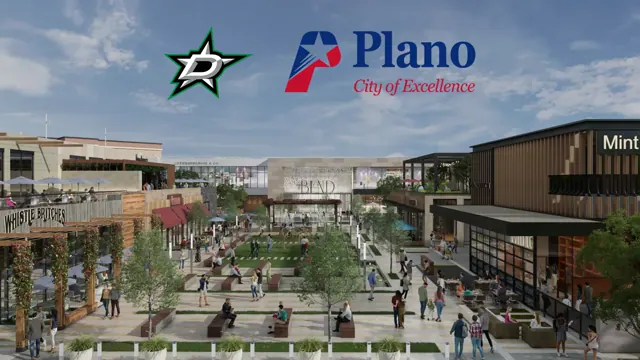
Plano is now talking about massive redevelopment at Willow Bend, a potential Dallas Stars arena district, and new venue-tax questions.
That makes basic infrastructure even more important.
A city cannot chase regional entertainment projects while neglecting the boring systems underneath daily life.
Residents should be able to hold both thoughts at once.
Plano can pursue big redevelopment.
Plano also has to keep roads, bridges, waterlines, sewer systems, trails, and neighborhoods functioning.
The mature-city challenge is balance.
And the timing matters.
Arena districts, mall redevelopments, event traffic and new mixed-use plans can create new energy.
They can also create new pressure on roads, parking, police, fire, drainage, utilities and neighborhood access.
That is why Plano’s $85 million infrastructure list should not be treated as a separate story from the city’s redevelopment ambitions.
It is the baseline.
Before any city sells residents on the next big thing, it has to prove the basics still work.
CCJ’s Resident Scorecard
Plano residents do not need to memorize every project number.
They need the right questions.
One: which projects are maintenance, and which projects expand capacity?
Two: which projects are funded locally, and which rely on TxDOT, federal, state or regional dollars?
Three: which neighborhoods or corridors get the most immediate benefit?
Four: which projects create construction pain before relief arrives?
Five: what happens if redevelopment adds demand faster than infrastructure upgrades arrive?
Six: how does Plano prevent big headline projects from crowding out basic maintenance?
That last question is the center of the story.
Plano can pursue major redevelopment.
But residents should not let any city talk about growth, entertainment, density or destination districts without also showing the road, sewer, bridge, waterline, trail and public-safety math.
The ordinary systems are not side issues.
They are the city.
Bottom Line
Plano’s $85 million infrastructure list will not trend like the Stars proposal.
But it may tell residents more about the city’s real condition.
This is the work that keeps a mature city from becoming brittle.
If Plano wants to become more than a suburban office-and-retail city, it still has to keep investing in the ordinary systems residents use every day.
Big projects win headlines.
Infrastructure decides whether the city still works on Monday morning.
Sources: Community Impact listing of Plano transportation projects, City of Plano Community Investment Program, and DART capital projects information.