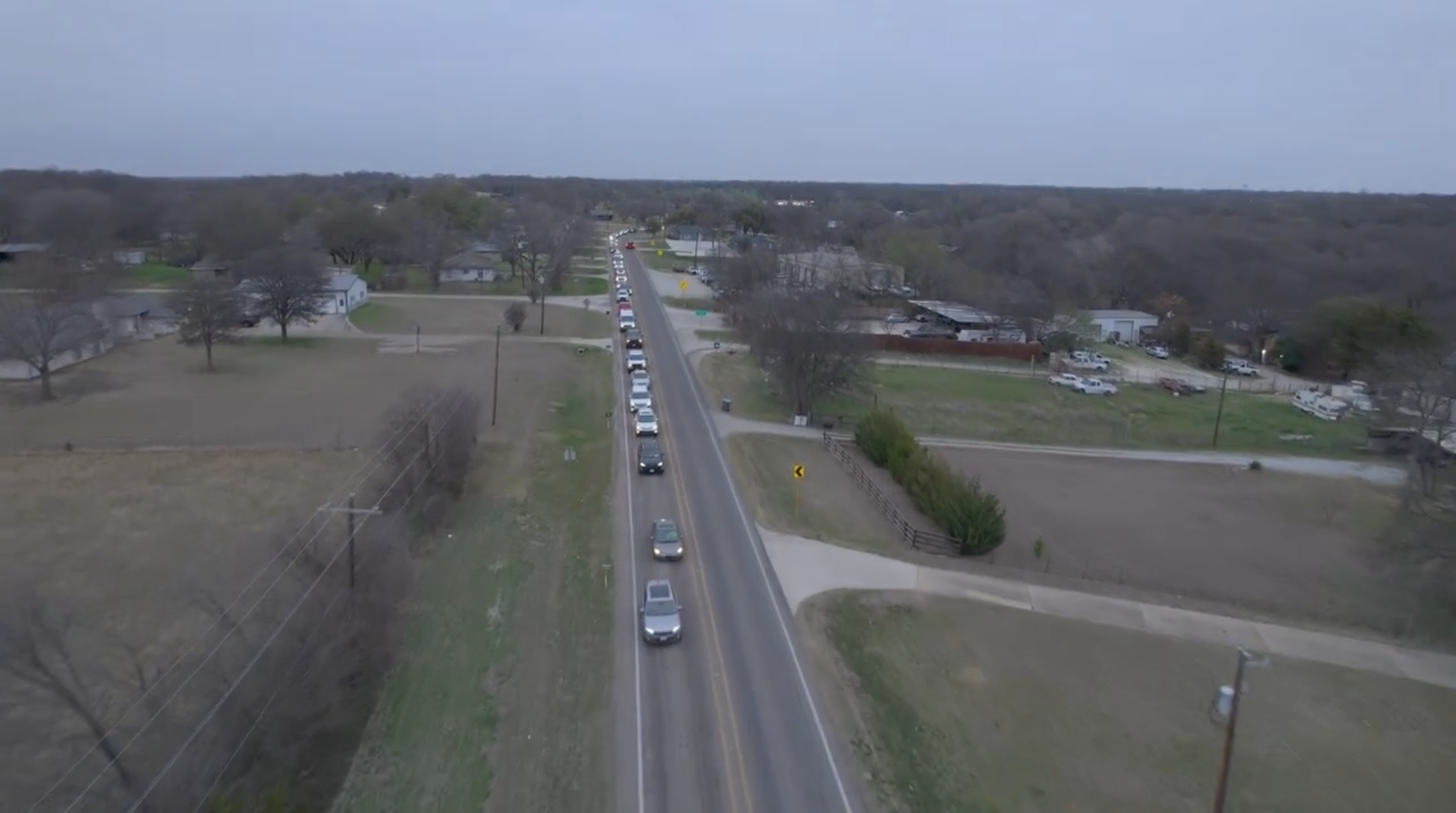
Melissa residents often treat state and county highway work as if it is happening around the city rather than to it.
That is a mistake. The regional road program is now part of how daily life works in Melissa. It shapes commute times, retail access, truck movement, and where the next round of growth can land.
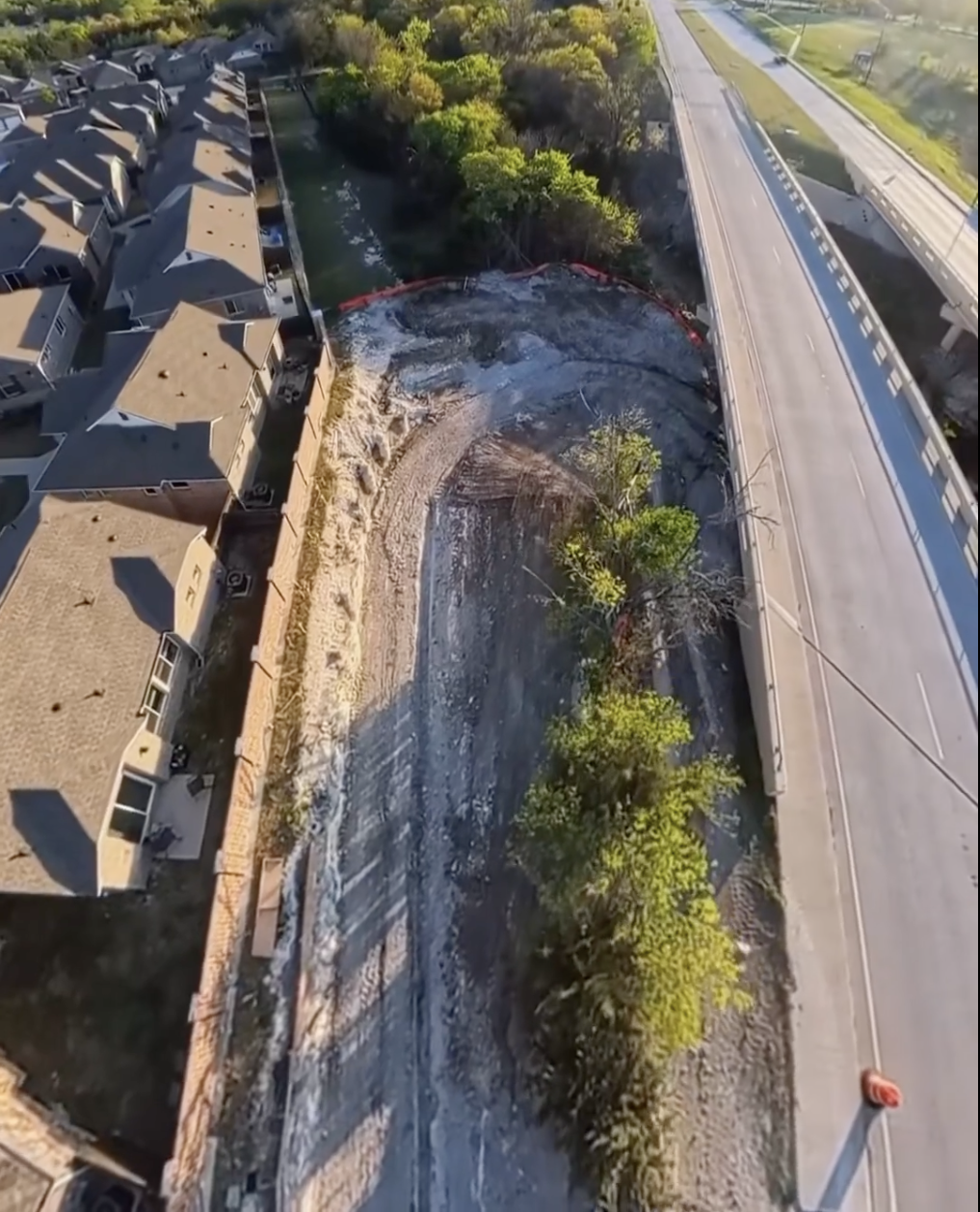
The city’s road-construction page specifically directs residents to active information on the U.S. 75 corridor north of Melissa Road, SH 121, Collin County projects, and TxDOT’s district trackers. Regionally, the North Central Texas Council of Governments lists US 75 from the Collin/Grayson county line to FM 455 as a major project under construction and SH 121 from the Collin/Fannin county line to the Collin County Outer Loop as another major project under construction. The same regional list marks SH 121 from the Outer Loop to Melissa Road as completed, and US 75 from FM 455 to SH 121/Telephone Road as completed. Meanwhile, Community Impact reported the Outer Loop connection from Celina to McKinney opened in November 2025, more than three months ahead of schedule, and the county’s next Outer Loop segment remains in planning.
Quick Read
- Melissa sits inside an active corridor program, not on the edge of one.
- One Outer Loop connection opened ahead of schedule in late 2025, while another segment remains in study and public-meeting phases.
- Inside the city itself, street miles rose from 108.5 in fiscal 2024 to 120.4 in fiscal 2025.
The Defining Number
The dominant number is 120.4.
That is the city’s street mileage in fiscal 2025, up from 108.5 the year before. Storm sewers, water mains, and sanitary sewer mileage also increased over the same period. Melissa is not just waiting on regional agencies. It is physically expanding its own linear infrastructure at the same time.
The Supporting Pattern
Some pieces are finished. Some are in construction. Some are only now moving through alignment and public-hearing work. That means Melissa residents will live inside a patchwork period where one corridor improves while another gets more disruptive.
This matters because fast-growing suburban cities are often limited less by land than by mobility. If corridors move, commercial land activates, schools function more predictably, freight routes stabilize, and resident frustration stays manageable. If corridors lag, every other city problem feels worse.
Why It Matters
Road work is not a separate topic from development. It is the condition that determines whether development feels useful or chaotic.
Openings on the Outer Loop and completed sections of SH 121 matter because they redistribute pressure, but they do not end the construction era. Melissa sits in a county and regional network that is still being resized for the population and freight volumes it already has, not just for what is coming next.
Bottom Line
If you are waiting for a clean moment when the roads are “done,” you are waiting for the wrong thing.
The better question is whether the sequence of projects is starting to improve function faster than new growth consumes it. That answer is still mixed.