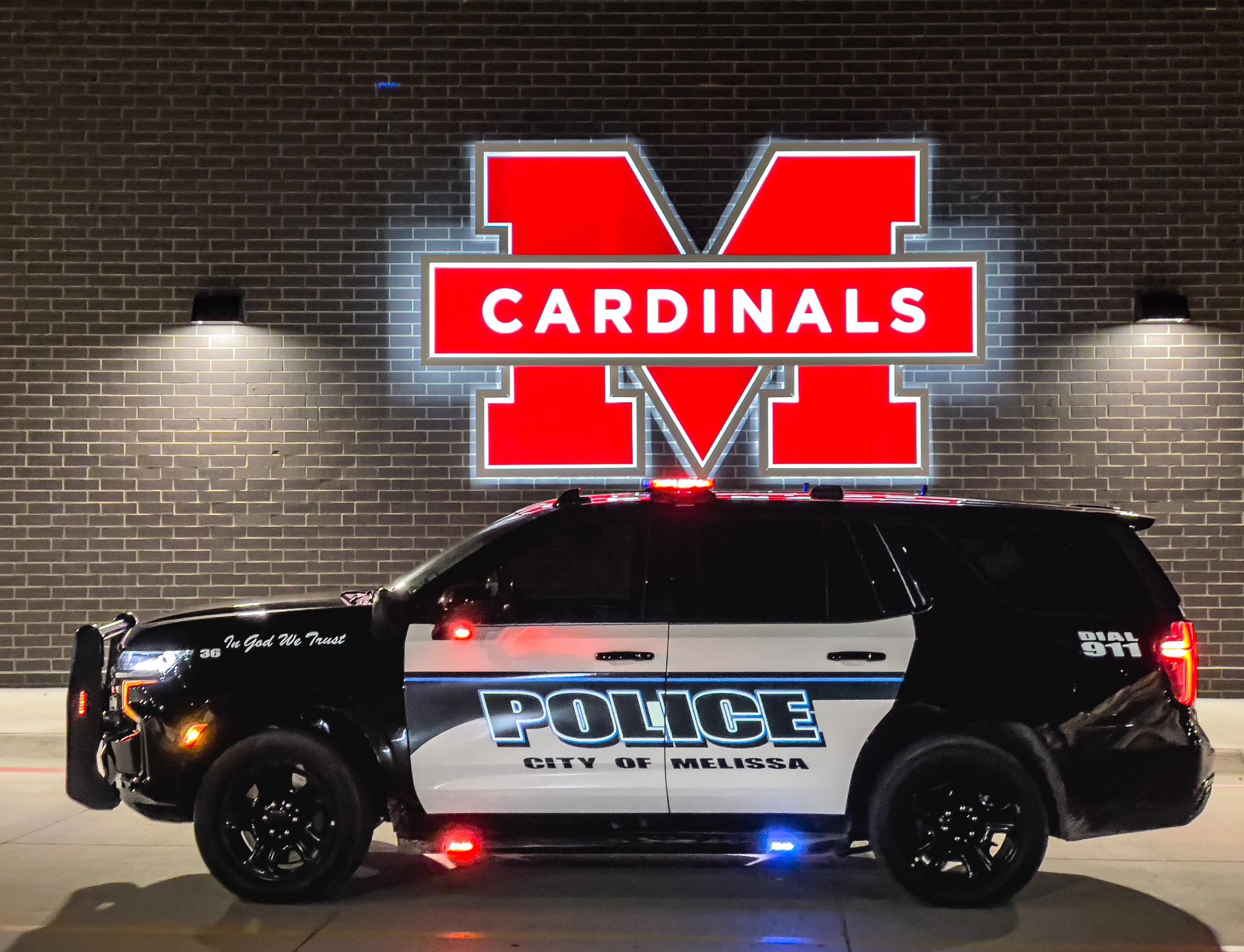
You do not need a dashboard to feel what changed.
Patrol presence is more visible. Fire and EMS activity is more organized. The city is no longer trying to protect a small town with small-town capacity. It is building a larger public-safety system while residents are already living inside the growth it is meant to serve.
The clearest document trail runs from the 2024 voter approval of Melissa’s dedicated crime-control and fire/EMS districts into the city’s fiscal 2025 reports and early 2026 project updates. Police staffing was approved up to 30.5 sworn officers plus two civilian employees. Fire staffing rose to 27 full-time fire suppression and EMS positions plus seven administrative employees. Fire Station #2 is under construction off Throckmorton Road and is expected to open in November 2026. Melissa’s first city ambulance went into service in June 2025.
Quick Read
- Fiscal 2025 ended with 2,811 fire and EMS calls, up from 2,352 in 2024 and 1,822 in 2023.
- Police added staffing, drones, expanded Flock and Axon tools, and a commercial vehicle enforcement unit.
- Fire added staffing, launched ambulance transport, advanced Fire Station #2, and is adding a new 107-foot ladder truck in 2026.
The Defining Number
The dominant number is 2,811.
That is not just a call total. It is the best simple measure of how quickly Melissa’s emergency workload is scaling. The same fiscal year also showed 720 fire inspections, up from 281 the year before, which means the buildout is not only increasing calls after something happens, but also increasing the amount of prevention work required before things go wrong.
The Supporting Pattern
The pattern is broad. Police used district funding to stand up a fully staffed motorcycle unit, expand commercial-vehicle enforcement, buy multiple drones, and add Flock Freeform and Convoy tools. The CVE unit averages more than 18 inspections per month and has removed 55 unsafe commercial vehicles from Melissa roadways.
Fire used its district money to add staff, launch ambulance transport, hire an additional fire inspector, order a larger ladder truck, and move a second station toward opening.
These are multiple systems pointing to the same conclusion. Melissa is no longer dealing only with more residents. It is dealing with more buildings, more trucks, more intersections, more school traffic, more medical runs, and more code-enforcement pressure at the same time.
Why It Matters
That is why staffing, equipment, prevention, and physical station coverage are all moving together.
For residents, the meaning is direct. Public safety is one of the few city functions that cannot absorb growth quietly. If the system is late, people feel it in response times, crash scenes, school zones, and insurance exposure. Melissa’s answer so far has been to add permanent capacity rather than rely on temporary workarounds.
The city’s own sales-tax structure now reserves 0.25% for the crime-control district and 0.25% for the fire control, prevention, and EMS district. In other words, Melissa chose to dedicate recurring local revenue to public safety before the strain became unmanageable.
Bottom Line
If you want to know whether the city is taking growth seriously, watch public safety first.
Melissa is. The warning is that the buildout is not finished. One fire station is still one fire station today, and most of the new capacity residents are counting on will arrive only after more growth has already landed.