Melissa’s growth story is no longer captured by a single headline about being “fast-growing.”
The more useful truth is that several official measurements disagree on the exact size of the city, but all agree on the direction and the speed. That is what matters for residents.
The U.S. Census Bureau’s July 1, 2024 estimate put Melissa at 26,194 residents. The city’s fiscal 2025 Annual Comprehensive Financial Report, dated February 24, 2026, described Melissa as having a population of approximately 32,000. KERA reported in May 2025 that Melissa ISD officials said the student population had doubled over the previous five years and was projected to grow another 67% over the next decade. Different systems are counting different things on different timelines, but none of them point to slow growth.
Quick Read
- Census estimated 26,194 residents in mid-2024; the city’s FY2025 ACFR estimated about 32,000.
- Fiscal 2025 recorded 774 residential building permits and 1,206 new water connections.
- Average daily water use reached 3.705 million gallons, and average daily wastewater treatment reached 2.335 million gallons in fiscal 2025.
The Defining Number
The dominant number is 1,206.
That is the number of new water connections in fiscal 2025. It is a better daily-life growth indicator than a slogan because it shows how many additional service relationships the city had to absorb in one year.
The Supporting Pattern
There is an important secondary pattern inside the permit data. Residential permits fell from 1,442 in fiscal 2024 to 774 in fiscal 2025. Commercial permits also fell from 47 to 35. That does not mean growth stopped. It means Melissa came off an extreme peak while still adding households and physical demand at a rate most small cities never face.
Utility flows, school growth, and service demand all kept rising.
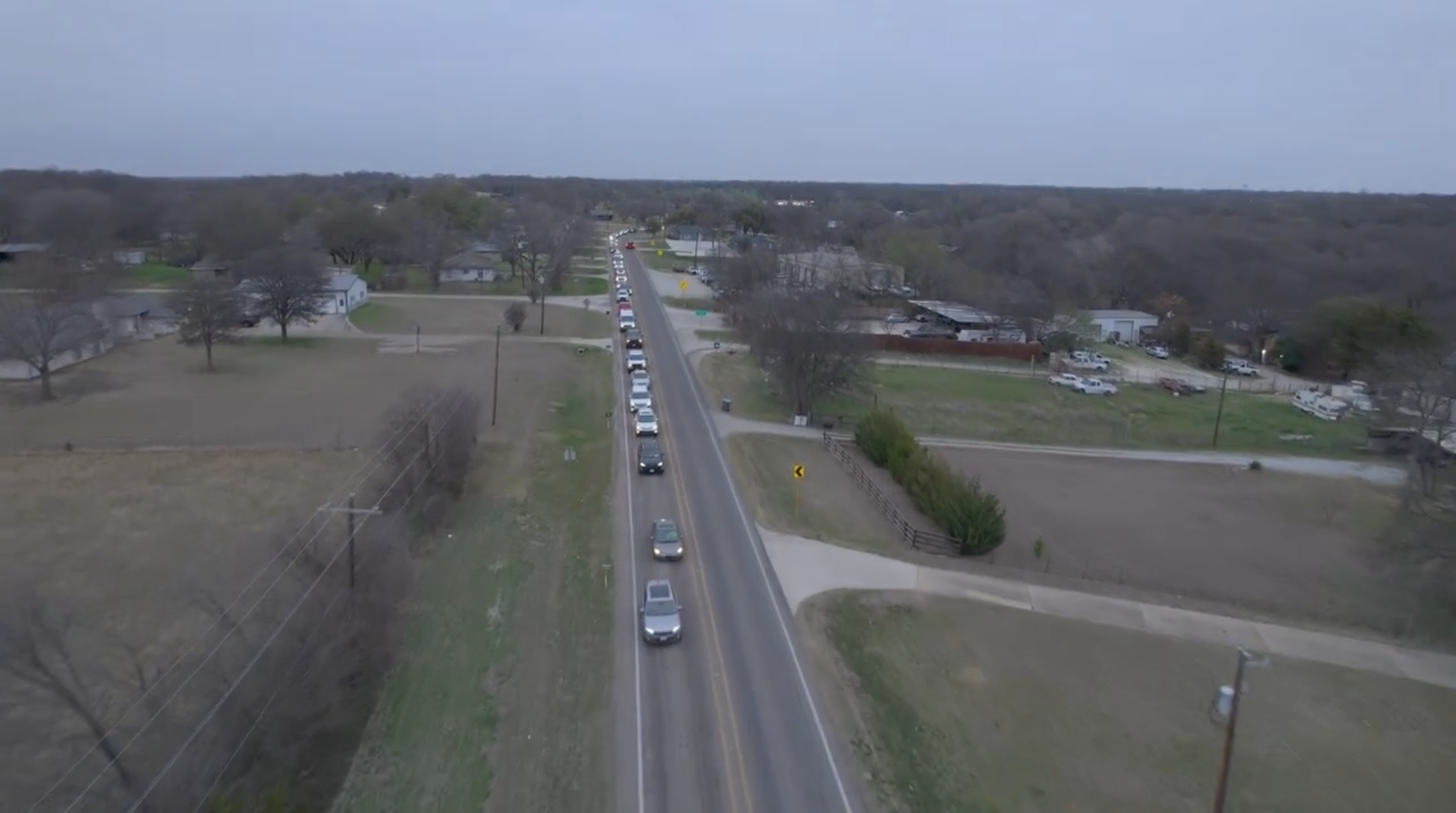
This is where residents need precision. A slight cooling in permits is not the same as stabilization. Melissa can move from “surge” to “very fast growth” and still put serious pressure on roads, schools, water, fire coverage, and commercial land use.
Why It Matters
Even if homebuilding is no longer setting a fresh record every year, the city is still absorbing new demand faster than most of its institutions can reset and relax. That is why Melissa feels both established and unfinished at the same time.
Melissa sits inside a rapidly growing North Texas and Collin County corridor where nearby cities such as Princeton, Anna, Celina, and Melissa were all cited by official and major-media sources as among the fastest-growing communities in the country. Melissa is benefiting from that pull, not standing outside it.
Bottom Line
Ignore arguments over the single perfect population number. Watch service demand instead.
New connections, water use, school counts, and public-safety calls tell the real story. The warning is that those indicators rarely wait for the city’s slower official counts to catch up.