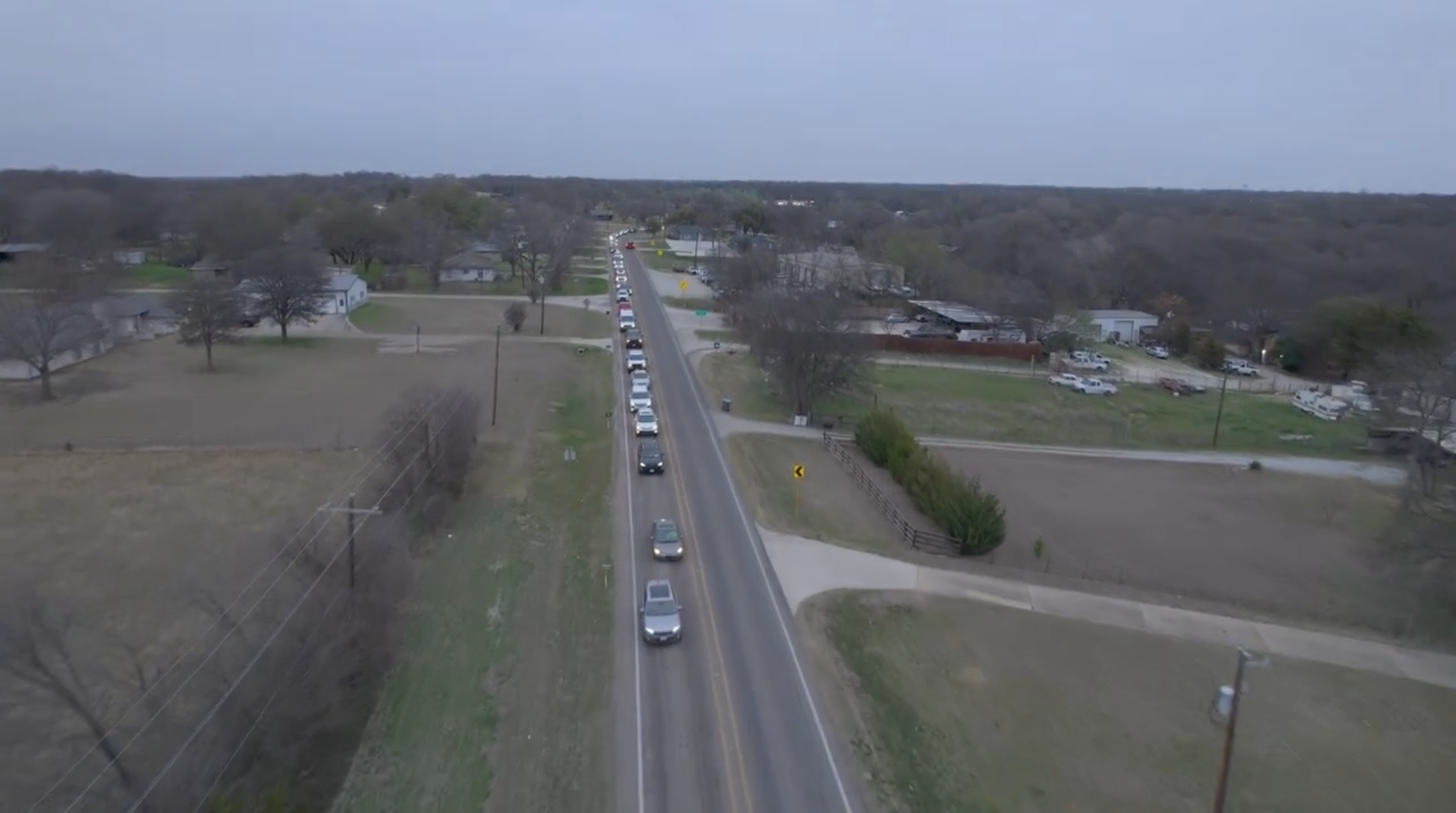
The most important traffic story in Melissa is not congestion in the abstract.
It is the point where ordinary trips start turning into safety incidents around neighborhoods, schools, and growth corridors. That has already happened.
In fiscal 2025, Melissa recorded 344 accidents and issued 6,578 citations. That crash count was below fiscal 2024’s 383, but citations rose sharply from 5,313, and physical arrests rose from 327 to 564. Then, on March 2, 2026, police responded to a traffic incident involving two children riding bicycles to school at Eaglestone Drive and Valley Run; both were taken to a hospital with non-life-threatening injuries. On April 7, 2026, police also investigated the death of an individual found near Fannin Road and Fisherman Trail, a case that shut part of that corridor and forced traffic detours.
Quick Read
- Melissa logged 344 crashes and 6,578 citations in fiscal 2025.
- Two children riding bicycles to school were injured in a March 2026 traffic incident.
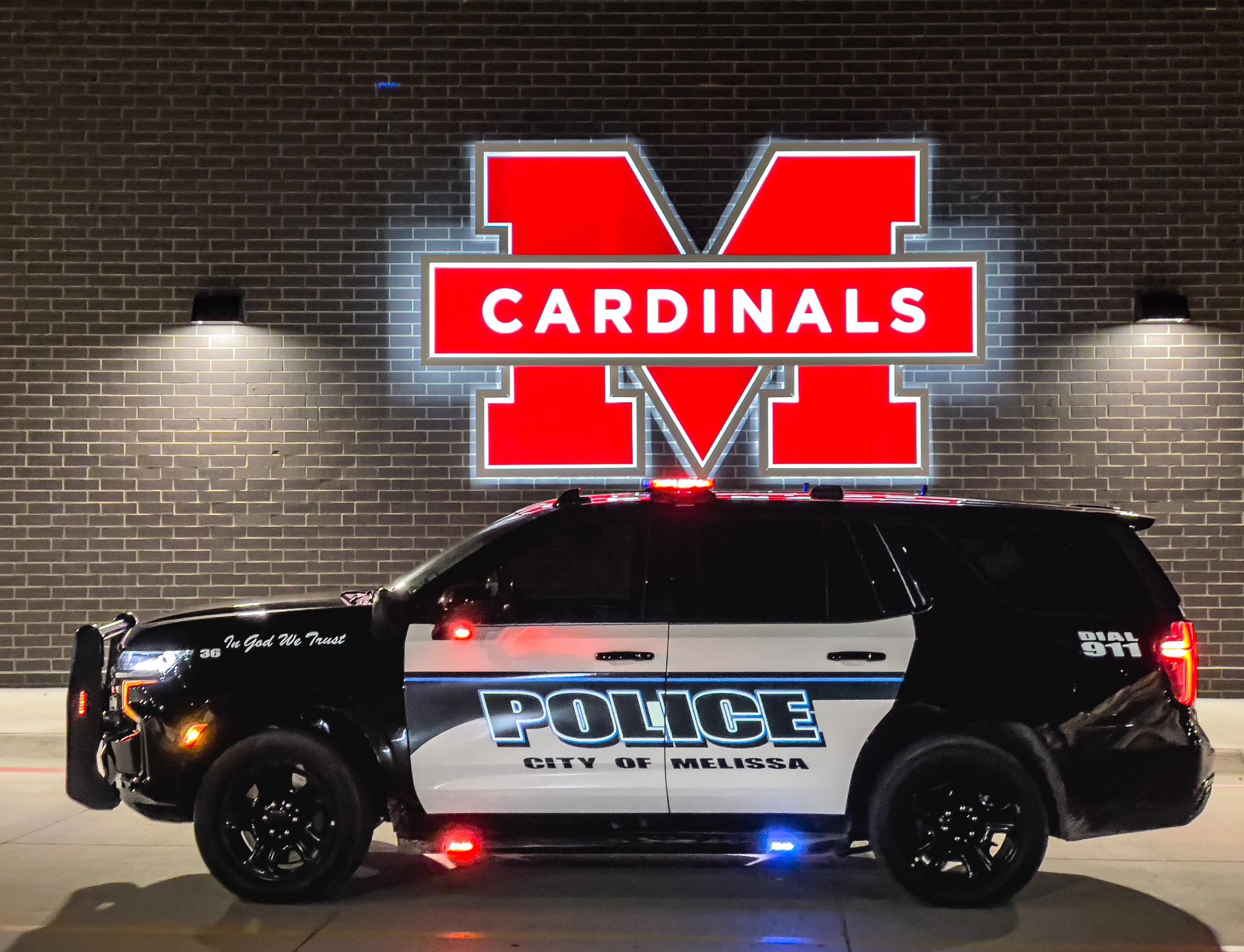
- The city says its motorcycle unit and commercial-vehicle enforcement program were created in direct response to resident demand for stronger traffic enforcement.
The Defining Number
The dominant number is 344.
A town can absorb occasional traffic frustration. It cannot casually absorb hundreds of crashes a year and still pretend traffic is mainly a nuisance issue. Melissa’s own public-safety investments show the city understands that distinction.
The Supporting Pattern
The city’s FAQ on the motorcycle unit says it was created after a citizen survey in which 21% of respondents named traffic enforcement a top priority and 45% said it needed improvement. The police department’s district-funded commercial-vehicle unit was built to reduce crashes, protect infrastructure, and keep large trucks off routes that cannot safely absorb them.
That convergence matters because Melissa’s traffic problem is structurally different from the one residents often imagine. It is not just a freeway problem on the edge of town. It is a citywide interaction problem between fast residential growth, school travel, corridor retail, trucks, and streets that were not built for current demand patterns.
Why It Matters
Parents feel this first. So does anyone who commutes through the Fannin, Melissa Road, and school-zone network. More enforcement may frustrate drivers, but the alternative is accepting a higher baseline of crash risk as normal. The documents show Melissa has already rejected that trade.
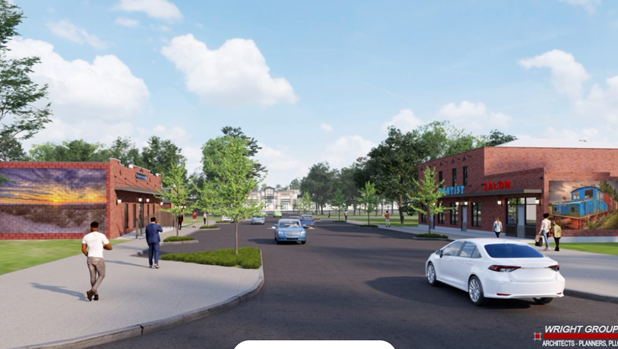
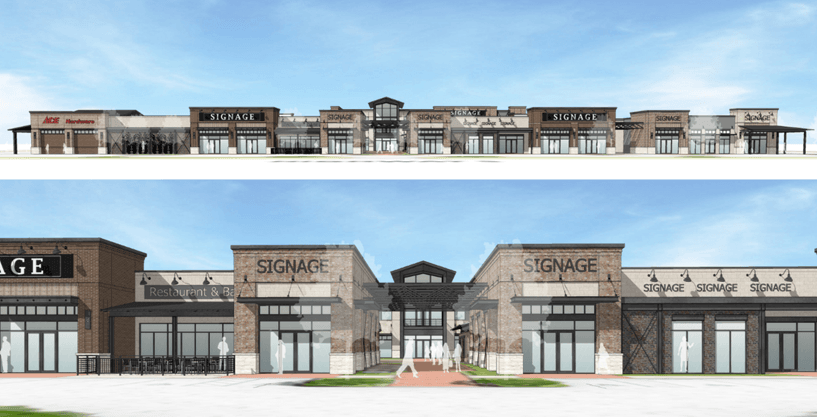
Housing has expanded, commercial corridors are filling in, and truck movement is rising with development. Public safety is responding by becoming more traffic-oriented, not less. That is what cities do when growth moves from theory into the street grid.
Bottom Line
The practical question is not whether Melissa can eliminate traffic pressure. It cannot.
The question is whether it can keep that pressure from hardening into a daily injury pattern. The warning is that once school-route problems become normalized, they are much harder to undo than to prevent.