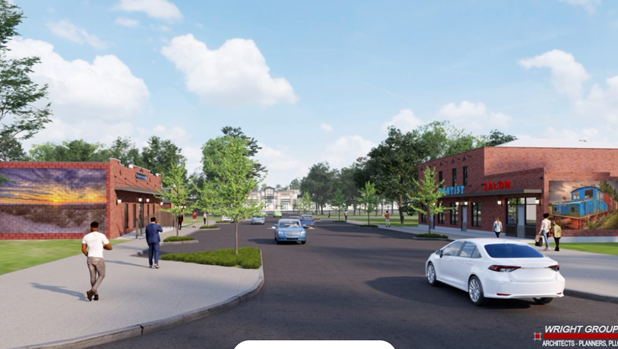
Melissa has spent years being discussed as a place where retail would arrive “soon.”
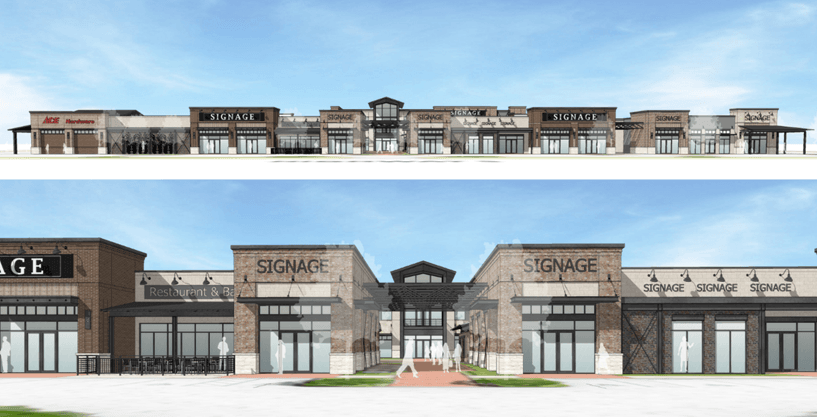
That phase is ending. The more recent public documents are no longer mostly about aspiration. They are about engineering site plans, plats, commercial zoning, and named projects at specific corners.
The period from January through February 2026 is especially revealing. Planning and zoning materials show a Waffle House site plan at 3310 Sam Rayburn Highway, a 13.01-acre commercial phase at the southeast corner of U.S. 75 and Melissa Road, a 2.799-acre India Bazaar site plan at Melissa Road and Fannin Road, a Rock Creek retail site plan, a 4.7-acre industrial site plan for Master Halco on Sam Rayburn Highway, an 8.213-acre commercial rezoning on Central Expressway, and a 21.3-acre planned development for commercial and light industrial use at the southeast corner of Sam Rayburn Highway and McKinney Street.
Quick Read
- Named commercial and industrial projects are now appearing across both the U.S. 75 and SH 121 fronts of the city.
- The fiscal 2025 ACFR shows Melissa’s largest employers now include H-E-B with 525 employees and Buc-ee’s with 315.
- Melissa is no longer waiting for a commercial identity. It is now assigning land to multiple commercial identities at once.
The Defining Number
The dominant number is 21.3 acres.
That tract at SH 121 and McKinney Street shows the scale of what is changing. Melissa is not just infilling with a few pad sites. It is assigning major corridor land to the next round of business activity.
The Supporting Pattern
The commercial buildout is spreading across the highway frontage, downtown-adjacent parcels, and industrial-serving sites. That reduces the risk that Melissa becomes a city with one strong retail pocket and little else. It also increases the chance that residents will increasingly make local trips for goods and services that once required leaving town.
Existing anchor employers already prove Melissa can support large-format retail and destination traffic. New zoning and site-plan activity show the city is now converting that customer base into a broader commercial map.
Why It Matters
This is how suburban places cross from “popular to live in” to “economically self-serving enough to change daily routines.”
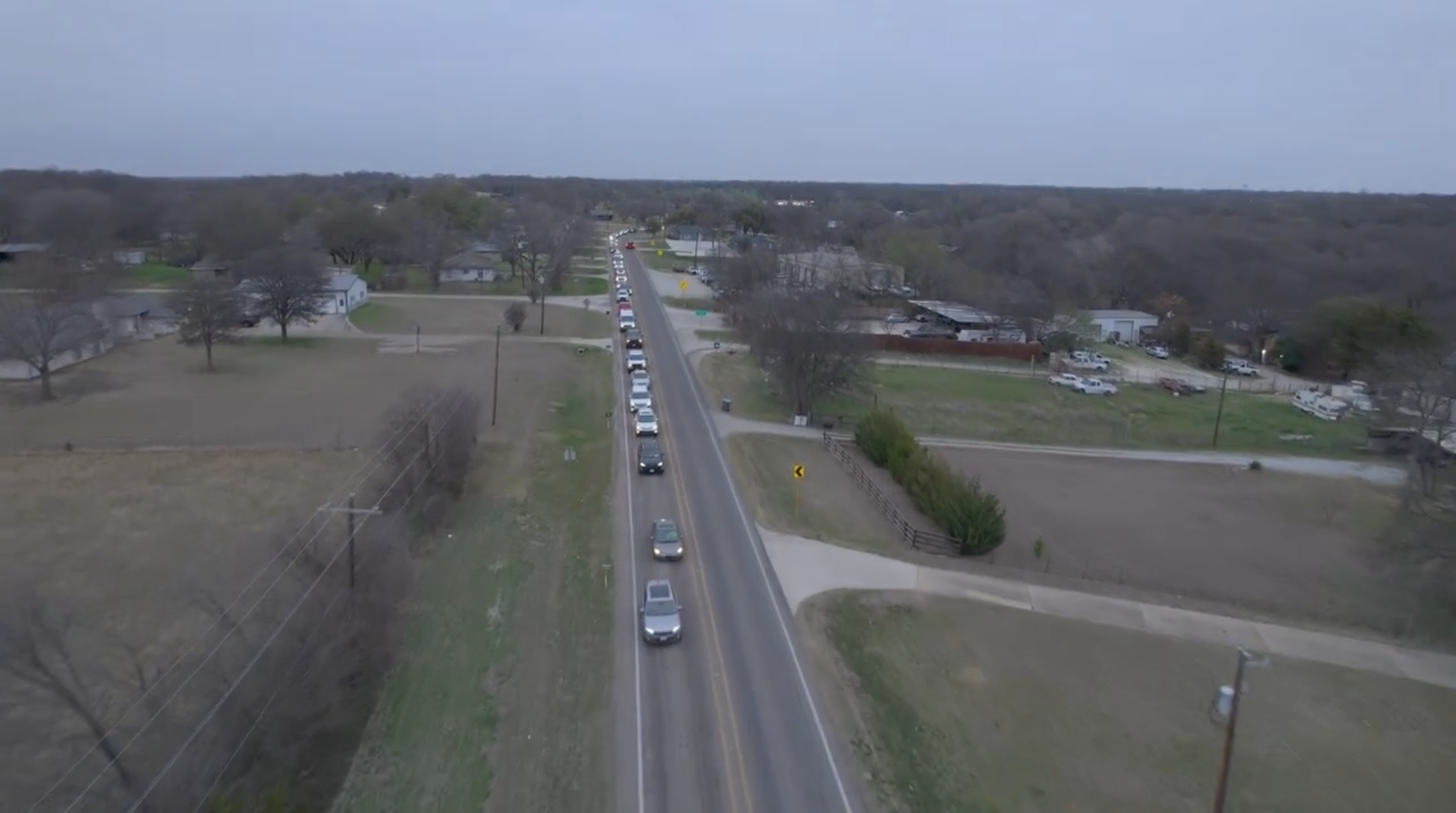
For residents, the impact is mixed. The upside is shorter errand loops, more tax base, and more local job options. The pressure point is traffic. Every successful corridor project also adds turning movements, delivery traffic, and frontage-road stress.
Bottom Line
Melissa’s commercial future is no longer mostly hidden in rumor. It is in public packets and engineering filings.
The warning is that each new convenience will also test the intersections and road segments residents already say feel strained.