Melissa’s healthcare story is improving, but residents should understand what kind of improvement it is.
The city is gaining more access points. It is not yet gaining a fully local hospital-based care system. That difference matters most when urgency rises.
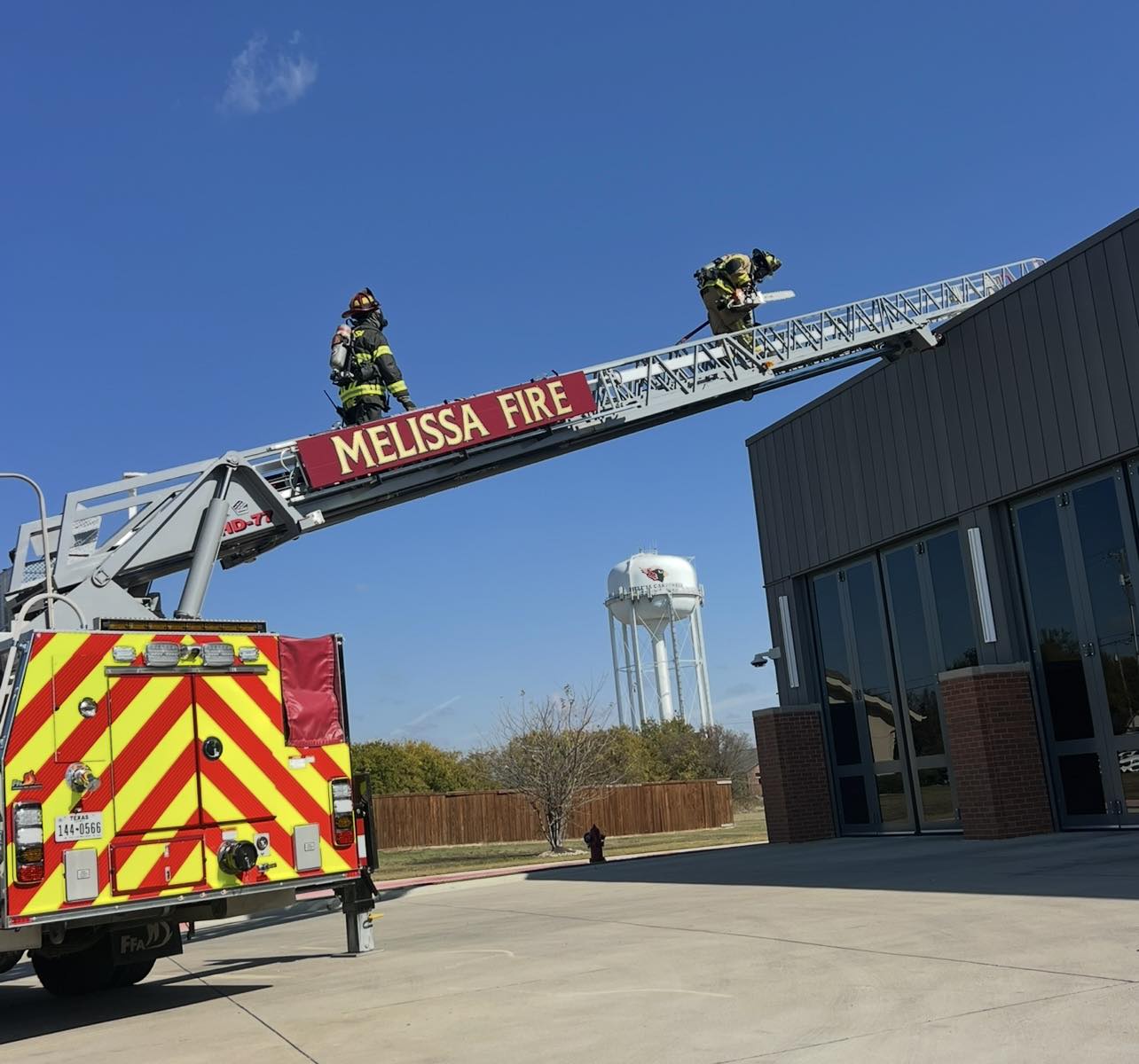
The clearest local shift happened in June 2025, when the Melissa Fire Department put its first ambulance into service. By the end of October 2025, the department reported averaging four to five EMS calls per day and having treated about 430 patients. The next major step is a freestanding emergency department: a project registered with the Texas Department of Licensing and Regulation as Legacy FSED-Melissa, an 11,244-square-foot, $8.93 million facility at 1000 Sam Rayburn Highway with a listed completion date of April 6, 2026. Melissa also already has urgent-care access through existing local operators on SH 121 and Milrany Lane.
Quick Read
- City-run ambulance transport began in June 2025 and was averaging four to five EMS calls a day by October 2025.
- A freestanding emergency department project in Melissa carries an April 6, 2026 completion date in state filings.
- Full hospital expansion for the broader north Collin area is still regional: Texas Health Resources says its new north McKinney hospital serving Melissa is expected in early 2029.
The Defining Number
The dominant number is 2029.
That is the date Texas Health gives for opening its new north McKinney hospital, which it says will serve residents of north McKinney, Anna, Melissa, Princeton, and surrounding areas. Until then, the higher-acuity hospital future for Melissa remains mostly off-city.
The Supporting Pattern
Access is expanding incrementally. Ambulance transport improves continuity once help arrives. Urgent care helps with minor illness and injury. A freestanding emergency department can widen after-hours and emergency access inside Melissa.
But hospital beds, labor and delivery, NICU care, surgery, and broader inpatient services are still being planned regionally rather than delivered inside the city.
Why It Matters
Melissa’s healthcare system is catching up to growth as a layered model: urgent care, EMS transport, freestanding emergency care, and then regional hospital expansion.
That is better than having nothing. It is not the same as having a mature local medical network.
For residents, the practical takeaway is tiered. For low-to-moderate acuity needs, the city is much better positioned than it was even a year ago. For inpatient care, maternity, intensive specialty care, and major emergency escalation, residents still remain connected to hospitals outside Melissa.
Bottom Line
Think in tiers.
Know where your urgent care is. Know what local EMS can now do. Know that hospital-level expansion meant to help Melissa is still a regional project. A city can look medically served from the street before it is fully served in a crisis.