



On Monday, January 12, City Council will consider an ordinance to reimplement Winter Quarter Averaging (WQA) for how Princeton calculates residential sewer charges.
What WQA Is
WQA is a billing method that estimates a home’s sewer usage using winter water use, when outdoor watering is usually low.
For residential accounts, sewer volume is calculated using the average water consumption in December, January, and February.
Why It Matters
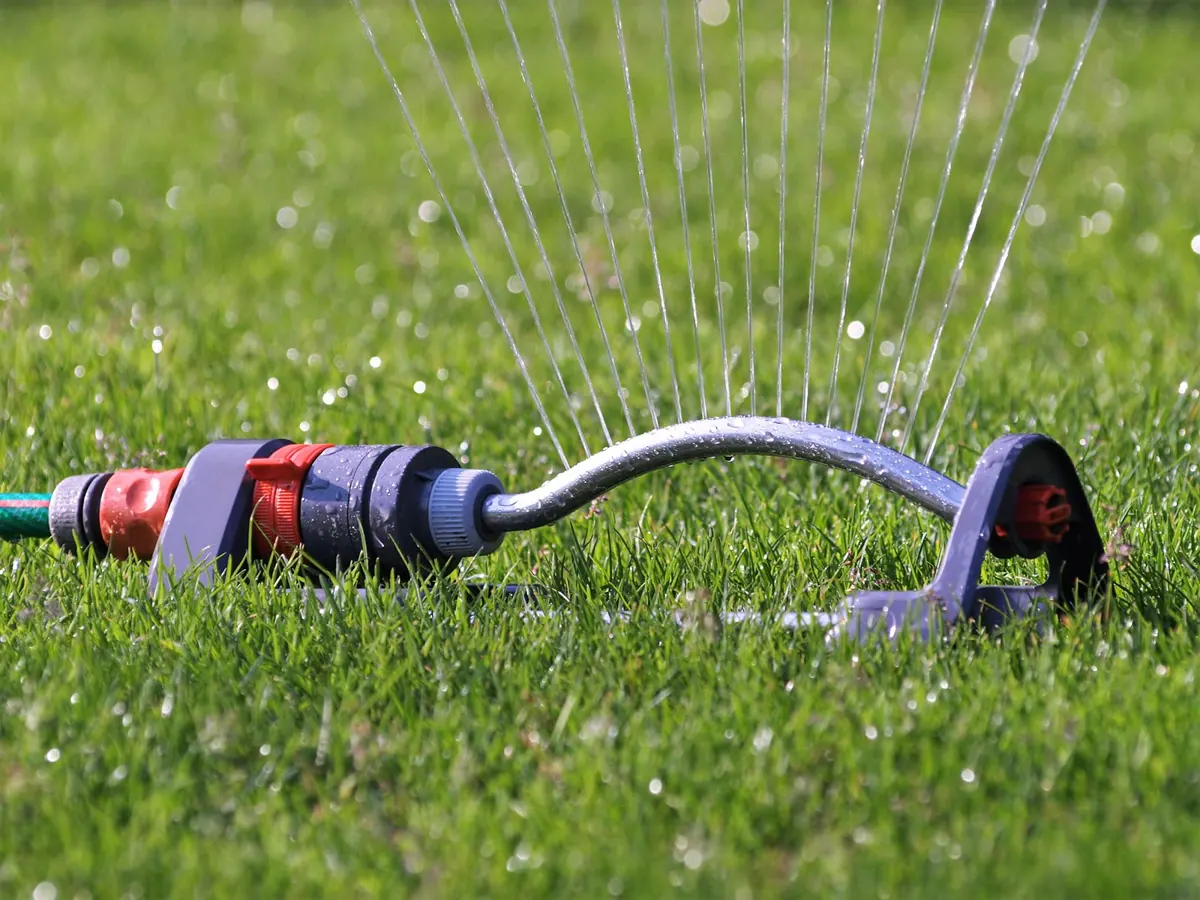
Without WQA, heavy summer watering can raise sewer charges even though much of that water never reaches the sewer system.
WQA is designed to make sewer billing reflect primarily indoor use, rather than peak seasonal irrigation.
How It Affects Sewer Billing
If adopted and implemented as described in the ordinance and policy:
• Residential sewer use would be based on the December, January, and February average
• That winter average would remain in place for a 12-month billing period
• The implementation month would be set by Utility Billing
• New residential accounts would use a citywide winter average until they have enough billing history
• Dedicated irrigation, fire line, and portable meter customers would not have corresponding sewer use tied to those meters
• Commercial and industrial accounts would generally continue to track metered water use unless a deduct meter is approved
Exceptions and Leak Adjustments
The city’s policy allows customers to request a review if winter usage was distorted by issues such as:
• documented leaks
• service line failures
• other qualifying abnormal conditions
The policy states that requests must include supporting documentation and that customers have a 60-day window after notification of the winter average to seek review.
When It Would Take Effect
The ordinance states that it becomes effective after passage.
WQA would then be calculated from December, January, and February readings and applied for a 12-month billing period beginning with the annual implementation month set by Utility Billing.
Where It’s on the Agenda
City Council Meeting
Monday, January 12, 2026
Princeton Municipal Center
2000 E Princeton Drive
Why This Matters for Residents
If adopted, the ordinance would change how many Princeton households experience sewer billing throughout the year.
Instead of sewer charges rising alongside summer irrigation, bills would be tied more closely to winter indoor water use, making charges more stable and, for many households, more reflective of what actually enters the sewer system.