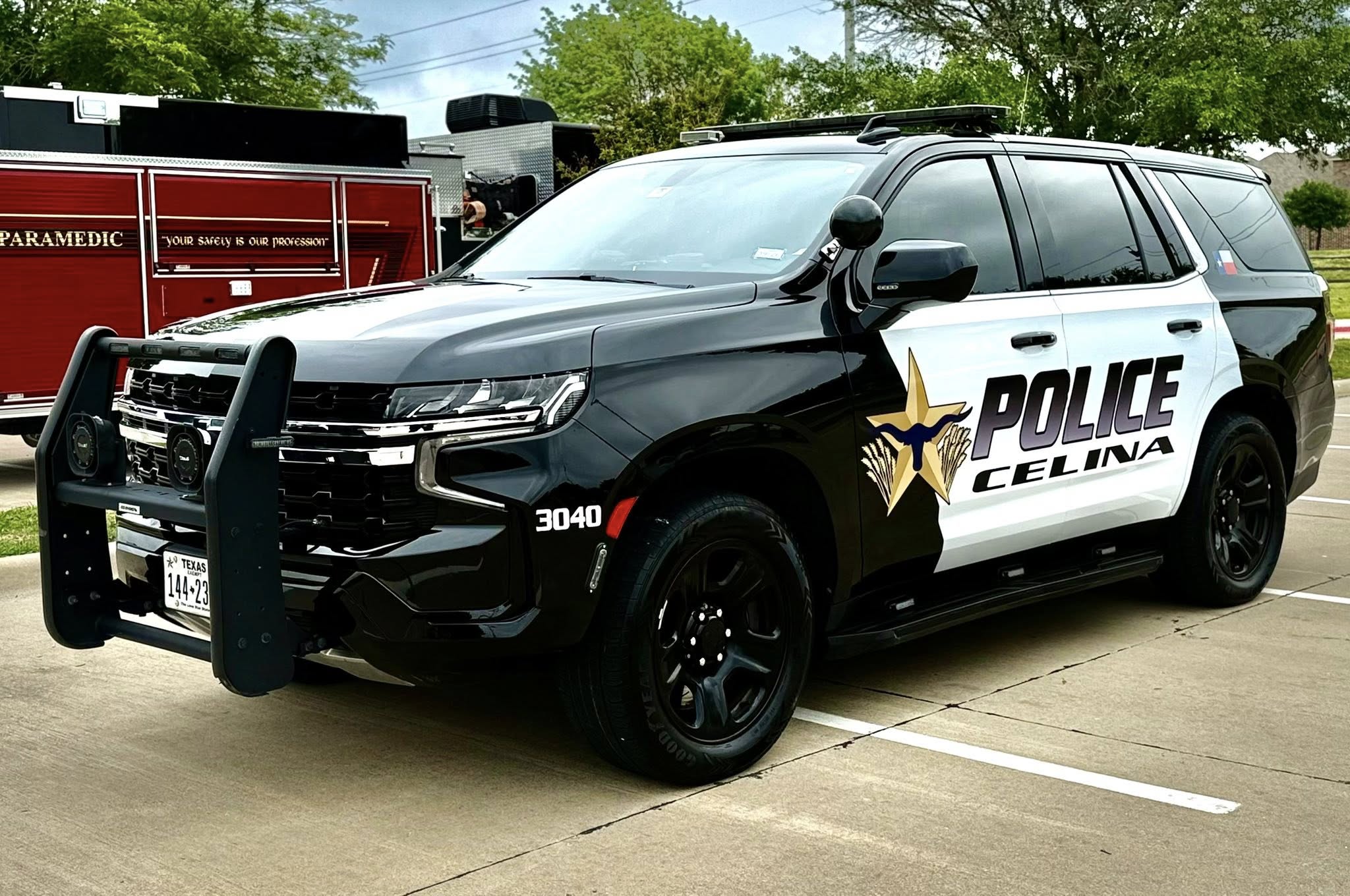
If you have seen patrol cars near school pickup or watched officers work a major crash scene on an arterial road, you already know what fast-growth policing looks like.
Traffic problems become policing problems.
Quick Read
- Celina Police reported 25,664 calls or cases responded to in 2024.
- The department reports 58 sworn officers and seven civilian support members.
- Serious roadway incidents remain a visible part of the city’s public-safety workload.
- Growth is increasing the number of moving parts officers have to manage at once.
The Defining Number
The number that best captures the department’s load is 25,664, the reported count of calls or cases responded to in 2024.
That is the baseline residents should use when thinking about what continued growth means for response and patrol coverage.
What the Recent Incidents Show
Recent public updates underscore how strongly roadway conditions now shape police workload.
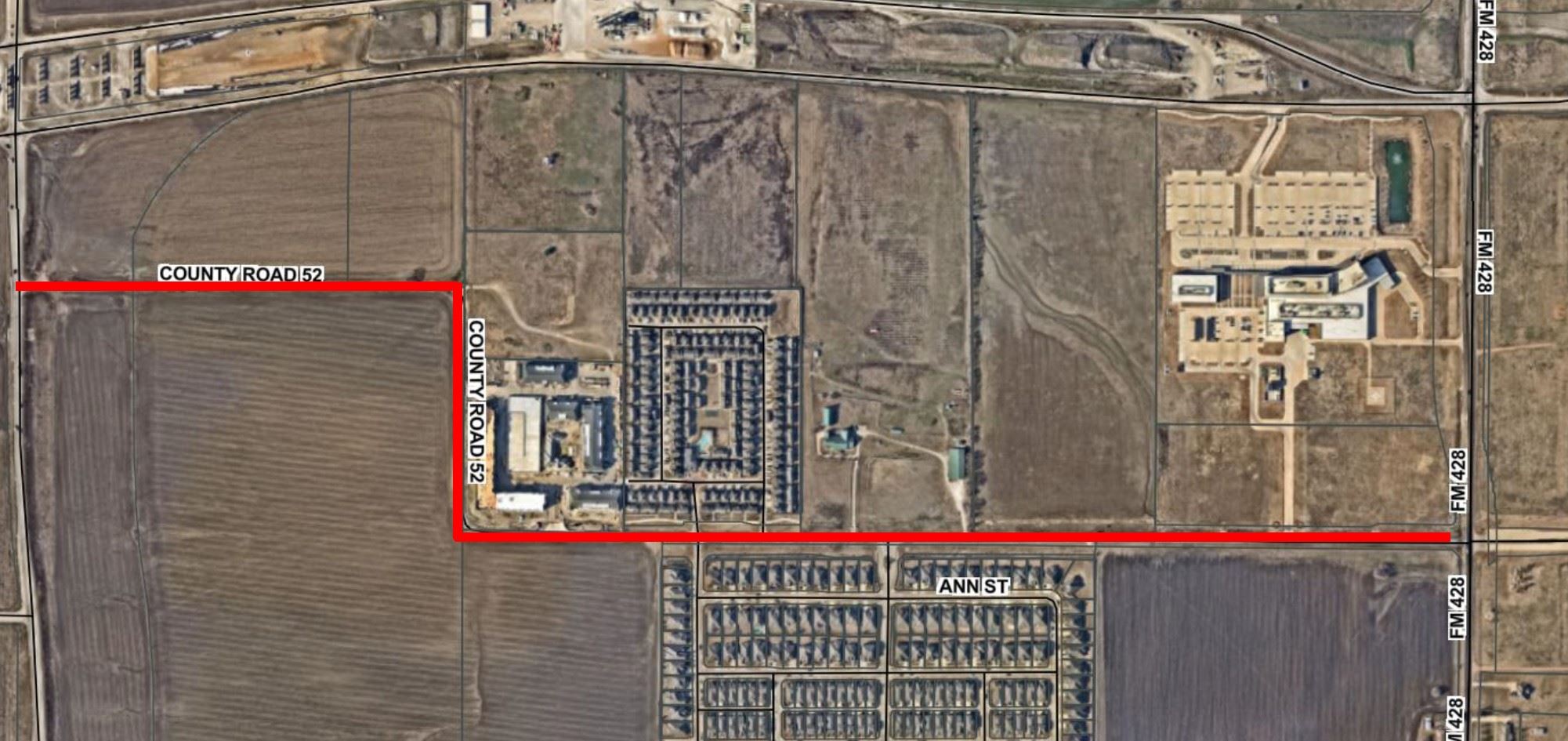
In February 2026, police reported responding to a fatal motorcycle crash in the 15500 block of FM 428 near Creekview Meadows Avenue. In March 2026, the department publicly reported an arrest in a fatal pedestrian hit-and-run investigation.
Those are high-visibility incidents, but they also point to a broader pattern: as traffic volume rises, crash response consumes more officer time.
Why It Matters
Residents can feel “less covered” even if crime does not spike dramatically.
That happens when more officer time is absorbed by:
- crashes
- traffic control
- roadway enforcement
- follow-up investigations
- mobility-related calls
The result is a policing system increasingly shaped by circulation problems rather than only traditional crime narratives.
The Larger System
Road construction, residential buildout, and police deployment are not separate systems. They are one system.
When roads close, traffic is rerouted. When traffic is rerouted, crash patterns change. When crash patterns change, patrol allocation changes too.
That is why public safety in a growth city is often about road design as much as officer count.
Bottom Line
Celina’s police workload is being shaped heavily by growth, traffic, and crash response.
If the city keeps adding vehicles faster than it adds predictable circulation, officers will continue to spend more time doing mobility triage, and residents will feel the cost in slower coverage and more daily friction.