If you live near Preston, the Tollway, or the Outer Loop corridor, you may have noticed the conversation changing.
The question used to be, “Which subdivision is that?”
Now it is often, “What is that site going to be?”
Over the last several months, Celina’s public notices and zoning actions suggest a meaningful pivot in the development pipeline. The city is not only accommodating residential growth. It is also organizing space for larger commercial and industrial uses that carry different traffic, employment, and neighborhood effects.
Quick Read
- A warehouse-scale project appears in the public record with a defined building size and parking count.
- Celina has moved to permit heavy industrial uses in nonresidential districts through a special use permit process.
- “Industrial via permit” shifts land-use debates from abstract planning maps to direct corridor-level effects.
- Residents should expect more hearings, not fewer, as this development mix evolves.
The Defining Number
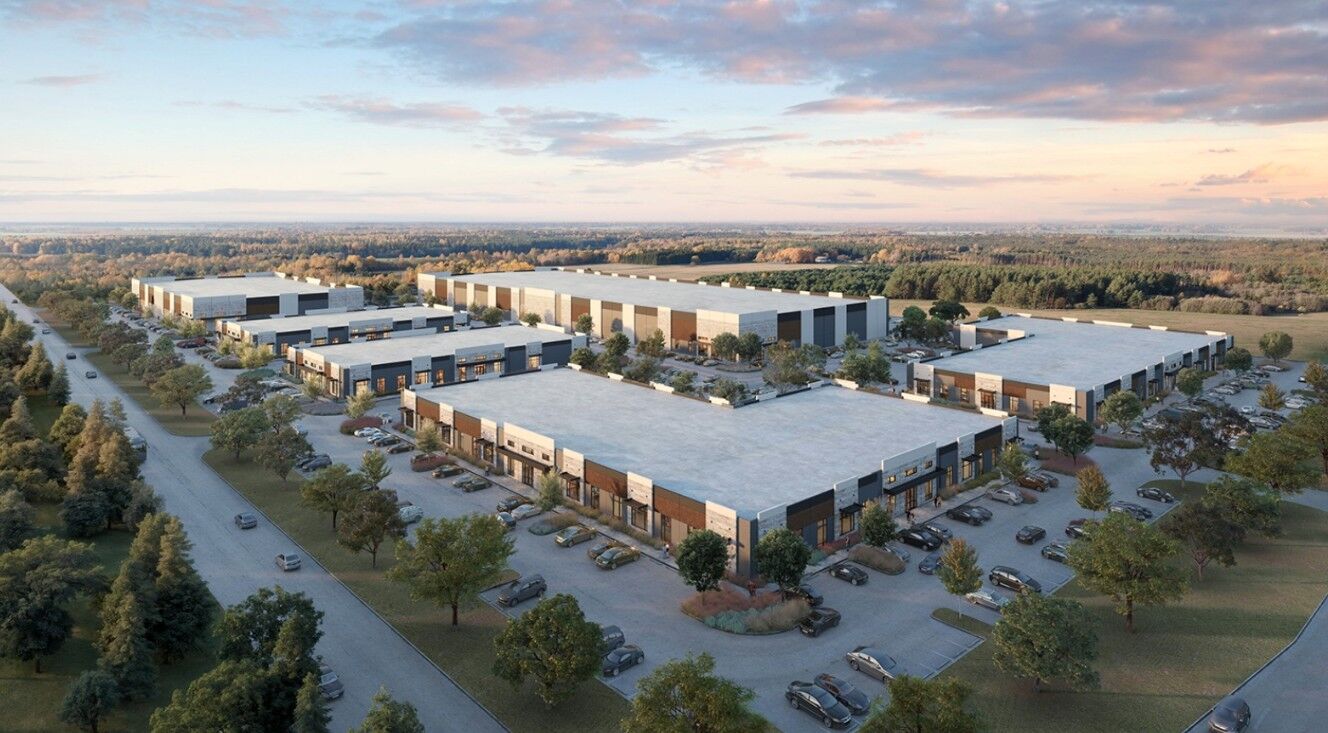
The number that best captures the shift is 195,568 square feet, the warehouse building size identified in a public hearing notice for Uptown Commerce Center, along with 892 parking spaces.
That footprint is large enough to signal more than one isolated project. It points to a corridor strategy.
What the Records Show
The city’s permit and zoning framework shows Celina is using the special use permit process to decide where higher-impact uses may locate and under what conditions.
The city also amended its zoning ordinance to allow heavy industrial uses by permit in nonresidential districts, a move described as being connected to state-level housing law changes affecting multifamily and mixed-use planning.
That matters because it moves the core resident impact away from broad long-range planning language and into real approval fights over:
- truck routes
- turning movements
- noise
- corridor congestion
- parking and enforcement
Why It Matters
The same growth that is producing apartments, neighborhoods, and schools also creates demand for logistics space, service yards, and larger commercial formats.
That is not ideological. It is structural.
If a warehouse-scale project moves forward, the effects will be practical:
- different peak traffic patterns
- heavier corridor use
- more questions about enforcement
- more land-use hearings with immediate neighborhood consequences
The Larger System
Celina is trying to grow without becoming only a residential city. That usually means balancing multiple tax-base categories:
- housing
- retail
- employment-generating uses
The tool the city uses to manage that balance is discretionary land-use approval. That makes hearings more important than many residents assume.
Bottom Line
What looks like a single warehouse hearing is really part of a broader land-use transition.
If residents care about how industrial and logistics uses shape traffic, sound, and corridor character, the early permit and hearing phase is the only phase where they still have real leverage.