If you have ever been late because a short local road suddenly turned into a barricaded detour, you already understand how infrastructure reaches residents.
It is not a line item. It is a route change.
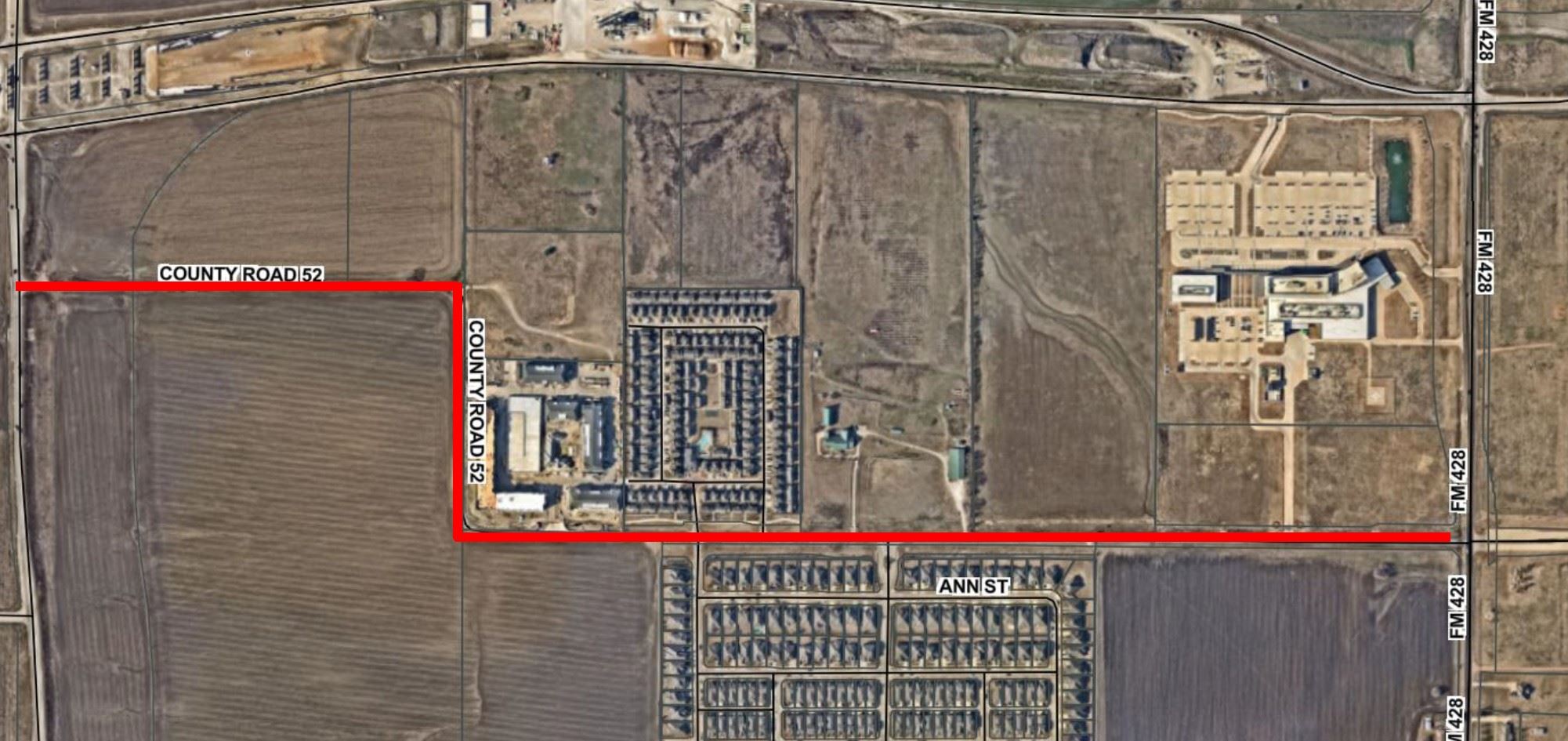
In early 2026, Celina’s County Road 52 reconstruction offers a clear picture of how the city is now managing road work. The project page does not just describe construction. It lays out phases, closure windows, and access routes for affected neighborhoods.
Quick Read
- The CR 52 project has a published budget, timeline, and phased closure plan.
- Neighborhood access is mapped through FM 428 or the Outer Loop depending on the phase.
- The project includes drainage improvements and full-depth reclamation, not just surface work.
- This is likely the template residents will see repeated on other corridors as growth continues.
The Defining Number
The defining number is $2,615,400, the city’s stated estimated total cost for the CR 52 reconstruction.
That price tag reflects a full rebuild strategy, not simple maintenance.
What the Project Includes
The published scope covers about 6,600 linear feet of work and includes:
- full-depth reclamation
- asphalt overlay
- storm drain pipe installation
- culvert replacement
- striping and signage
The city also treats traffic control as part of the deliverable, not an afterthought. Closure phases are mapped, and neighborhood access routes are spelled out.
Why It Matters
Road reconstruction affects daily life before it improves it.
Residents should expect:
- longer school drop-off routes
- pressure on alternate arterials
- more congestion at surrounding connections
- emergency routing complications during closure phases
The city’s own plan acknowledges disruption and promises ongoing communication. That is now the baseline residents should expect on every major corridor project.
The Larger System
In a city growing as fast as Celina, road rebuilds are increasingly tied to drainage, safety, and long-term capacity.
That is why full-depth reclamation matters. It is a rebuild decision, not a patching decision. A city that chooses full reconstruction is signaling that it expects the corridor to remain under long-term load.
Bottom Line
The CR 52 project is not just about one road. It is a clear example of what 2026 infrastructure policy looks like in Celina: rebuild now, manage closures publicly, and accept short-term disruption to avoid longer-term failure.
If projects like this fall behind schedule, the “temporary” detour pattern can quickly become the new normal.