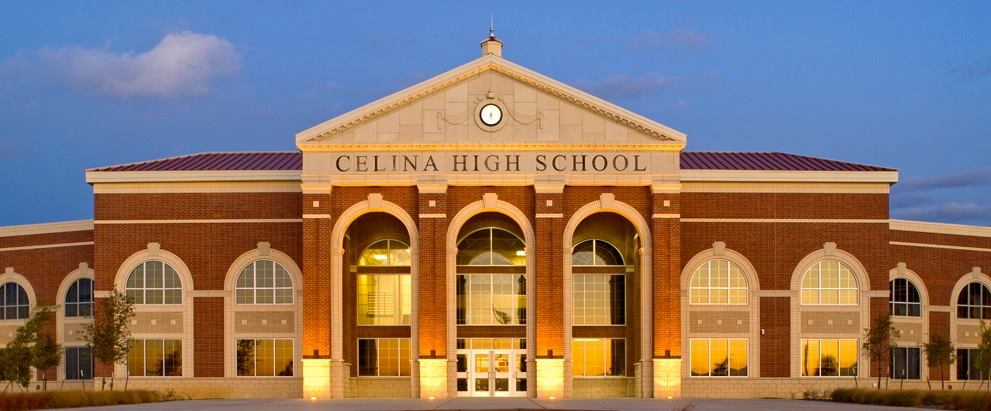
If you have heard that a campus is full and then watched a new neighborhood rise nearby, you already understand the school version of growth.
It appears first in schedules, boundaries, and pressure on existing campuses long before ribbon cuttings solve it.
Quick Read
- Celina ISD voters approved a $2.295 billion bond program in May 2025.
- The district says the bond funds at least 11 new buildings plus renovations and districtwide upgrades.
- Willard Middle School is listed in progress with a Fall 2026 opening target.
- Grade configuration changes are also part of the district’s response to capacity strain.
The Defining Number
The defining number is $2.295 billion, the bond program approved by Celina ISD voters.
That figure tells residents this is not a one-campus response. It is a multi-year capacity strategy.
What the Documents Show
The district’s project tracking and related reporting show the bond is already operating as the district’s working reality.
Public materials indicate:
- Willard Middle School is in progress for Fall 2026
- another elementary campus is in progress for Fall 2027
- the board has approved maximum price structures tied to additional new schools
- grade-level realignment is part of the near-term management plan
That means construction and operational reconfiguration are happening at the same time.
Why It Matters
For families, this is not only about new buildings.
It also means:
- boundary discussions
- changing feeder patterns
- possible reassignment windows
- capacity pressure before openings are complete
The period between project approval and campus opening is often the most disruptive period for families.
The Larger System
The district is using two levers at once:
- construction as the hardware solution
- grade and campus configuration as the operational workaround
That is typical in fast-growth districts where the physical solution takes years but student growth continues monthly.
Bottom Line
Celina ISD is already operating inside a multi-year buildout cycle.
Residents should track both construction timelines and operational changes, because the district’s biggest risk is a double-disruption period where families are asked to adapt before the promised physical relief arrives.