If you have ever driven out of town with a sick child or an urgent medical issue, you already know the hidden cost of a fast-growing city without enough healthcare capacity nearby.
That cost is measured in travel time.
Quick Read
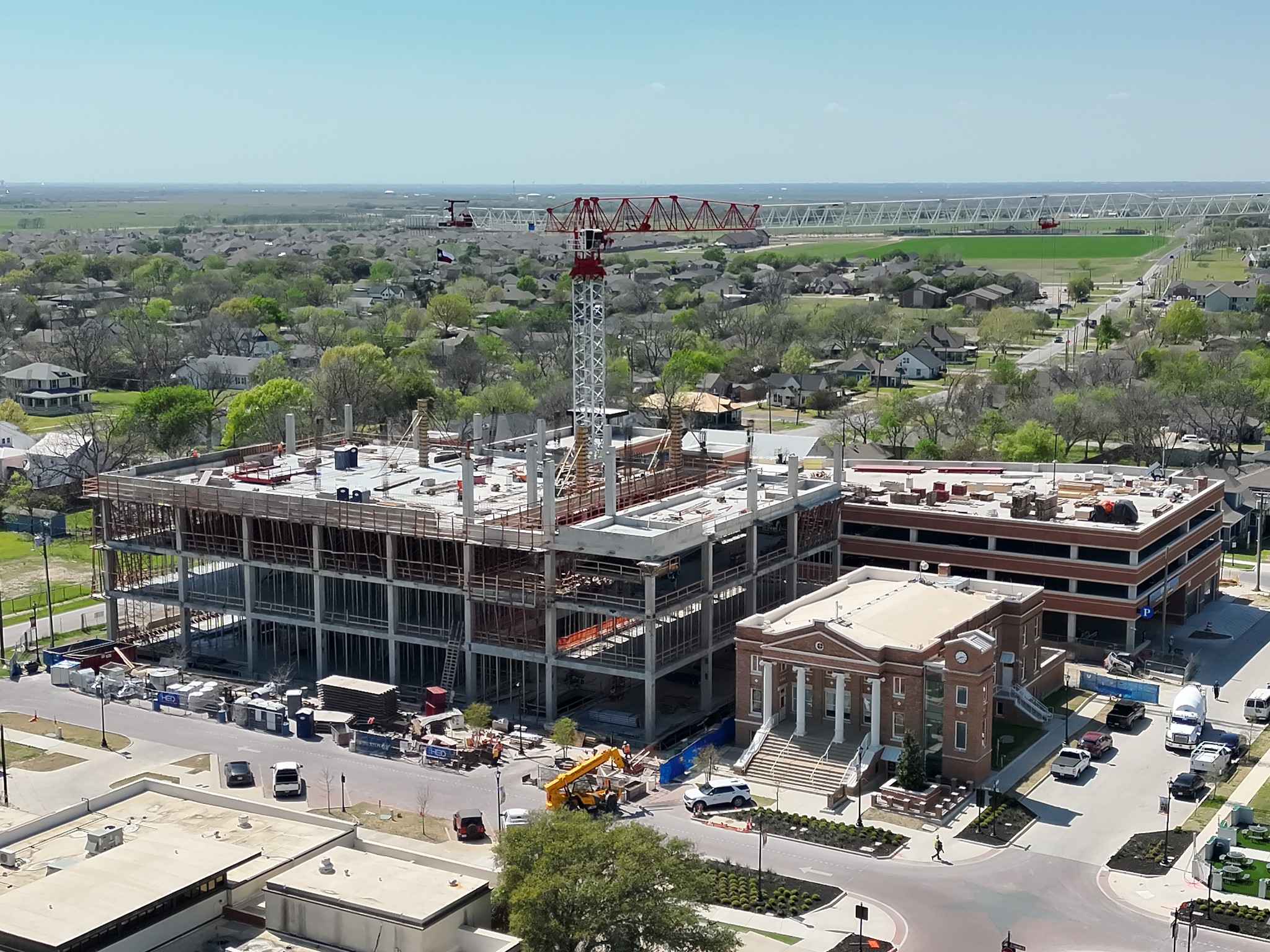
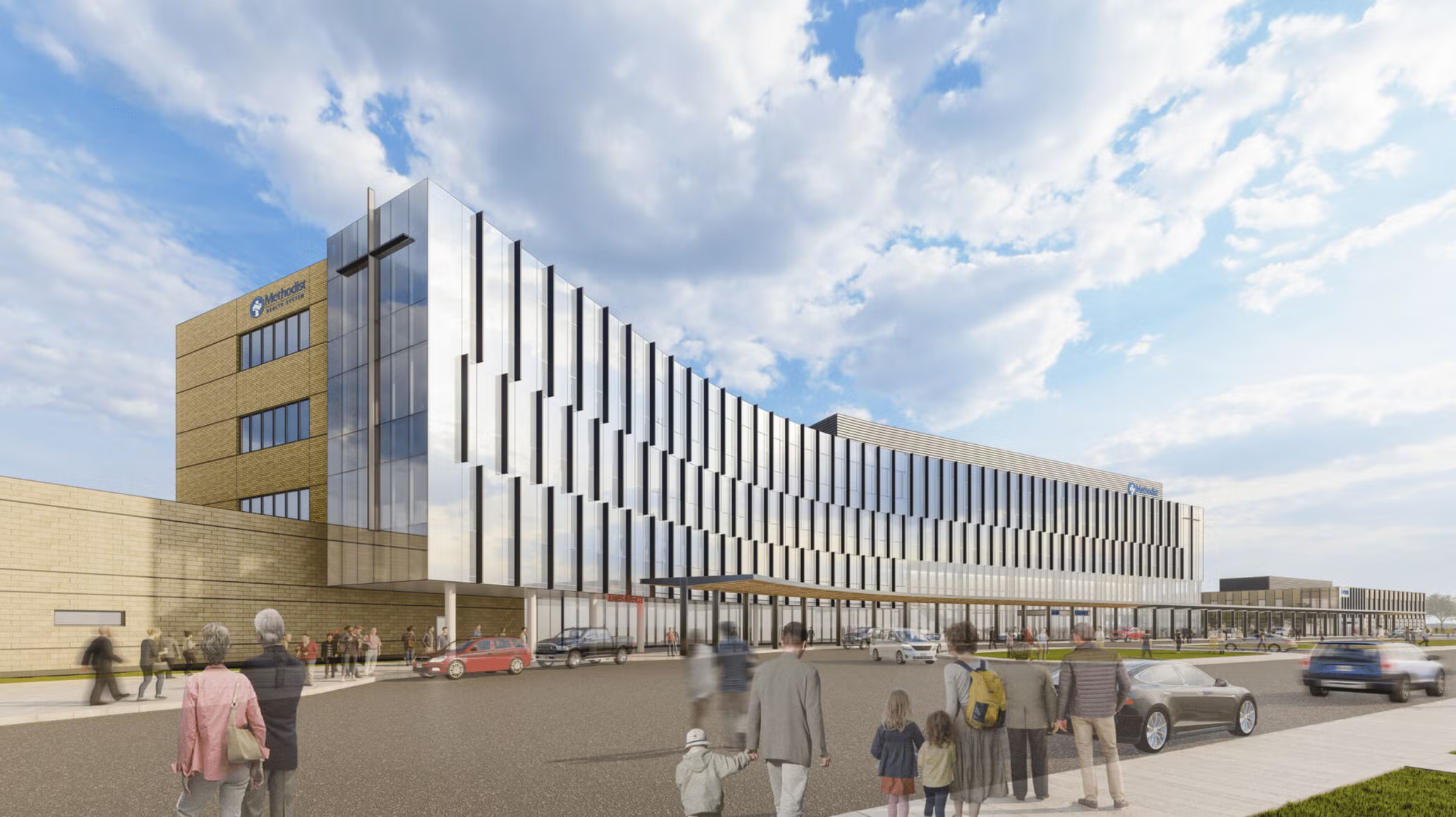
- Celina’s first full-service hospital opened in March 2025.
- Methodist Health System described the project as a $237 million investment.
- Texas Health Resources also opened a Breeze Urgent Care center in Celina in April 2025.
- Additional healthcare providers continued opening into 2025, showing a broader service stack is forming.
The Defining Number
The defining number is $237 million, the reported investment tied to Methodist Celina Medical Center.
That number matters because it signals that local healthcare access is no longer limited to a clinic-only model.
What Has Changed
Celina is moving from a city where many residents had to drive elsewhere for care toward a layered local access model.
The stack now includes:
- a full-service hospital
- urgent care with extended daily hours
- additional primary and specialty provider expansion
That does not mean every healthcare problem is solved. But it does change the geometry of emergency access and routine care.
Why It Matters
The most immediate impact is on:
- time to care
- emergency stabilization access
- ambulance out-of-service time caused by distant transports
- resident convenience for non-emergency visits
In a fast-growth city, that matters because health demand rises with rooftops just as surely as school demand and traffic demand do.
The Larger System
Healthcare expansion usually follows population density, insurance coverage, and corridor access.
Celina’s hospital and urgent care buildout fits that pattern. As the city grows, systems are betting that local demand can now support more on-site care instead of forcing residents into longer regional trips.
Bottom Line
Celina is no longer in the same healthcare position it was before 2025.
The city now has the beginnings of a local care network. The next pressure point, if growth continues, will likely be specialty access and appointment availability rather than whether a healthcare building exists at all.