



For most parents, this debate does not start in Austin. It starts with a much simpler question.
What, exactly, could my child be required to read in a public school classroom, and who decided that should be mandatory?
That is why this issue is drawing real attention. It is not just another state board argument. It reaches directly into curriculum, religion, and the state’s power to decide what every public school student is expected to encounter.
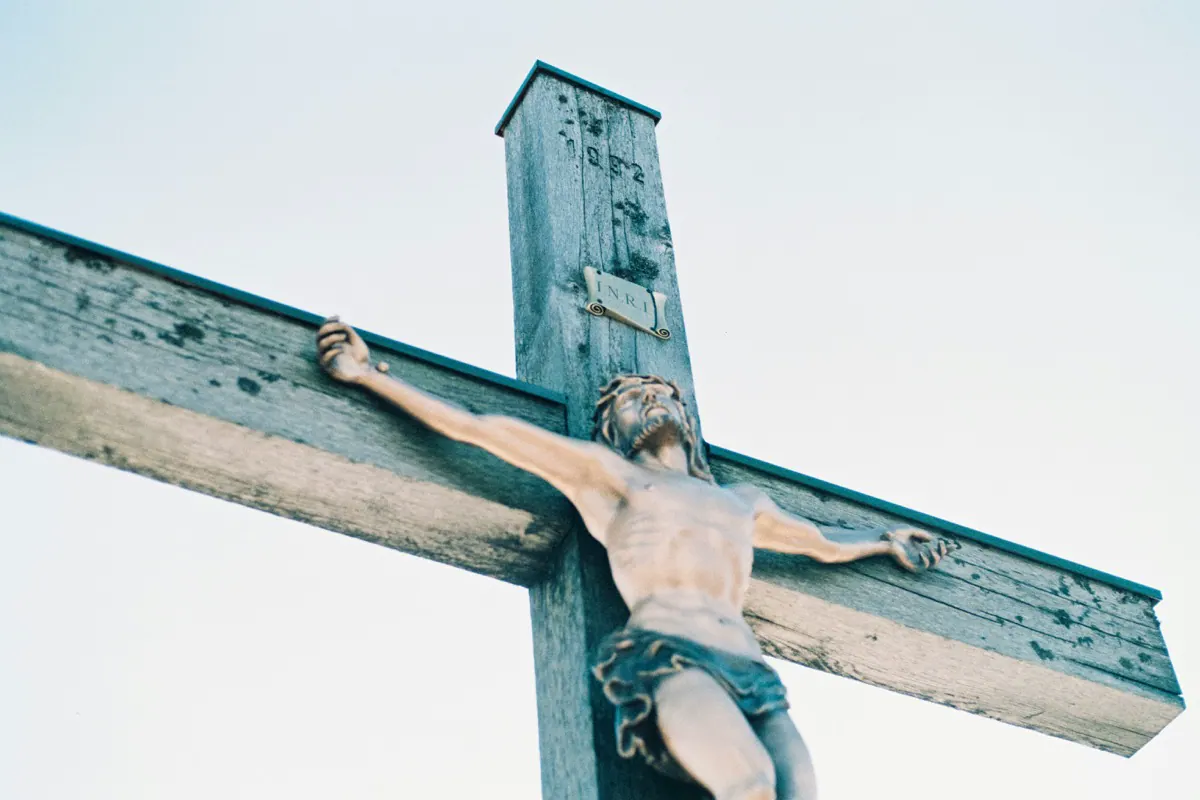
On April 9, the Texas State Board of Education gave preliminary approval to a statewide required reading list that includes Bible material. The board voted 9 to 5. Final approval is expected in June. The Texas Tribune reported that the list, if finally adopted, would be mandatory for public schools statewide beginning in 2030. AP reported that the proposed material includes stories such as Jonah and the whale.
Quick Read
- The Texas State Board of Education gave preliminary approval to the reading list on April 9 in a 9 to 5 vote. Final approval is expected in June.
- The proposal includes Bible passages and stories, including Jonah and the whale, according to AP.
- The Texas Tribune reported the list would be mandatory statewide starting in 2030 if it is finally adopted.
- AP reported the proposal drew overflow crowds and demonstrations, a sign that this is already larger than a routine curriculum update.
The Core Issue
The central issue here is not one story or one excerpt. It is who gets to make religious material mandatory in a public school setting.
Texas has had curriculum battles before. It has had textbook battles. It has had long arguments over what should be emphasized, omitted, revised, or challenged. But this proposal enters a different lane because it would create a required statewide reading framework and place Bible material inside it. That is why the reaction has been sharper. Supporters see cultural literacy and historical grounding. Critics see state-imposed religious content in public education.
Why This Feels Bigger
The board’s action also did not happen in a vacuum.
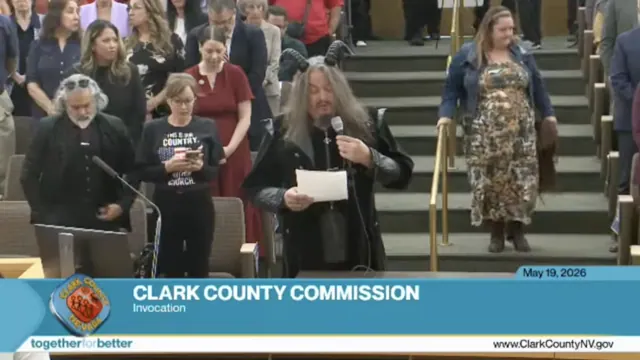
The Tribune reported that an earlier version of the proposal drew criticism for being too long, lacking diversity, and emphasizing Christianity. AP reported that protesters gathered outside and that the issue drew an overflow crowd. In other words, this was not a quiet procedural step. It was a signal that a state curriculum debate had moved into broader public conflict.
That matters for Collin County because this is the kind of decision people often misread as someone else’s fight. It is not. Families in Prosper, Celina, Anna, Melissa, and Princeton do not vote on the State Board of Education every time a proposal changes, but if the state gives final approval in June, they will still live under the result.
Why It Matters Locally
Parents will ask what is required. Teachers will need clarity on what is mandatory and what is not. District leaders will need to explain the difference between a proposal, a final rule, and implementation timelines.
That distinction matters right now because confusion is already part of the story. A lot of people hear “Bible in public schools” and immediately assume one of two things: either it is already happening, or it is only optional. The current proposal sits in a more consequential middle ground. It is not final yet, but it is not hypothetical either.
Bottom Line
The key date now is not 2030. It is June.
That is when this stops being a debate over a proposal and starts becoming a decision with statewide consequences. If you are a parent, teacher, or district leader, this is the stage to understand what is being proposed before it becomes final.