



If the last few trips to the gas station felt heavier than they should, that is because they were.
For a lot of families in Collin County, gas is not some background expense. It sits inside almost every routine: work, school, practices, appointments, church, groceries, and weekend driving. In suburbs built around movement, a higher number at the pump does not stay at the pump for long.
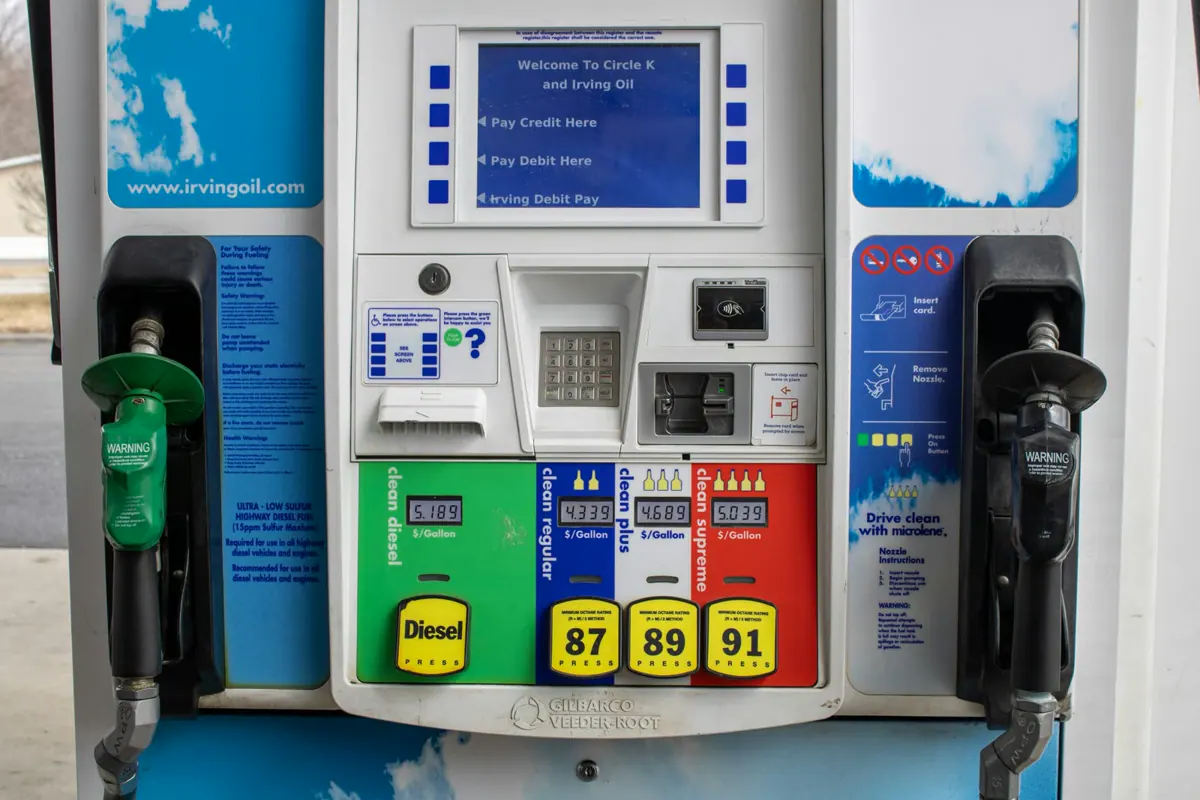
As of April 18, AAA listed regular gas at an average of $3.576 in Dallas and $3.578 in Fort Worth-Arlington. Texas stood at $3.688. The national average was $4.058. Those numbers are slightly below where they were a week earlier in Dallas and Fort Worth, but they remain elevated, and the market behind them is still unstable.
Quick Read
- Dallas area regular gas averaged $3.576 on April 18. Fort Worth-Arlington was at $3.578. Texas averaged $3.688. Nationally, the average was $4.058.
- The recent shock has centered on the Strait of Hormuz, a narrow waterway that normally carries about one fifth of global oil and petroleum liquids consumption and more than one quarter of the world’s seaborne oil trade.
- Reuters reported on April 17 that even after Iran said the strait was open again, many vessels still halted or turned back because shipping firms wanted more clarity on safety, routing, and mine risk.
- Reuters also reported that Washington extended a waiver allowing some countries to keep buying Russian oil through May 16 after pressure from countries dealing with Iran war price shocks, a sign that officials are trying to keep energy markets from tightening further.
The Defining Number
The number that defines this story is one fifth.
That is the share of the world’s oil and petroleum product consumption tied to the Strait of Hormuz, according to the U.S. Energy Information Administration. When that chokepoint becomes unstable, the effects do not stay overseas. They move through shipping routes, insurance decisions, oil markets, refinery planning, and eventually into places like Prosper, Celina, Anna, Melissa, and Princeton, where daily life is built around driving.
Why This Is More Than a Routine Swing
That is what makes this more than a routine price swing.
Reuters reported this week that after Iran announced the strait was reopening during a ceasefire window, about 20 vessels started moving toward it, but most halted or turned back. Shipping firms were still seeking assurances on safe lanes, coordination rules, and the threat posed by sea mines. A separate Reuters report cited a U.S. Navy advisory warning that the mine threat in parts of Hormuz was not fully understood.
That is the distinction people need to understand right now. A waterway can be “open” and still not be functioning normally.
In other words, the headline can cool down before the market actually does. Reuters reported that oil fell sharply Friday after news of the reopening, but that did not mean confidence had fully returned. It meant traders were reacting to the possibility of improvement while ship operators were still acting cautiously in the real world.
Why It Matters Here
That gap matters because North Texas does not control the global oil market. It absorbs it.
For readers here, the issue is not only that gas got expensive. It is that the conditions that pushed it up have not fully settled. In Collin County, households cannot easily choose not to drive. Families often cover long distances across U.S. 75, the Dallas North Tollway, and U.S. 380 just to maintain normal life. A rise of even a few cents per gallon compounds quickly when driving is constant and optional trips are not really optional.
There is also a broader signal inside the federal response. Reuters reported Saturday that the Trump administration renewed a waiver for some Russian oil purchases after countries pushed for relief from price shocks tied to the Iran war. That move does not solve the underlying problem, but it does suggest policymakers are trying to prevent a tighter supply squeeze from making fuel costs worse.
Bottom Line
Drivers are caught between two realities.
One is that prices pulled back slightly from the recent spike. The other is that the structure underneath the market still looks fragile. If ship traffic through Hormuz resumes cleanly and safely, the pressure may continue easing. If it does not, or if the conflict widens again, North Texas drivers could find that what felt bad this month was only the first round.
That is the part worth watching now. Not just the number on the sign. The system behind it.