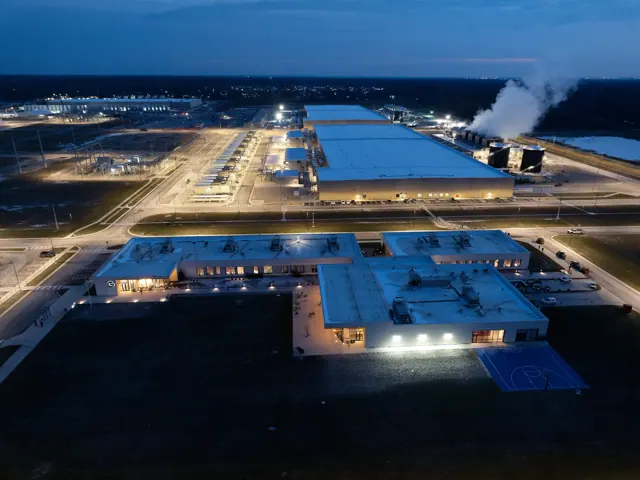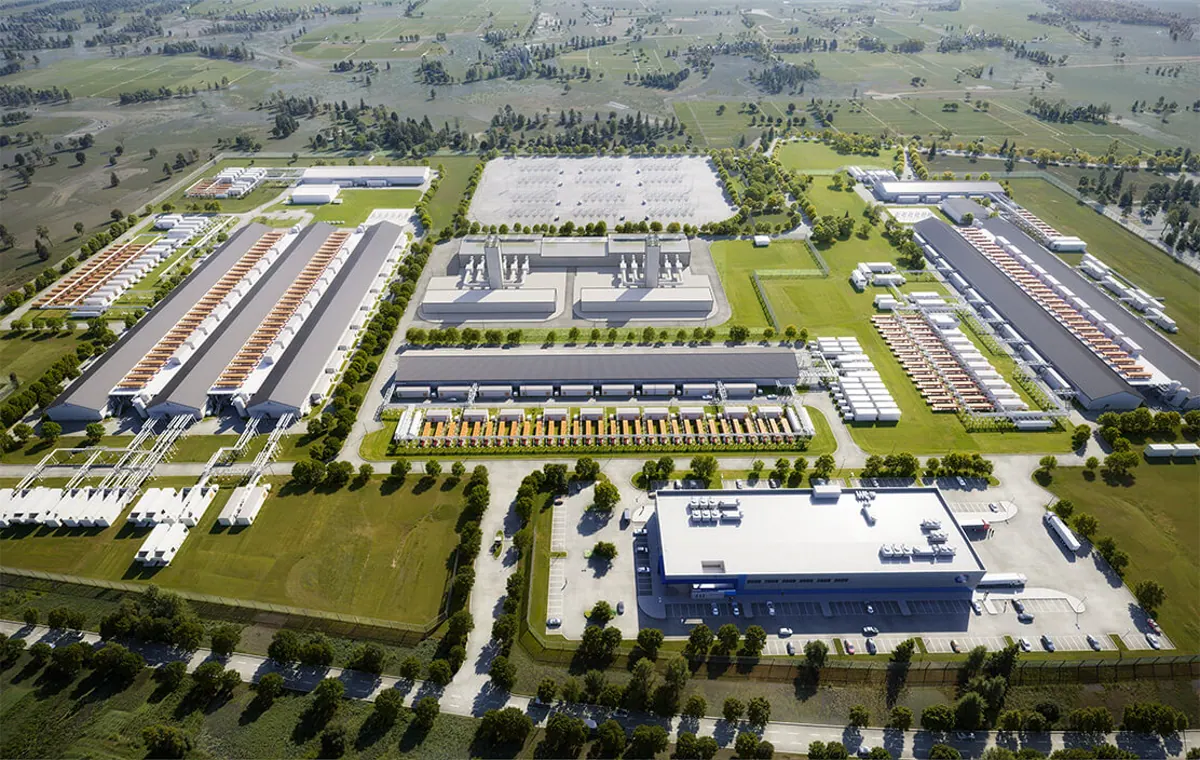




The next major growth fight in Texas may arrive as a windowless industrial box full of servers.
Data centers are exploding across Texas because artificial intelligence, cloud computing, finance, health care, defense, streaming, and every major digital system now need massive computing capacity. North Texas is already part of that buildout.
Plano has a $700 million data center project tied to AI firm Lambda and Aligned Data Centers. Allen has CyrusOne data center activity. ERCOT says large-load customers include data centers, cryptocurrency mining, industrial demand, and oil and gas processes.
The machines are coming. The power demand is coming with them. Residents need to know what is being traded before the deals are already done.
Quick Read
- Data centers are part of Texas’ fast-growing large-load electricity demand.
- ERCOT says Texas’ growth is reshaping how large load demand is identified and planned.
- EIA says ERCOT electricity demand continues to rise from data center buildout, crypto mining, industrial activity, and oil and gas.
- Texas offers sales-tax exemptions for qualified large data center projects that meet size, investment, and job requirements.
- Collin County needs standards now, before every city negotiates these projects one by one and residents find out after the fact.
Why They Are Coming
Texas has what data centers want: land, business-friendly government, energy infrastructure, tax policy, fiber, corporate users, and room to build.
The pro-growth argument is obvious.
These projects can bring major capital investment, construction work, technology infrastructure, local tax base, and regional prestige. They help power the systems people use every day: search, banking, health records, cloud software, defense tools, and AI.
No serious county can pretend the digital economy does not matter. AI, cloud computing, banking, medical records, national security, and daily life all run through data infrastructure.
That sales pitch leaves out what residents will actually live with.
What Residents Will Feel
Most residents will never walk inside a data center. They may never meet the executives. They may never see the tax agreement until it is already moving.
They may still feel the project through land use, substations, transmission lines, backup generators, construction traffic, water planning, power demand, noise concerns, tax incentives, and the question of whether a huge facility actually produces enough permanent local jobs to justify the deal.
Texas Comptroller rules allow qualified large data center projects to receive sales-tax exemptions if they meet requirements, including at least 250,000 square feet, at least $500 million in capital investment over five years, and at least 40 qualifying jobs in the county.
That is the tradeoff in one sentence: huge investment, relatively few permanent jobs, enormous infrastructure needs.
The Grid Question
ERCOT warned in April that Texas is seeing exceptional growth and development that is changing how large-load demand is verified and planned.
The U.S. Energy Information Administration said this week that electricity demand continues to rise in ERCOT because of large loads from crypto mining, data center buildout, industrial activity, and oil and gas.
That matters because ordinary Texans already remember grid stress, conservation alerts, summer demand scares, and winter fear.
Residents do not want to be told to conserve electricity while massive corporate facilities receive special deals and consume power around the clock.
If data centers are coming, they should bring their own reliability plan.
The Water Question
Water use depends on the cooling system.
Some facilities use closed-loop or dry-cooling methods that limit municipal water demand. Others can create real water concerns, especially when indirect water use from electricity generation is counted.
That nuance matters.
Not every data center is the same. But in a fast-growing county where residents already worry about roads, schools, water, and infrastructure, local leaders should not approve projects with vague promises, glossy renderings, and fine-print answers.
What Leaders Should Ask
Before any major data center deal moves forward, cities and counties should ask hard questions in public.
How much power will it need? Who pays for upgrades? How much water will it use directly and indirectly? What backup generation is planned? How loud will it be? How many permanent jobs will actually be created? What tax breaks are requested? What happens during a grid emergency? Can the load be curtailed? What does the surrounding neighborhood get in return?
Those are the questions adults ask before signing away leverage.
They are taxpayer-protection questions.
Why Collin County Should Move First
Collin County is already one of the most important growth corridors in Texas.
If local governments wait until a project is already packaged, staffed with lawyers, and sold as economic development, residents will be forced into a yes-or-no fight too late.
The better move is to set expectations now: transparency, grid responsibility, water disclosure, noise limits, tax-incentive discipline, and clear local benefit.
Bottom Line
Data centers may be necessary infrastructure for the future.
Necessary infrastructure still has to answer to the people who live here.
Collin County should not trade power, water, land, and taxpayer leverage for vague promises about innovation. If data centers want to come here, they should prove they strengthen the county instead of quietly shifting costs onto the people who already live here.
Sources: ERCOT preliminary long-term load forecast release, EIA on ERCOT electricity demand, Texas Comptroller data center tax exemption rules, Dallas Morning News reporting on Plano’s $700 million AI data center, and CyrusOne Allen data center tracker.