Residents experience public safety through time and visibility.
You notice how long it takes for a responder to arrive. You notice whether patrols are present on the roads you use every day.
Quick Read
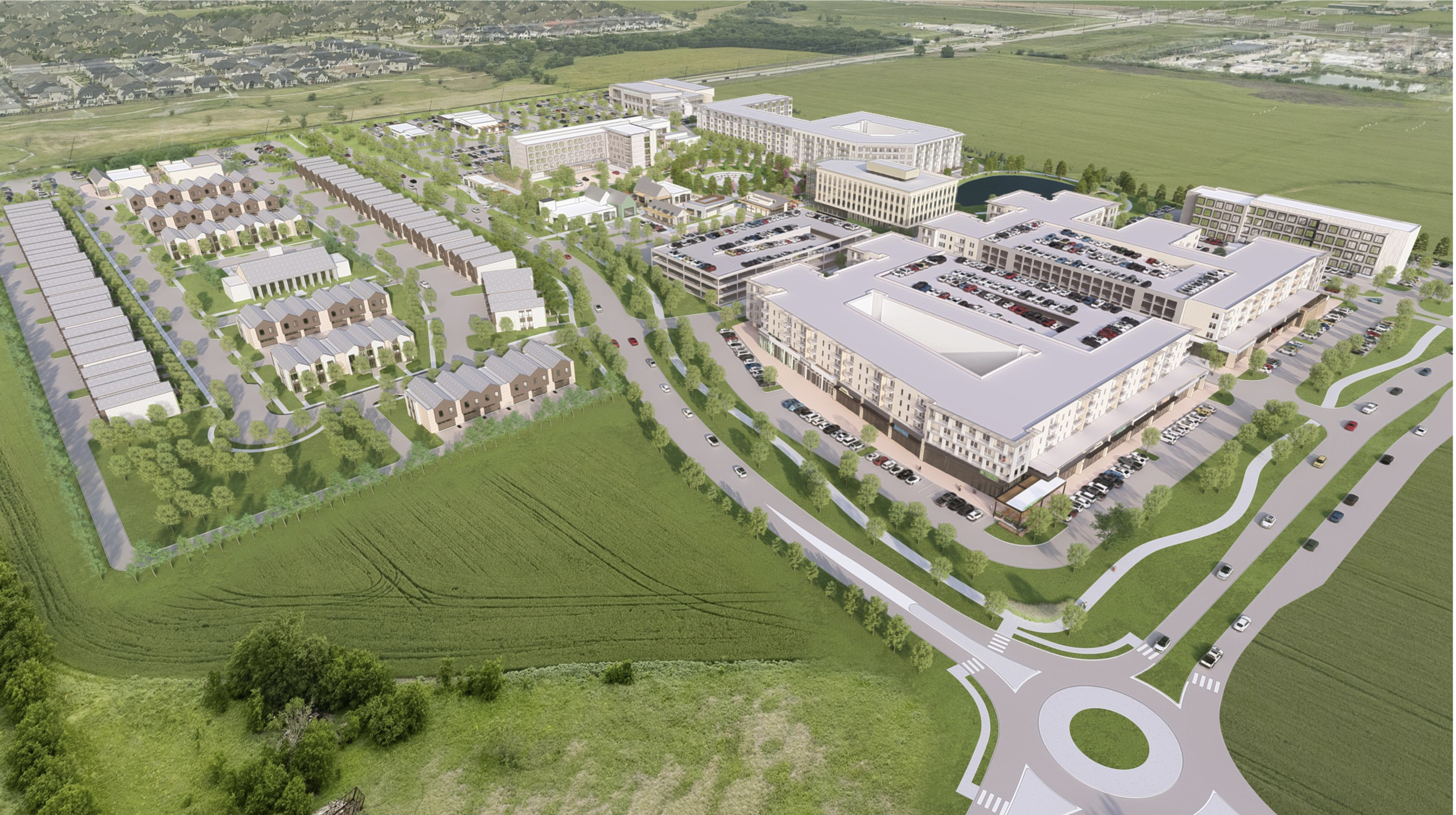
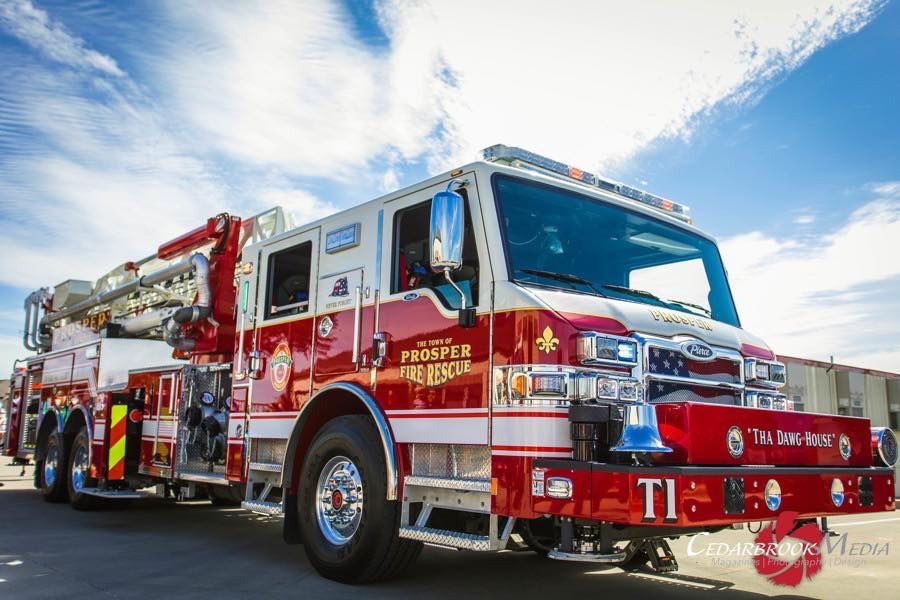
- Prosper’s fourth fire station is described as a 12,000-square-foot facility with five apparatus bays and a $13.8 million budget.
- The stated goal is to improve coverage on the east side of town.
- Prosper Fire Rescue reported 442 calls in October 2025, 393 in November, and 368 in December.
- The Prosper Police Department’s annual racial profiling dataset reports 13,240 total traffic stops.
The Defining Number
The defining number is 13,240, the number of traffic stops reported in the police department’s annual dataset.
That count shows traffic enforcement is functioning as a core safety tool, not a side task.
What the Data Suggests
Prosper’s public-safety documents point to a system managing growth through two main levers:
- station placement and coverage geometry
- high-visibility traffic enforcement
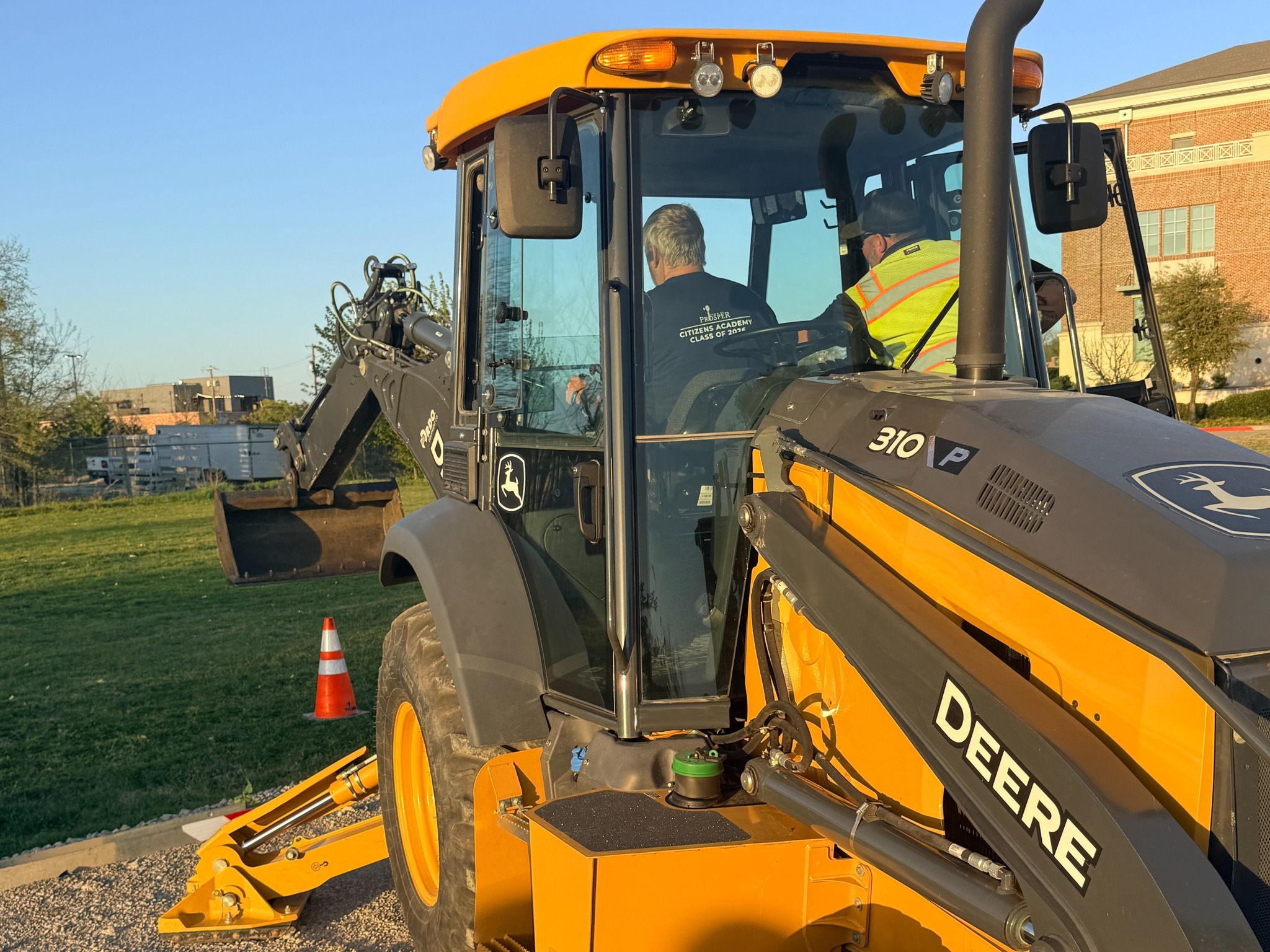
The town is also investing in patrol equipment, including new patrol vehicles and related gear, while the fourth fire station shifts response coverage toward the east side.
Why It Matters
Residents should expect two things to be true at once:
- some areas may see improved fire coverage as the new station comes online
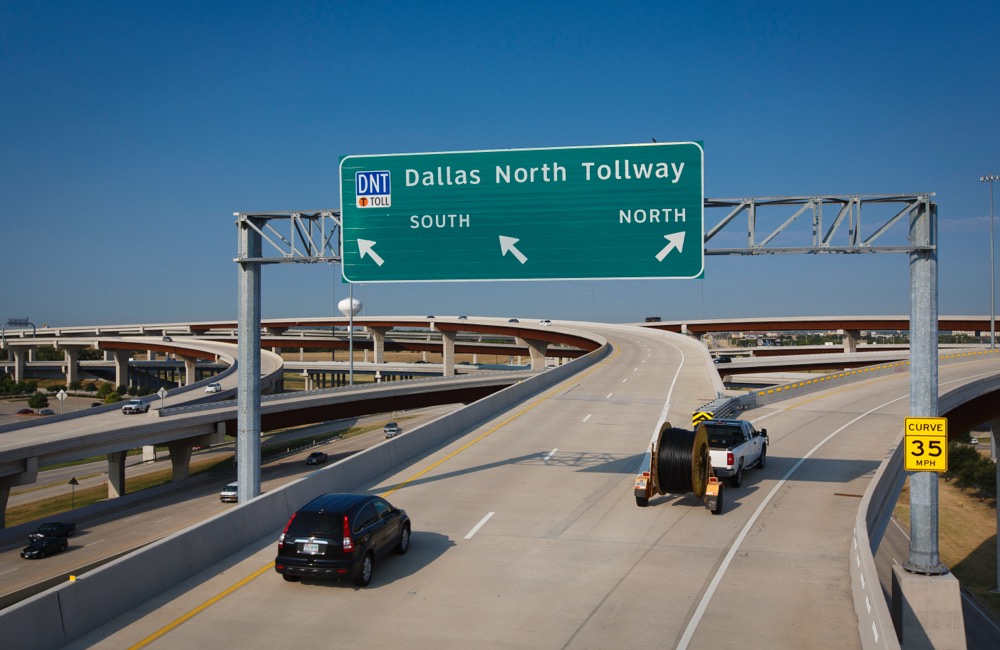
- enforcement may remain highly visible on major corridors where crash risk and congestion remain elevated
That combination is typical in a town where road pressure and housing growth are still rising together.
The Larger System
Public safety in a fast-growth municipality is partly a geometry problem.
Where stations sit determines travel times. Where patrol is concentrated can shape crash trends and incident workload. The documents show Prosper acting on both of those realities at once.
Bottom Line
Prosper’s public-safety system is expanding, but it is doing so inside an environment where growth keeps adding load.
New facilities and more equipment help. But the long-term question remains whether staffing, training, and roadway conditions can keep pace with the next wave of demand.