Residents know a city is entering a different growth stage when empty pads stop being rumors and start becoming destinations.
Prosper’s February development report shows that shift clearly. Non-residential projects are moving through review and permitting at a scale large enough to reshape trip patterns and sales-tax expectations.
Quick Read
- Life Time Fitness appears in the development report at 100,164 square feet.
- A Marriott hotel is listed at 55,200 square feet.
- Prosper Market is listed at 29,513 square feet.
- Restaurant and retail projects continue to move alongside those anchors.
The Defining Number
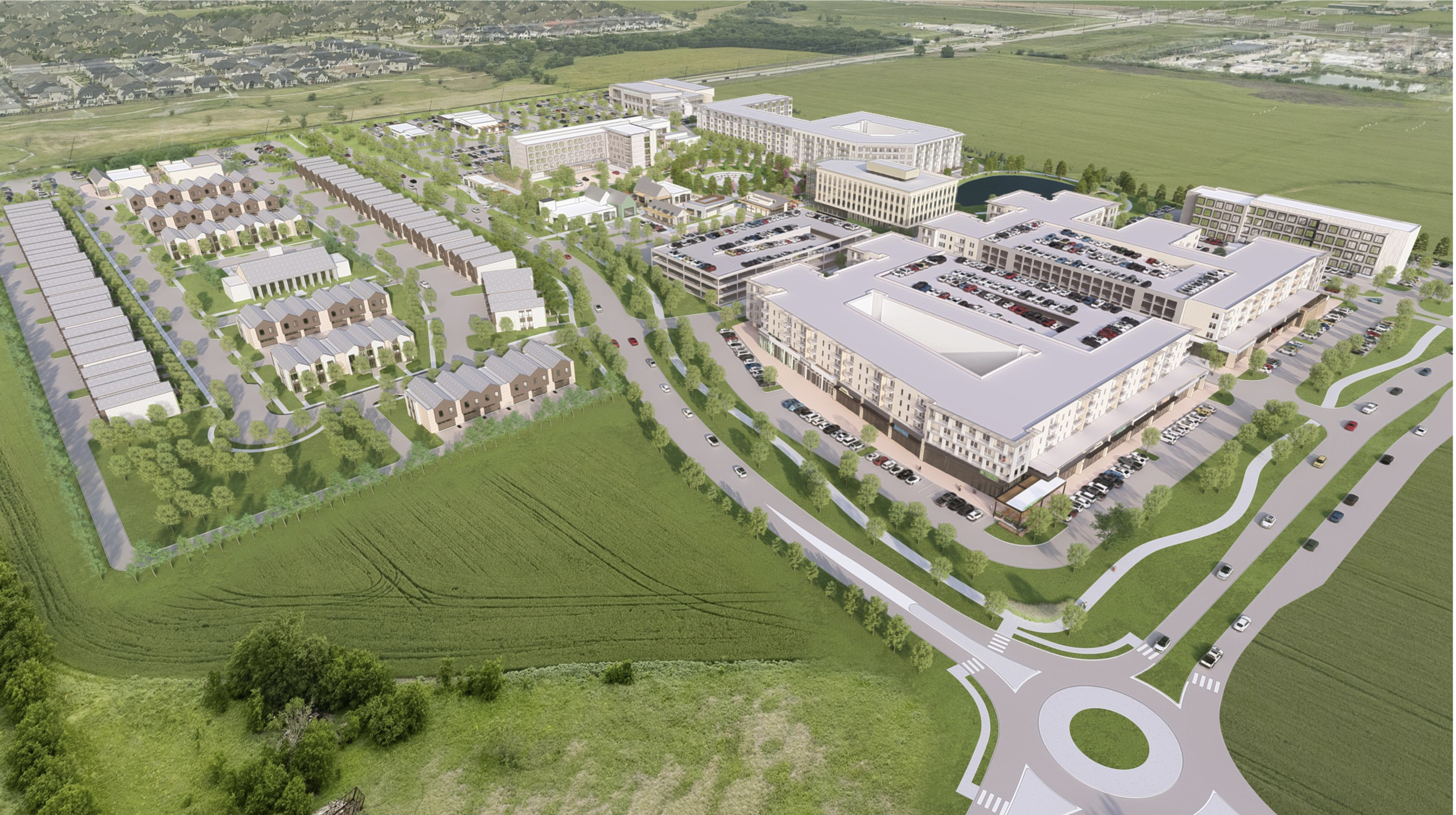
The defining number is 100,164 square feet, the listed size of the Life Time Fitness project.
That matters because projects at that scale do not just fill land. They change how nearby corridors function.
What the Development Reports Show
Prosper’s commercial list is not only about brand names. It tracks the mechanics that matter:
- building permit review stages
- site plan status
- expiration dates
- a mix of retail, restaurant, office, and hospitality uses
That combination suggests the commercial buildout is broadening rather than relying on one isolated category.
Why It Matters
Commercial growth can bring more convenience and a broader tax base. It can also add traffic complexity quickly.
Large-format commercial uses shift:
- peak traffic hours
- driveway pressure
- turning movements
- frontage-road volume
- signal timing needs
That is especially true when multiple projects move in parallel.
The Larger System
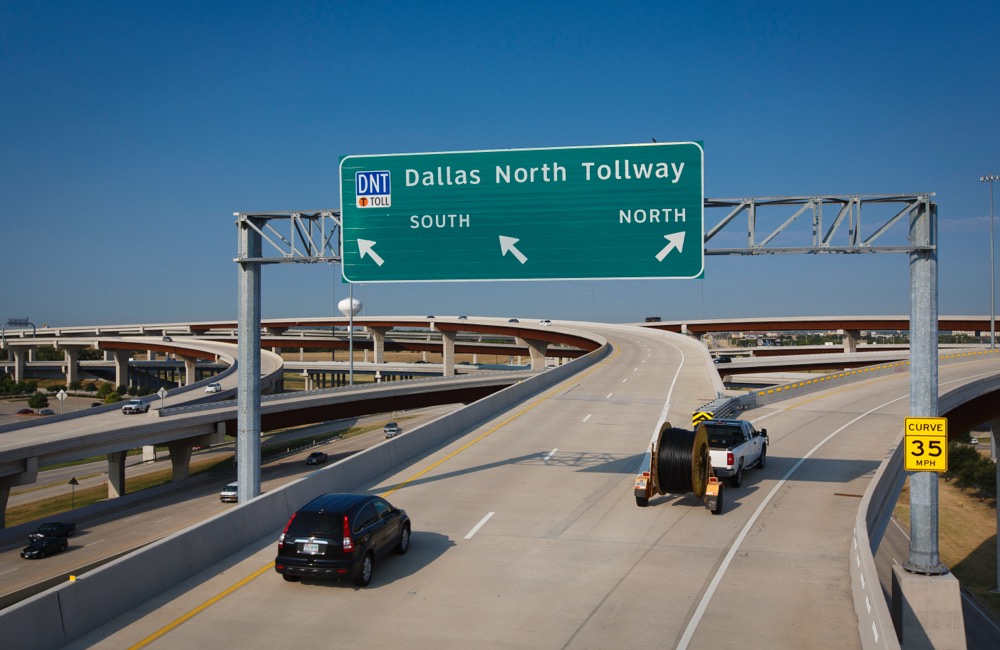
Prosper is using development standards, tollway-area planning, and financing tools to convert a more residential tax base into a mixed tax base.
That is why the town’s strategic direction matters here. Commercial recruitment is not only about amenities. It is also about long-term municipal stability.
Bottom Line
Prosper’s commercial wave is already underway.
For residents, the most important question is not simply what brand is opening. It is how the site connects to roads, how the use mix changes local traffic, and whether transportation capacity arrives fast enough to match the buildout.