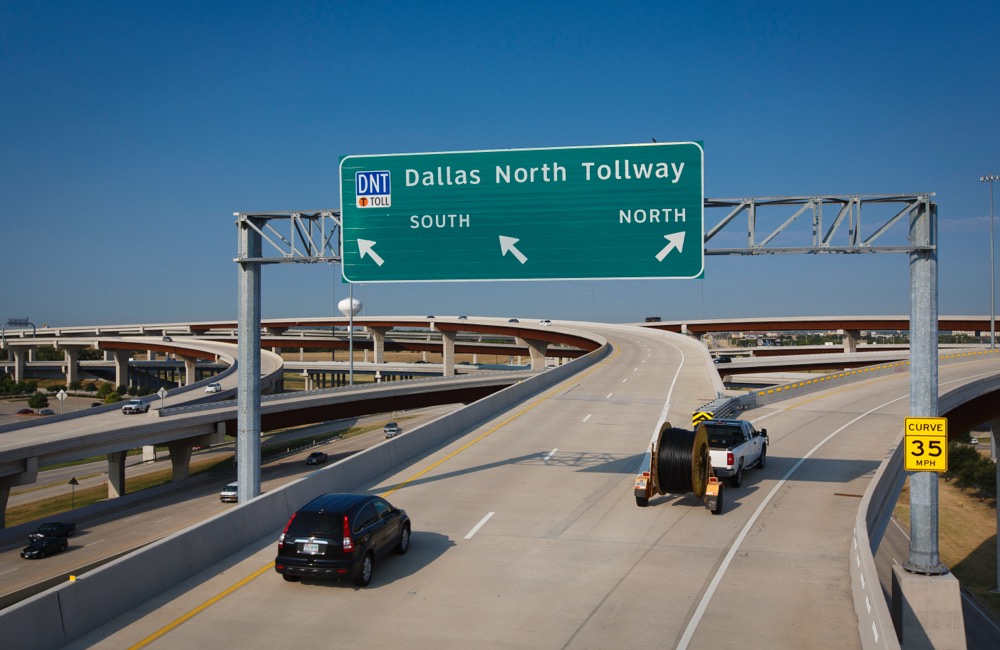
If you drive the Dallas Parkway corridor, you can already see the town’s challenge.
Development moves first. Infrastructure has to catch up while residents are already living with the traffic.
In late February, Prosper approved the project and finance plan for TIRZ Three, a tax increment reinvestment zone tied to the tollway corridor.
Quick Read
- The town’s published estimate for TIRZ Three-related improvements totals $193.1 million.
- Projected lifecycle TIRZ revenue is about $40.2 million under the plan’s assumptions.
- Transportation is the largest spending category in the project list.
- The base taxable value used in the model is $258,946,538.
The Defining Number
The defining number is $193.1 million, the town’s stated estimated project cost total connected to TIRZ Three.
That number shows how large the corridor buildout problem has become.
What the Plan Does
A TIRZ does not create money out of nowhere. It captures future taxable-value growth inside a defined area and directs that increment toward infrastructure and public facilities in that same zone.
Prosper’s project list includes major transportation spending and also public-facility planning, including a future recreation center line item.
Why It Matters
For residents, TIRZ financing affects:
- what gets built first
- where it gets built
- how quickly improvements can move from concept to funded project
- how much new value is reinvested locally rather than flowing immediately into general operations
That is why the tollway corridor strategy is not abstract finance. It is a schedule-setting tool.
The Larger System
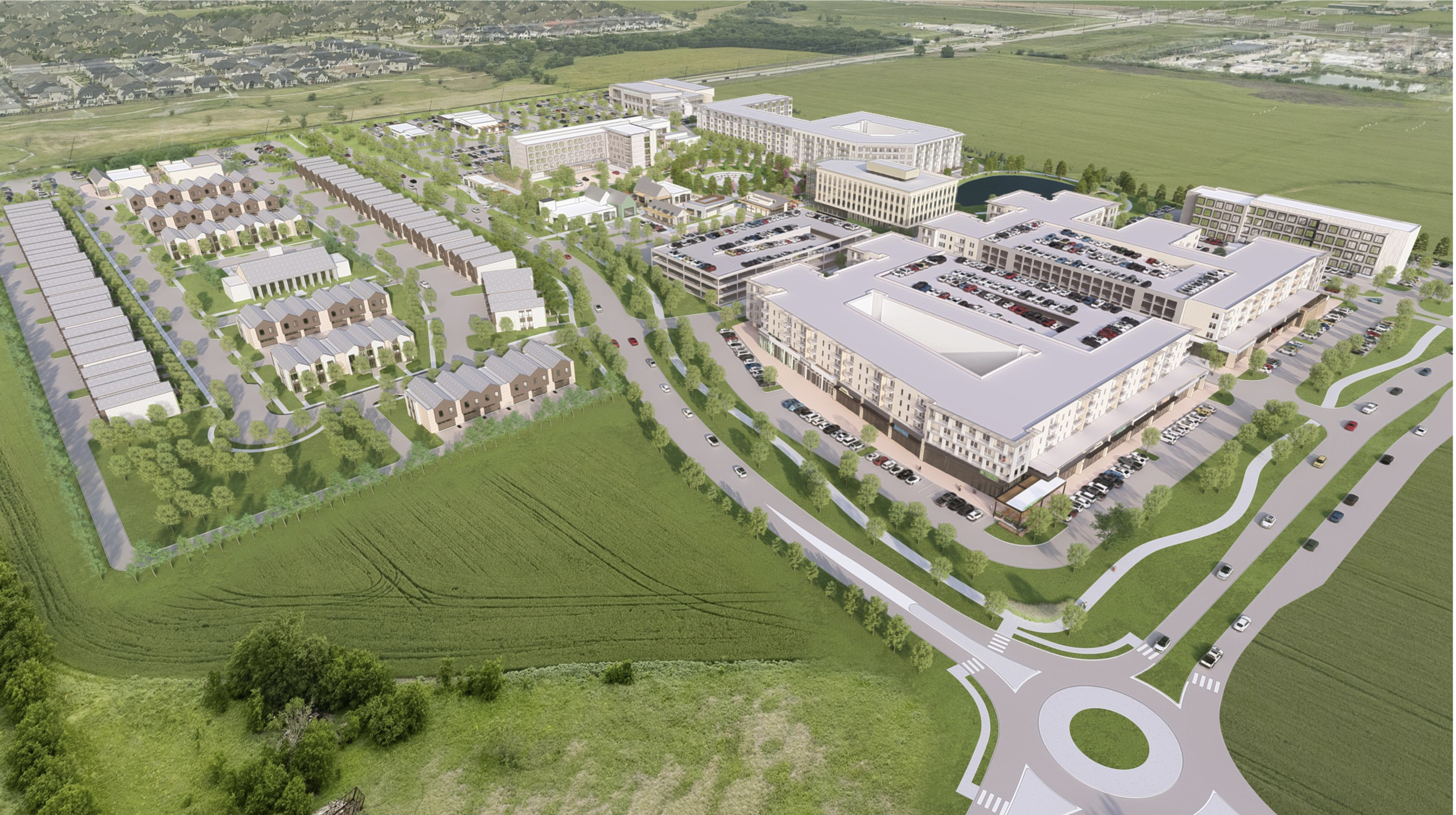
The timing matters. Prosper approved tollway-area development standards and the TIRZ project plan in the same decision cycle while major mixed-use and commercial projects remain active in the corridor.
That means the town is building one coordinated system:
- regulate the corridor
- finance the corridor
- then maintain the corridor as taxable value rises
Bottom Line
Prosper is using TIRZ Three to turn expected tollway-corridor growth into present infrastructure planning.
If the growth assumptions hold, the plan can accelerate critical improvements. If they do not, the list of promised projects may remain real while the delivery timeline stretches.