



If you run a business, a power outage is not an inconvenience.
It is spoiled inventory. Missed sales. Staff time. Refunds. Equipment risk. Lost trust from customers who drove across town and found a dark storefront.
That is why the recent frustration from Celina businesses matters.
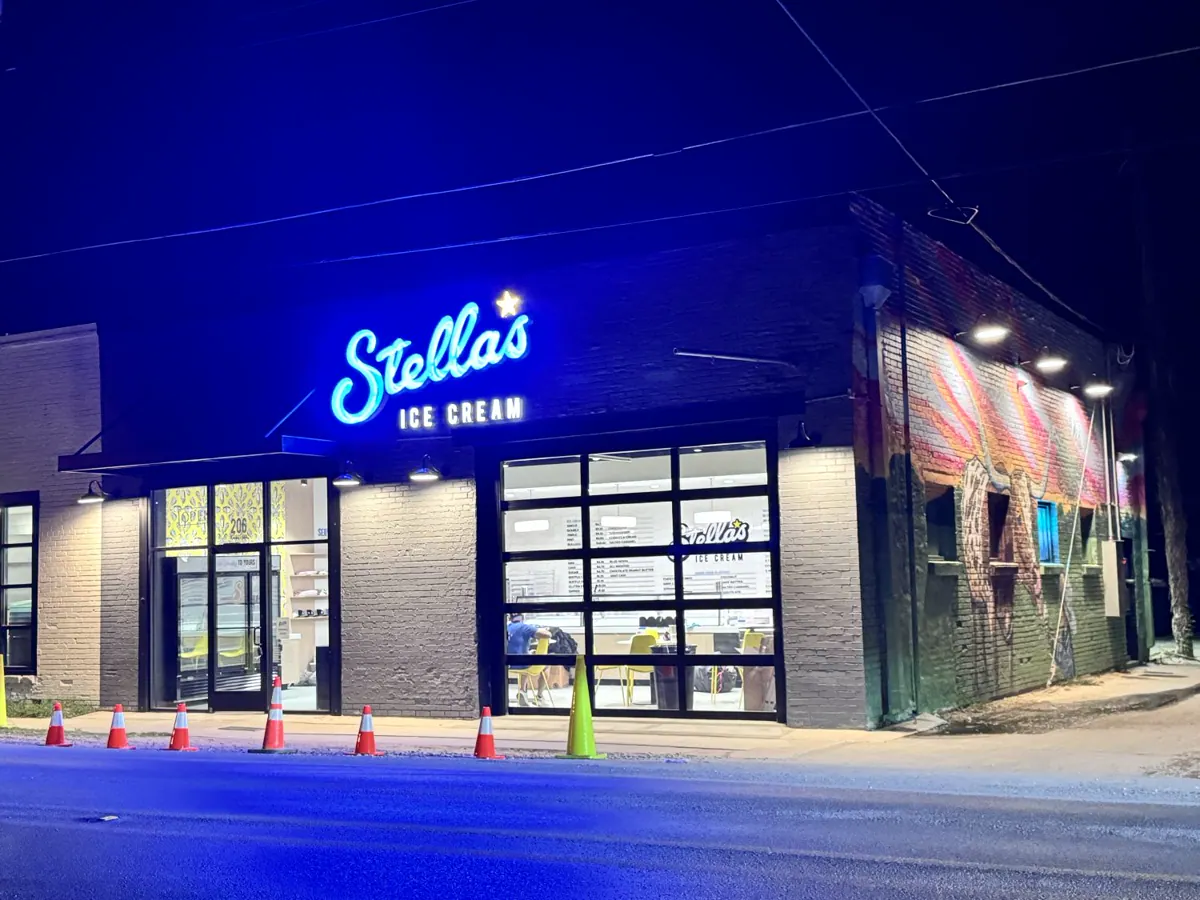
CBS Texas reported that repeated outages have cost at least one Celina ice cream shop thousands of dollars in spoiled inventory and raised concern among downtown businesses. The same concern has been circulating publicly on Reddit, where users discussed power outages disrupting North Texas businesses and described infrastructure upgrades in Celina as “much needed.”
The dominant pattern is simple.
Celina is adding homes, stores, roads, and public facilities. Some basic systems still feel fragile at street level.
Quick Read
- CBS Texas reported repeated power outages affecting Celina businesses, including spoiled inventory at an ice cream shop.
- Public discussion around the issue has focused on whether Celina’s utility systems are keeping pace with growth.
- Celina’s own five-year capital planning says the city is preparing for rapid population growth and major infrastructure demand.
- The issue is not only electrical service. It is reliability during a period of fast commercial growth.
- The practical issue is where outages happen, how long they last, and whether they affect work, food, medical devices, or business operations.
The Number That Matters
The number that defines this story is not an outage count.
It is the dollar loss.
When a small food business loses thousands of dollars in inventory, the outage stops being background noise. It becomes a local economic issue.
That is especially true in Celina, where downtown and corridor businesses are trying to serve a larger population while operating inside construction, traffic changes, and growing customer demand.
A one-hour outage can be absorbed.
Repeated outages create a pattern.
The Growth Context
Celina’s public documents show why this issue has pressure behind it.
The city says its population is projected to grow from 54,635 to 67,232 in fiscal year 2026. That is an increase of about 12,597 residents in one fiscal year. The same city planning page says Celina expects about 2,400 single-family home permits in FY 2026.
That kind of growth does not only require roads.
It requires electrical reliability, water capacity, sewer capacity, traffic control, public safety coverage, and commercial service capacity.
Residents usually notice those systems only when they fail.
Businesses notice them immediately.
What Residents Are Actually Seeing
The visible version of Celina growth is familiar.
New rooftops. New commercial centers. Walmart opening. Home Depot rising. Costco moving through site work. Restaurants and service businesses filling in along major corridors.
The less visible version is the system underneath all of it.
Can a business keep freezers running?
Can remote workers stay online?
Can medical equipment remain powered?
Can traffic signals, payment systems, security systems, and refrigeration operate without frequent interruption?
Those are not abstract questions for a city adding population and retail at the same time.
Why Reports Matter
Outages are often scattered.
Official utility data may show service events. Residents and businesses experience the pattern through lost time, spoiled inventory, interrupted work, dark traffic signals, and unclear explanations.
The issue becomes more serious when reports cluster by location, time, duration, or repeated impact on the same businesses.
That is how a frustration becomes a documented reliability problem.
What This Means
Celina’s growth story is usually told through development announcements.
This issue shows the other side.
A city can attract retail and still have basic reliability concerns. A business can support growth and still lose money when the power cuts out. A resident can want new amenities and still expect infrastructure to hold.
That tension is now part of Celina’s daily reality.
If outages remain isolated, the issue may pass as a short-term nuisance. If businesses and residents continue reporting repeated disruptions, Celina’s growth conversation will shift from what is coming next to whether the systems already in place are dependable enough for what has arrived.